
A modern room can be simple without feeling empty. Often, the most useful change is a piece of furniture that helps with more than one daily task. A small table may be a work spot and a place for meals. A low cabinet may hold supplies and give a lamp somewhere to sit. These multifunctional furniture ideas focus on complete corners built around useful furniture. They are starting points, not promises that every piece will fit every room. Measure your space, think about the tasks you need to do, and choose the setup that makes those tasks easier without crowding the room.
Start here: Choose a piece that does its main job comfortably, then give it a second use that is easy to switch to. Measure the full setup with doors open and chairs pulled out before adding more furniture.
1. A Drop-Leaf Table for Meals and Quiet Work
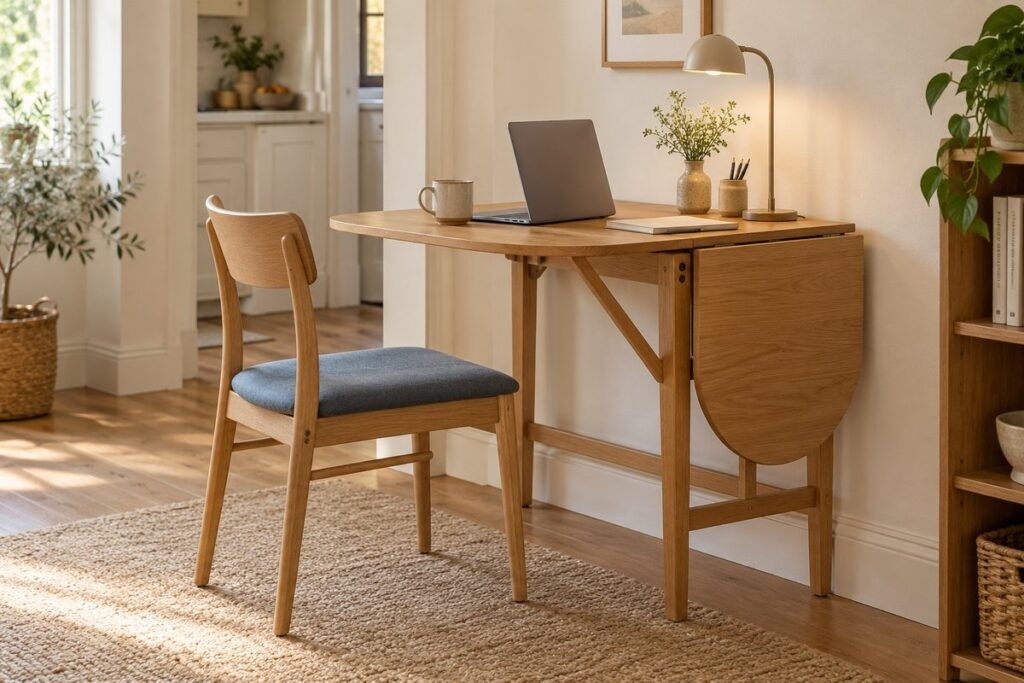
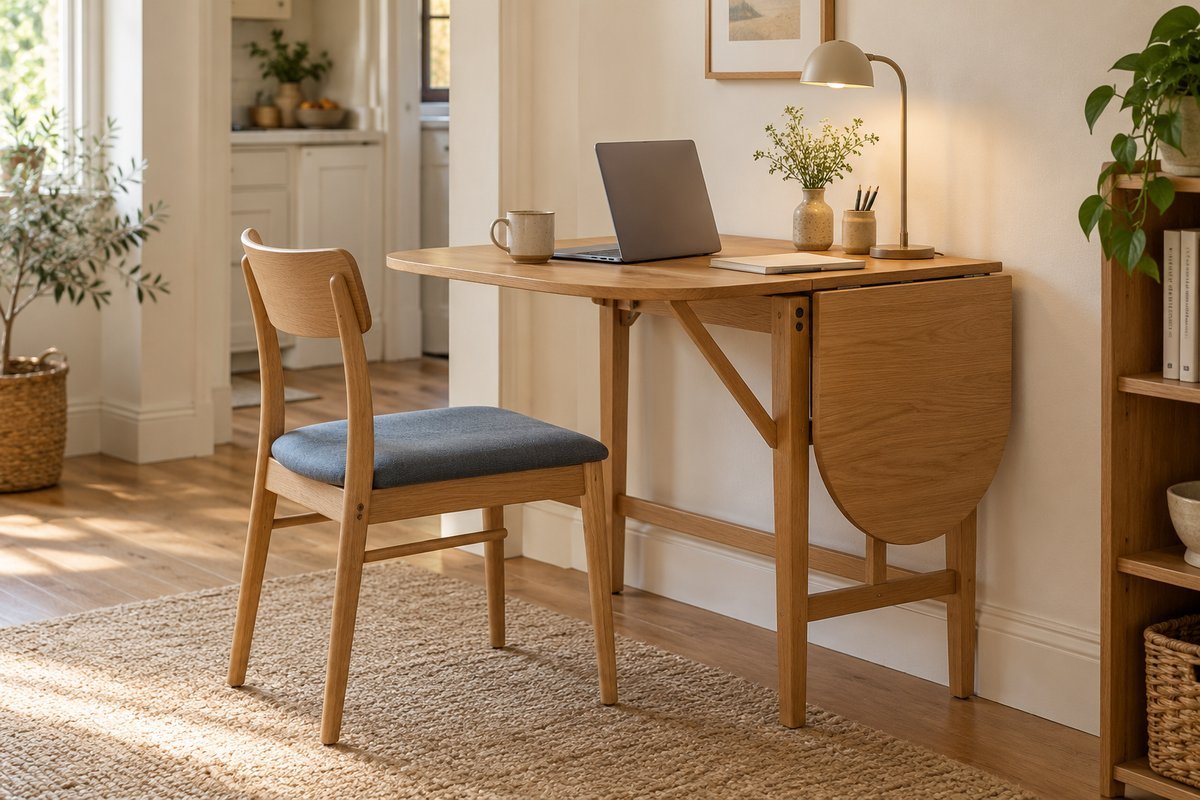
Picture a small drop-leaf table against a pale wall, with one leaf folded down. A simple chair and a narrow task lamp make it ready for a short work session. When the table is opened, the same spot can hold a small meal. Keep the colors quiet: light wood, cream, and one muted blue seat pad.
Check the table’s full footprint with leaves raised and chairs pulled out. Follow its instructions for supports and load limits. Store work items in a nearby closed box so they can move before a meal. If you use a laptop, arrange the work position for comfort rather than accepting an awkward corner only because the table folds. The second use should be easy to switch to, not require moving half the room.
2. A Storage Bench Beside a Bedroom Wardrobe
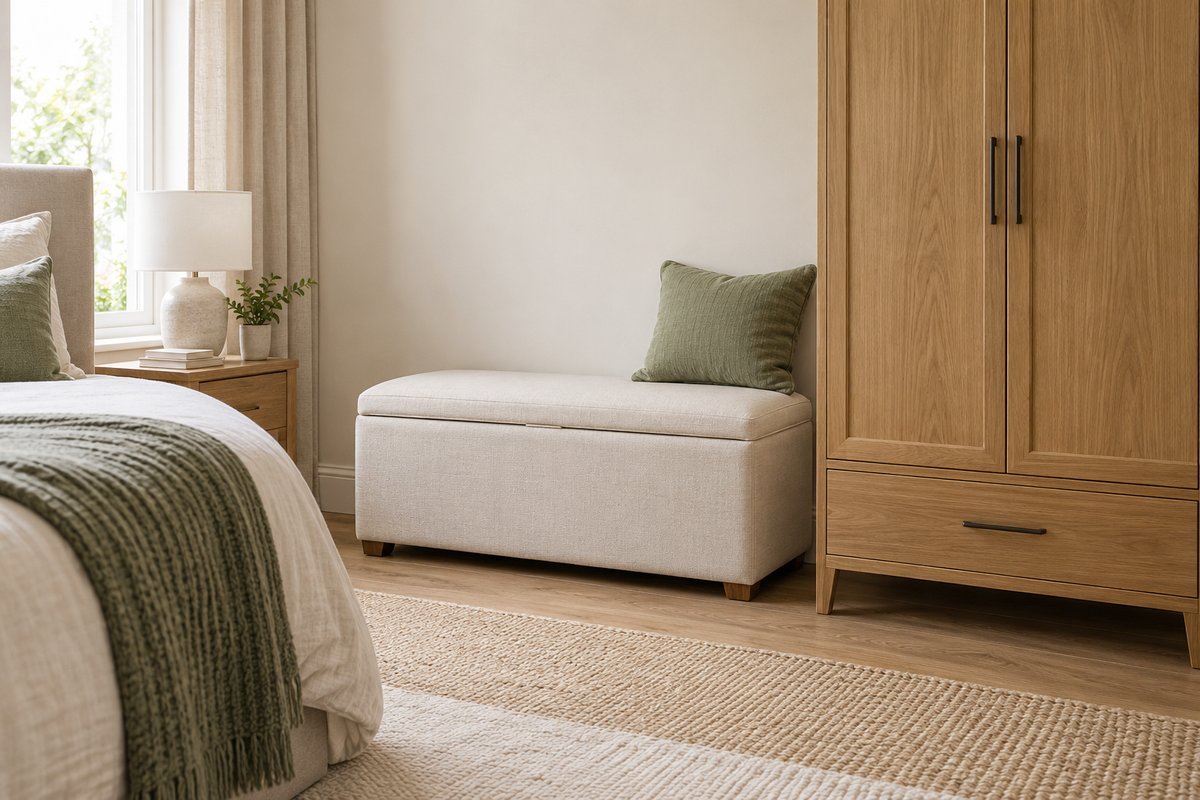
A plain storage bench can give a bedroom a place to sit and keep spare bedding. Imagine a cream bench beside a wood wardrobe, with one soft green cushion. The wall above remains simple. The furniture forms a clear dressing corner without needing a separate chair and storage chest.
Choose a bench designed for seating and follow its load and lid guidance. Make sure you can open both the bench and wardrobe without blocking the room’s route. Keep contents light enough to handle comfortably. If bedding is used often, check that reaching it will not mean lifting a heavy cushion arrangement each time. A useful bench works best with a simple seat, rather than a pile of decorative pillows that must always be moved.
3. A Small Cabinet Serving as a Bedside Table
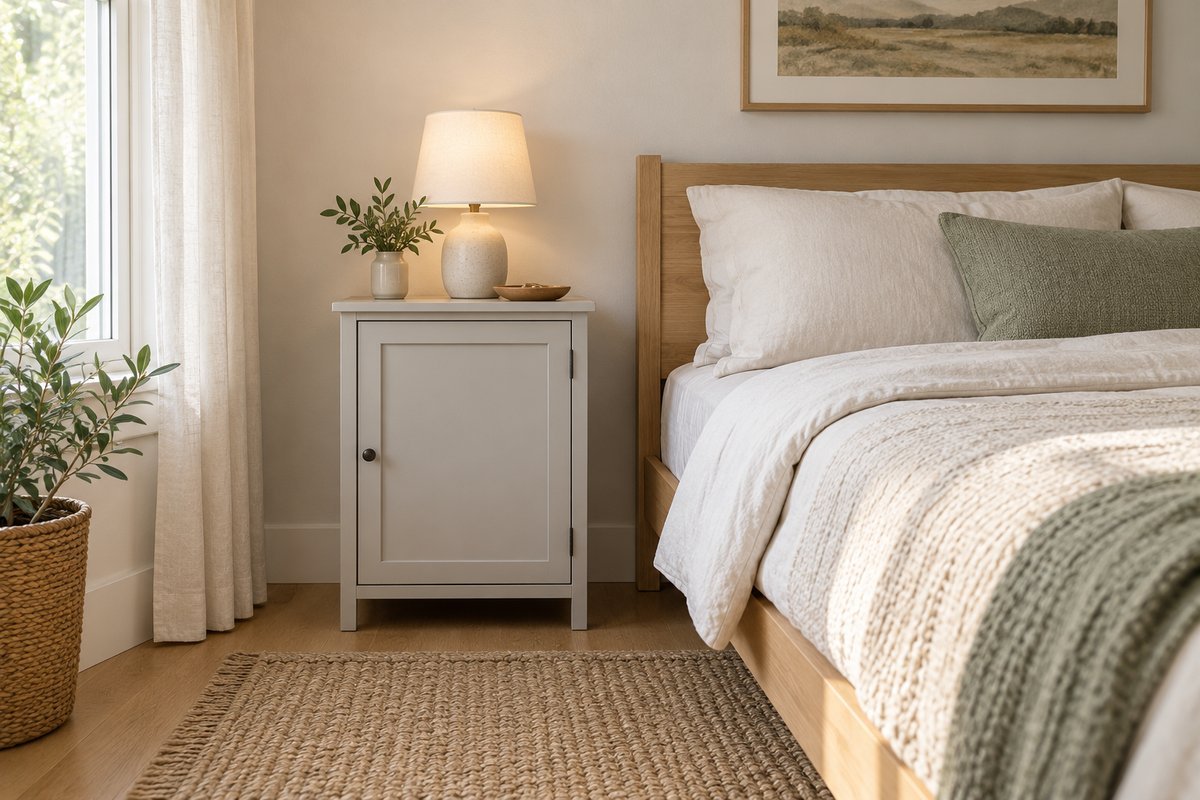
A compact closed cabinet can provide more storage than a tiny open table. Picture a pale gray cabinet beside a plain bed, with a lamp and small dish on top. Inside, one shelf holds books and a second holds spare chargers in a box. The closed front keeps the room’s view quiet.
Check the cabinet height against the mattress so the top is within easy reach. Allow its door to open fully without hitting the bed. Follow stability and anchoring guidance where relevant. Keep the top limited to things used at night. If the cabinet is too deep, a narrower bedside table may be more suitable even if it stores less. The extra function only helps when the furniture remains comfortable to use.
4. A Console Table With a Tucked-In Stool for Occasional Tasks
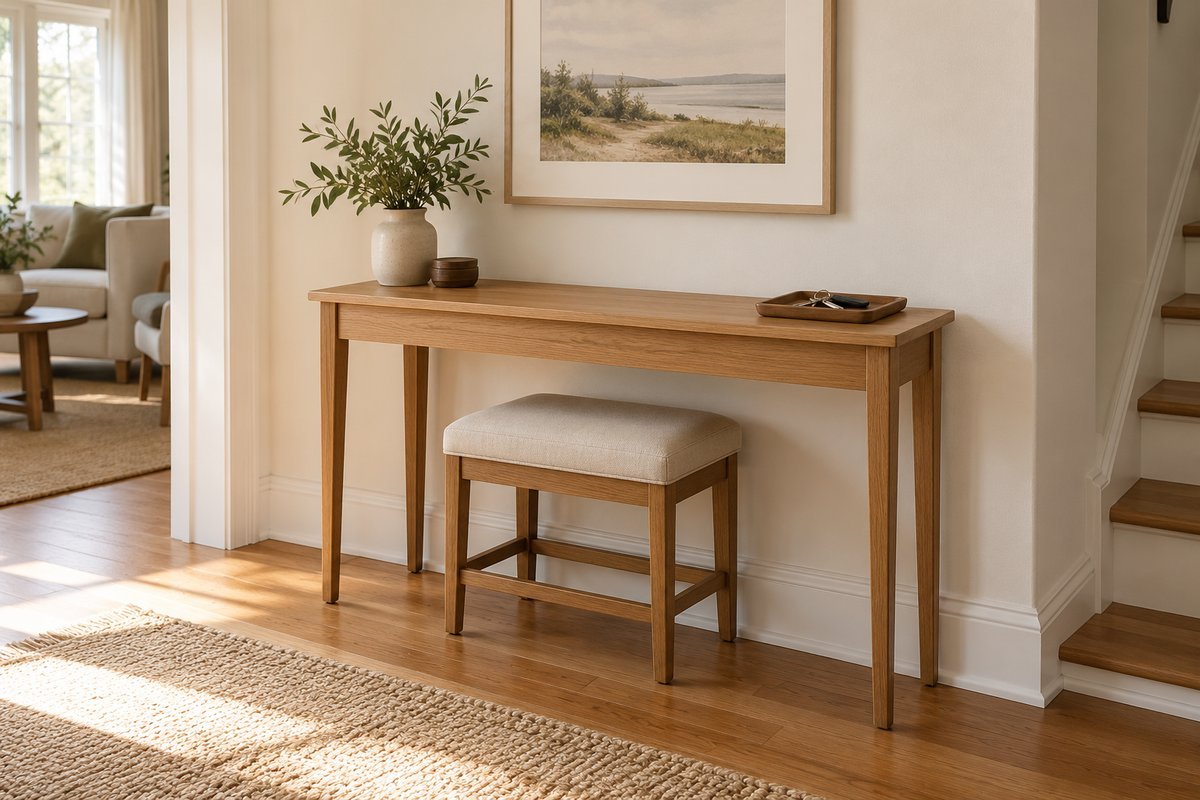
Picture a slim wooden console on a dry side wall, with a small stool tucked beneath it. A plain tray holds keys at one end, leaving the center clear for writing a quick note or sorting mail. A simple wall print gives the corner a finished look without taking up the tabletop.
Test the legroom and seat height before treating a console as a work surface. Many are too shallow or too high for comfortable longer tasks. Use it for brief activities only if it fits your needs. Keep the stool out of the walkway and follow the console’s anchoring guidance. If papers begin to pile up, give them a separate storage spot. A second use should not stop the console from doing its first job.
5. A Low Bookcase With a Useful Serving Top
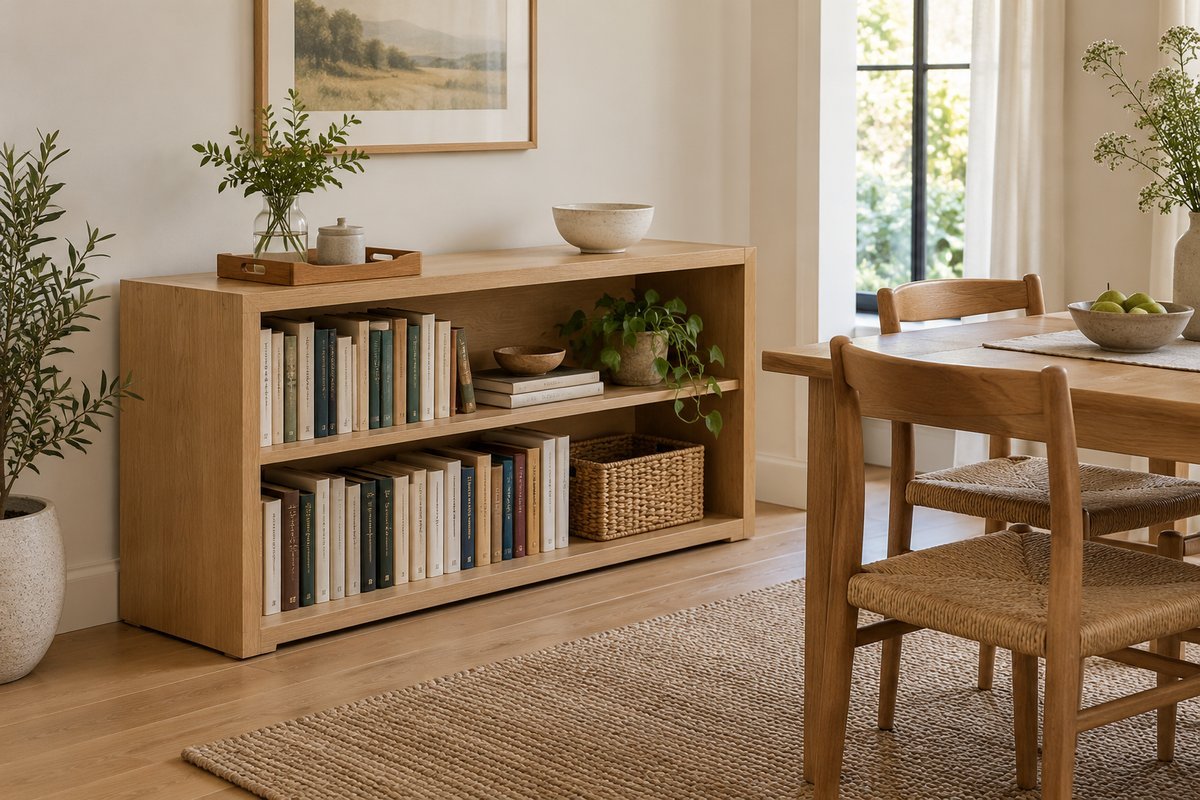
A low closed-sided bookcase can sit near a dining area and hold books below. Picture a light wood unit with a plain top, a small tray, and one ceramic bowl. During a meal, the tray can move and the top can hold appropriate serving items. The scene keeps the display modest so the furniture remains flexible.
Follow load limits and protect the surface from heat and moisture. Keep food-serving items suited to that purpose rather than placing them directly on a decorative finish. Anchor the unit as directed, and leave space for reaching the books. If the top is not a comfortable serving height or the material is unsuitable, keep it as a display surface. A potential second job still needs to fit the actual piece.
6. A Stable Ottoman With a Removable Tray
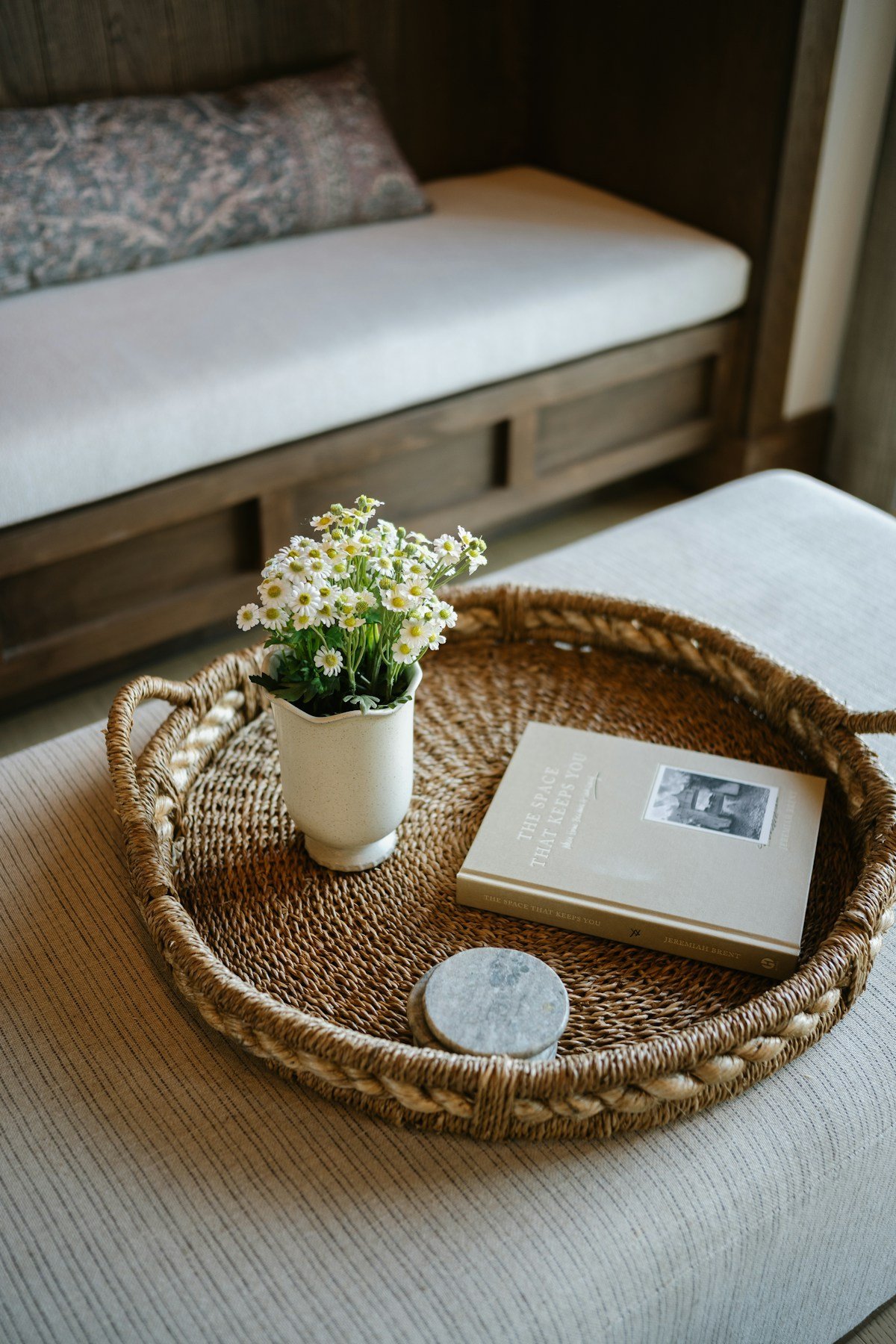
An ottoman can provide a footrest and, with a suitable tray, a place for light everyday items. Picture a pale upholstered ottoman with a broad removable tray holding a book and coaster. A woven tray adds texture without needing another table. Keep it easy to lift away so the soft surface can be used again.
Choose an ottoman and tray that work safely together. Avoid balancing hot drinks on a soft, uneven surface. Follow the furniture’s instructions if it is used as seating. Keep the tray’s contents small enough to move comfortably. If the surface is too soft or unstable, use a proper side table for drinks and let the ottoman remain a footrest. It is fine for one piece to do only the job it does well.
7. A Dining Bench With Baskets for Table Linens
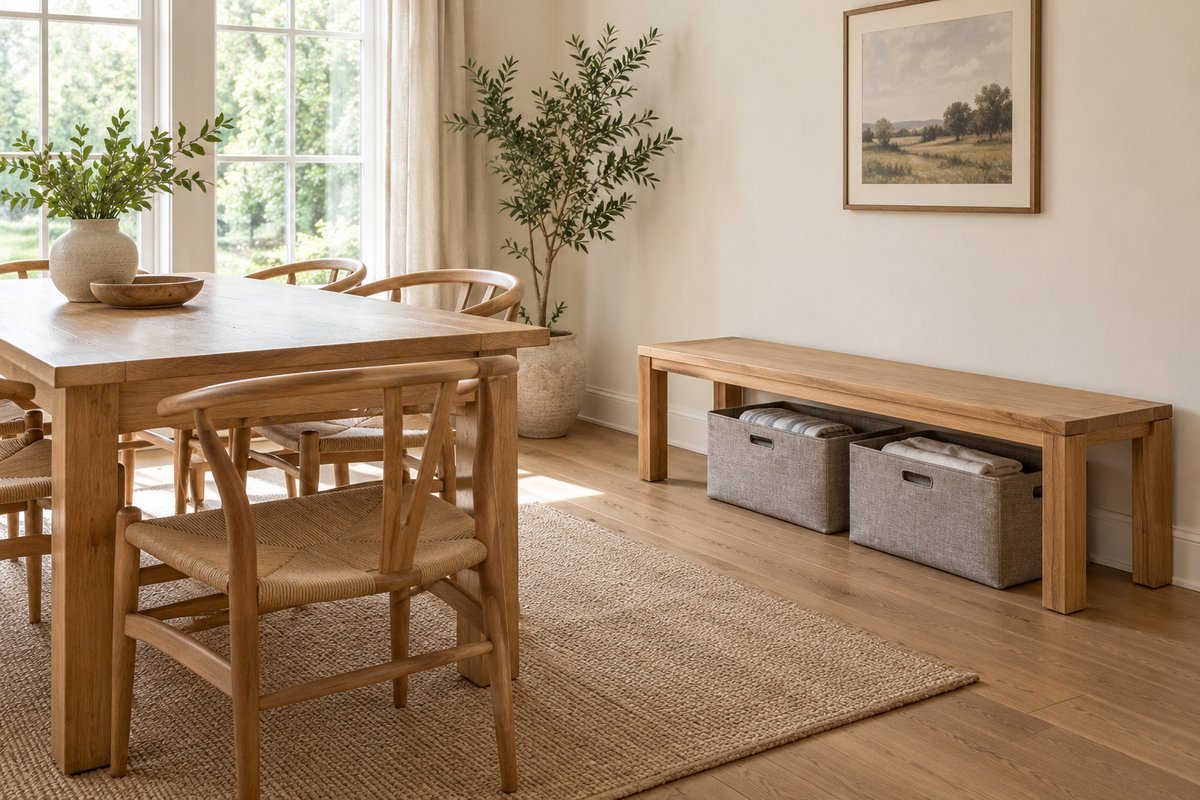
A simple dining bench can keep its seat clear while light baskets beneath hold napkins and tablecloths. Picture a natural wood bench against a cream wall, with two plain gray baskets below. A small print above completes the corner. The storage stays close to where it is used, without adding a tall cupboard.
Choose baskets that fit fully beneath the bench and pull out easily. Keep them from extending into foot space. Use a bench made for seating and check that the table height works with it. Store linens clean and dry. If the bench frame leaves too little room underneath, do not force the baskets in. A drawer elsewhere may serve better. The scene should make mealtimes easier rather than create a new place to catch feet.
8. A Small Desk With Closed Hobby Storage Beside It
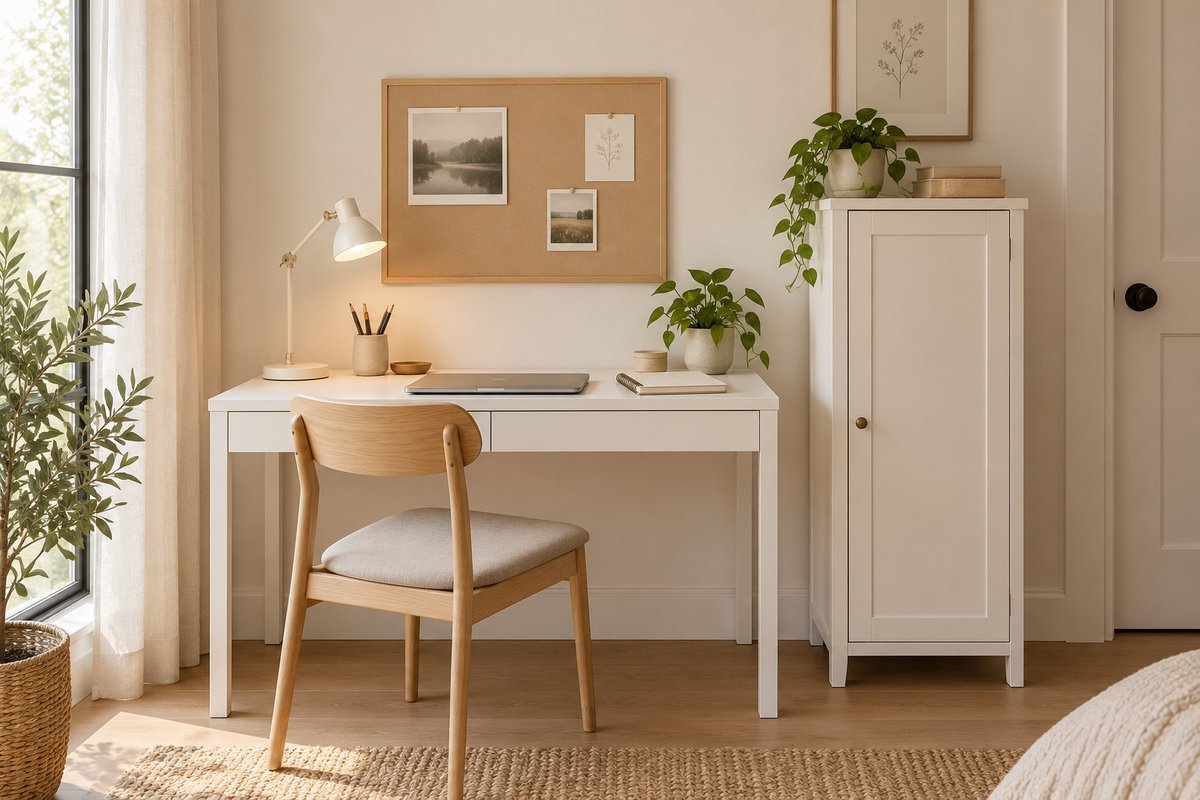
A compact desk can handle computer work and a modest hobby when supplies have a clear home. Imagine a white desk with a simple chair, beside a narrow closed cabinet. The cabinet holds drawing tools in one box and work papers in another. A small lamp and one pinboard are enough above the desk.
Measure the work surface for the larger of the two tasks. A desk that fits a laptop may not have room for a cutting mat or sewing project. Store sharp tools safely and keep the main surface clear when changing tasks. Choose useful lighting and manage cables out of the way. If both activities are used daily, a larger work surface may be more practical than repeatedly packing everything into a tiny setup.
9. A Wall Shelf That Holds Books and a Reading Light
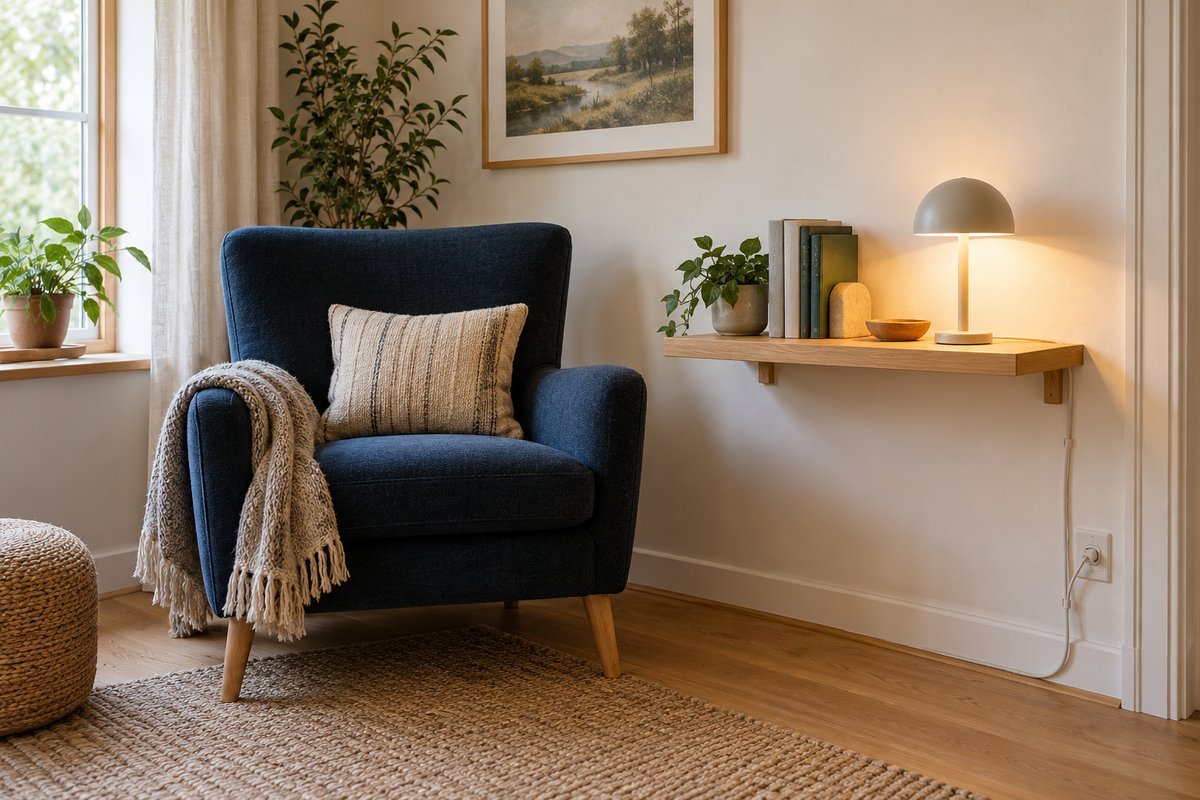
A suitable wall shelf beside a chair can replace a separate bookcase and lamp table in a small corner. Picture a plain oak shelf with a few books and a compact lamp, beside a dark blue chair. Leave enough empty shelf space to make each item easy to reach. The floor stays clear around the seat.
Check the shelf’s load capacity and fit it properly for the wall type. A lamp needs a stable base and safe cable route, with the clearances its maker requires. Keep the light useful for reading rather than only for display. If the shelf is too high to reach comfortably, use it for books and put the lamp elsewhere. Combining functions should improve access, not make you stretch for everyday items.
10. A Hall Cabinet With a Clear Top for Leaving-Home Essentials
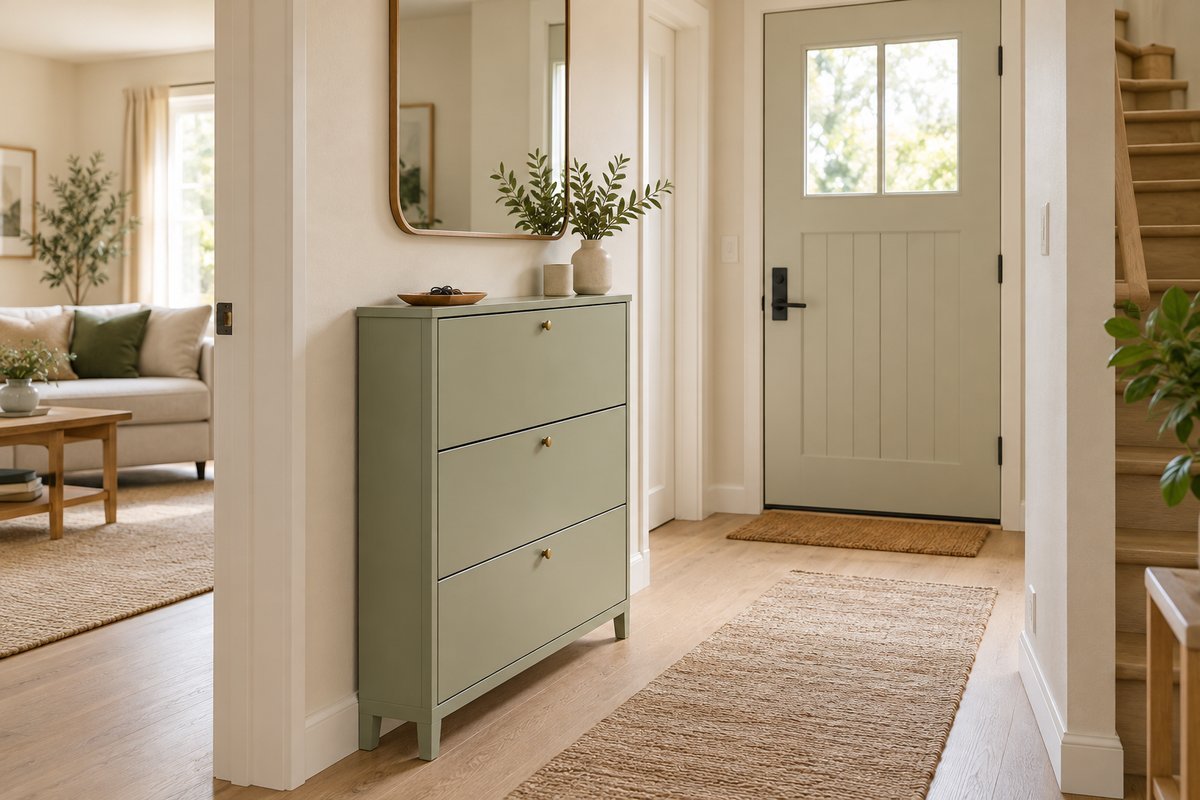
A slim hall cabinet can hold a few everyday shoes while its top gathers what you need before leaving. Picture a pale green cabinet, a small key dish, and a plain wall mirror above. Keep the top limited to current essentials. Closed storage below keeps the scene calmer than a line of loose shoes.
Choose a cabinet that fits the shoes and allows its doors or flaps to open. Secure it as directed and keep the route through the hall comfortable. Mount the mirror appropriately and check door swings. Sort the top regularly so it does not become permanent storage for mail and spare bags. If there is no room for a cabinet, keep shoes elsewhere and use a small suitable shelf for keys. The hallway’s first job is still movement.
Choose the Task Before the Furniture
List what the corner needs to do during an ordinary day. Decide which task happens most often, then make sure the furniture does that job comfortably. A second use is helpful only if switching between tasks is straightforward. Measure with doors open, chairs pulled out, and any moving parts fully extended.
Use existing pieces to test the idea where possible. Notice whether supplies return to their storage and whether you keep avoiding the second use because it is awkward. Adjust the plan rather than adding more containers. Modern decor can look simple because it has been thought through, not because everything is hidden. A clear surface and a useful piece of furniture can be enough to make a small corner feel finished.
Common Questions
What is multifunctional furniture?
It is furniture that supports more than one use, such as a storage bench that provides seating and holds bedding. Both uses should suit the actual piece and remain easy to access.
How do I choose multifunctional furniture for a small room?
Start with the task you do most often. Measure the furniture, the space needed to use it, and any moving parts. A compact piece is useful only if doors, seats, and walkways still work comfortably.
Can I use furniture I already own for two purposes?
Yes. Try a removable tray on a suitable ottoman or use a small cabinet beside a bed. Check stability, height, materials, and load guidance first. Keep the original purpose easy to return to.
More Ideas for Your Home
small bedroom ideas · hallway decor ideas · budget living room details