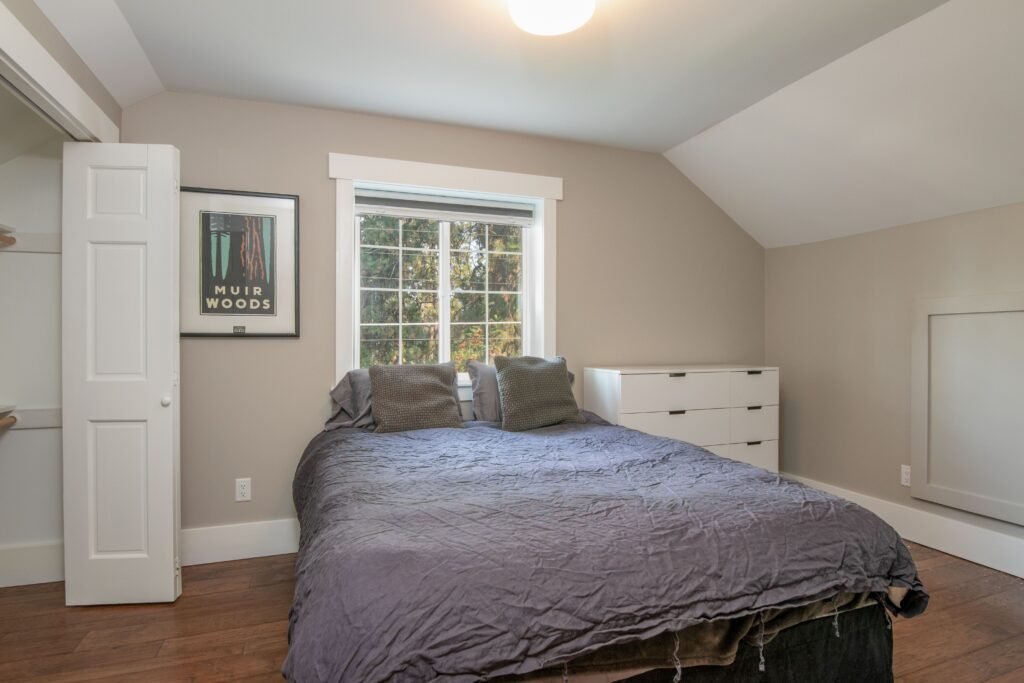
A small bedroom can be restful and practical at the same time. The secret is to protect floor space, use storage that suits your routine, and avoid adding furniture just because a room photo looks beautiful.
Before changing the layout, measure the room, windows, door swing, and any outlets or radiators. Even a few inches can determine whether a bedside drawer opens comfortably.
Ideas to try in your home
1. Start with the bed’s best position
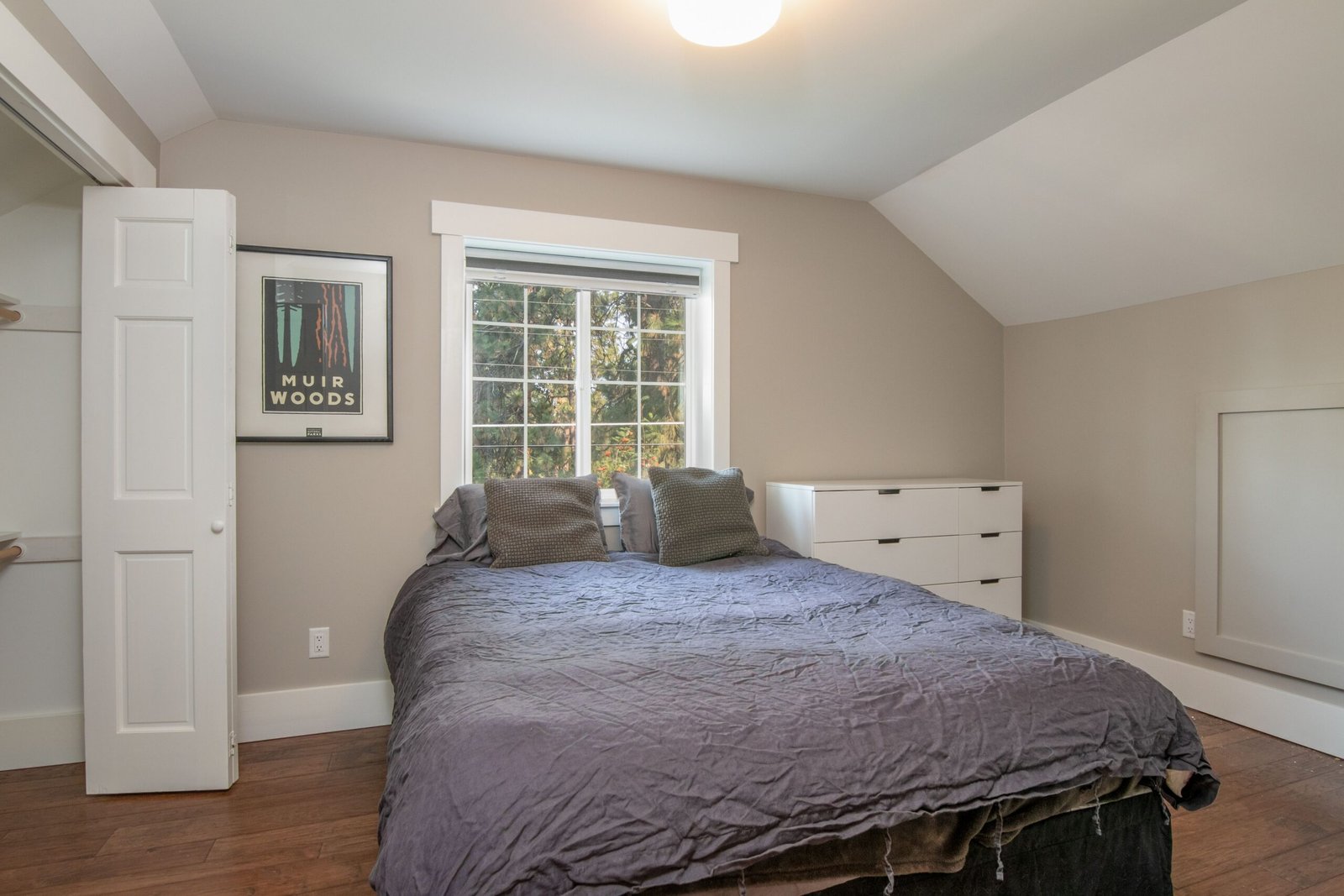
Place the bed where you can get in and out comfortably and where doors and drawers can fully open. Symmetry is lovely, but practical circulation matters more in a tight room.
2. Try a slim bedside shelf
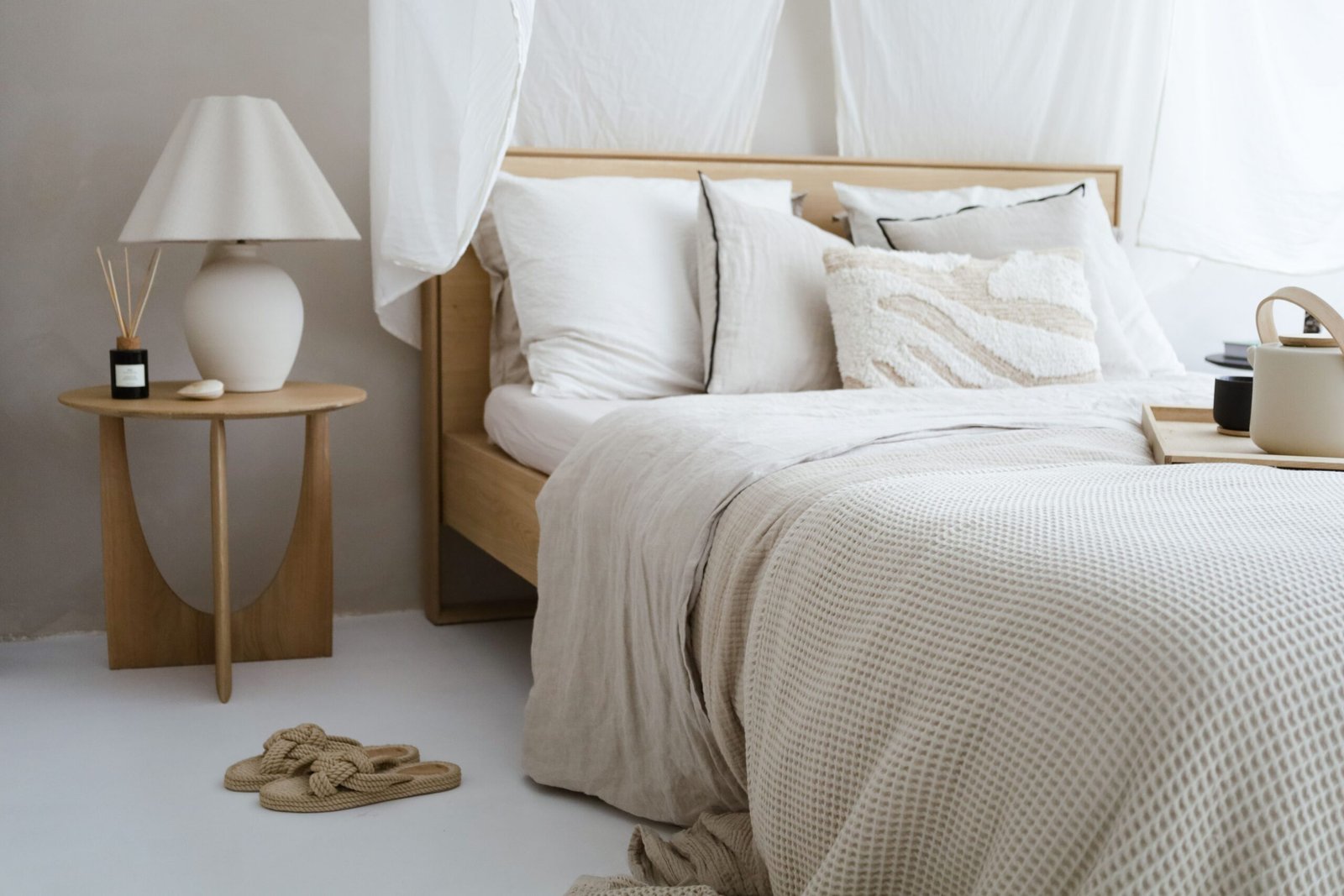
When a nightstand makes the walkway narrow, a small wall shelf can hold a phone and book. Mount it securely into appropriate supports, following the manufacturer’s guidance.
3. Use wall-mounted lighting
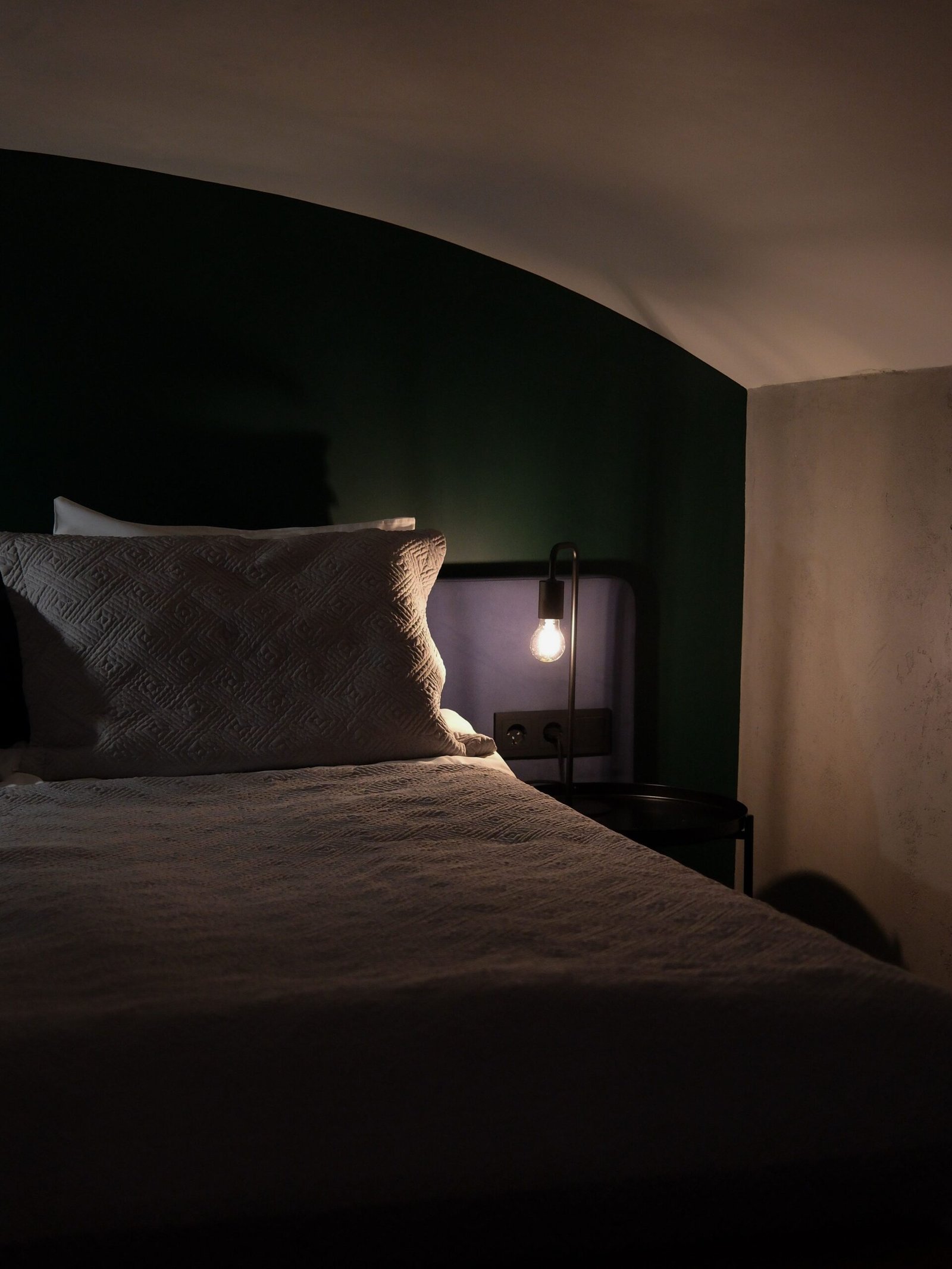
A wall sconce or plug-in wall light can free bedside surface space. Route cords safely so they do not trail across walking paths or sit under bedding.
4. Choose furniture with visible legs
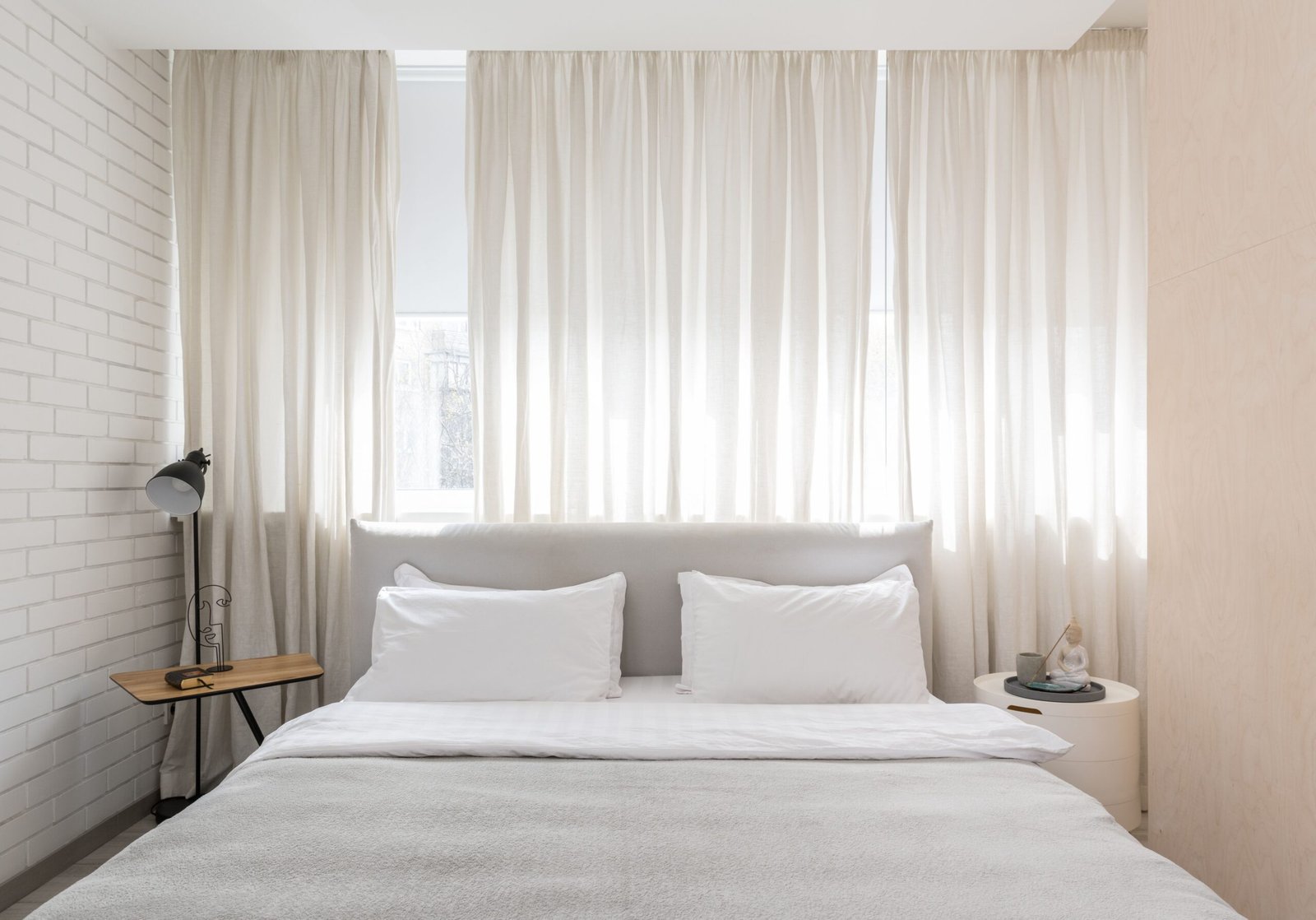
A bedframe or dresser raised slightly from the floor can make the room feel less visually heavy. This is an appearance trick, not a reason to compromise on stable furniture.
5. Keep your palette simple
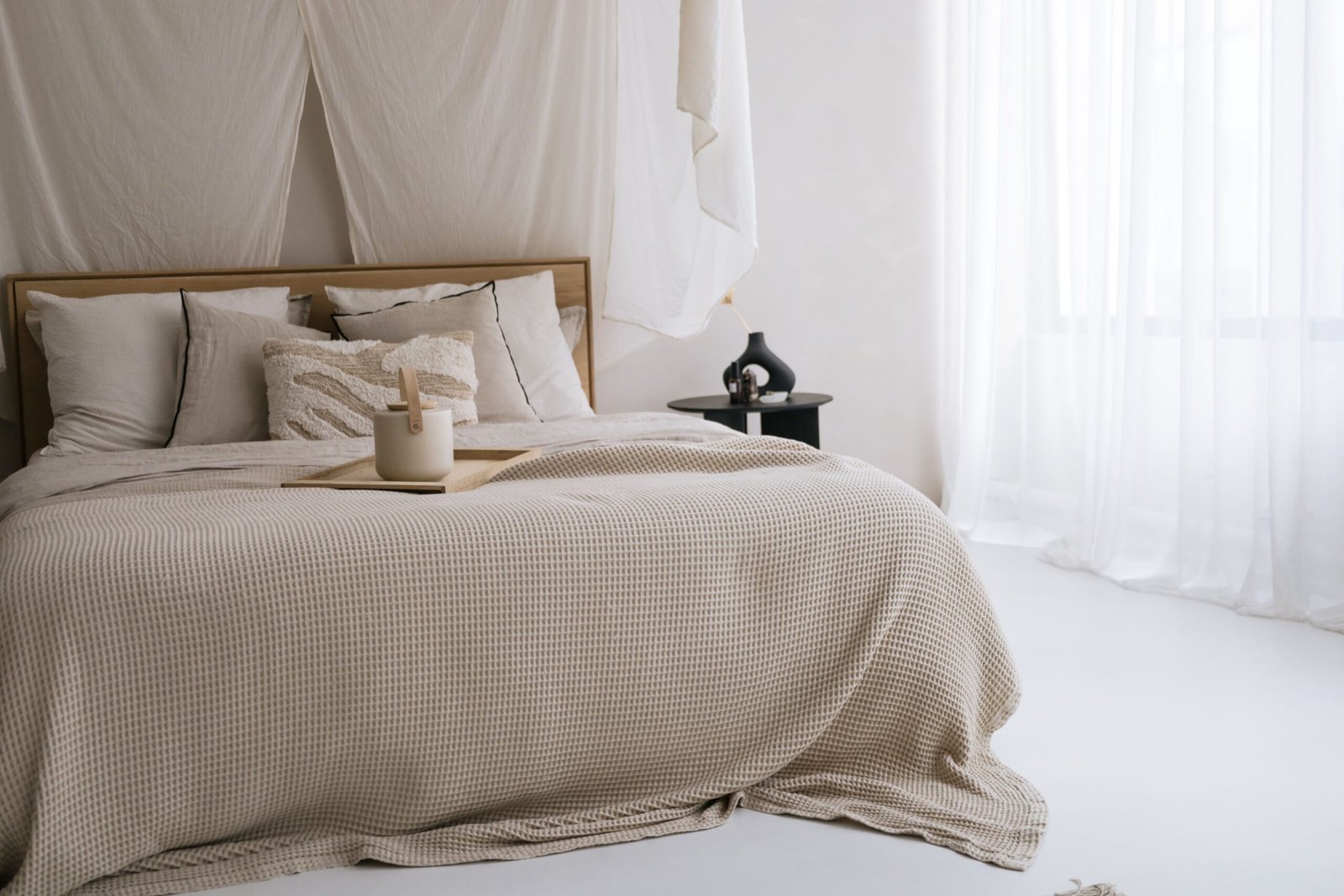
Use one main wall color and repeat two or three related tones in bedding and accents. You can still use contrast; the goal is a cohesive room, not an all-white room.
6. Hang curtains to frame the window
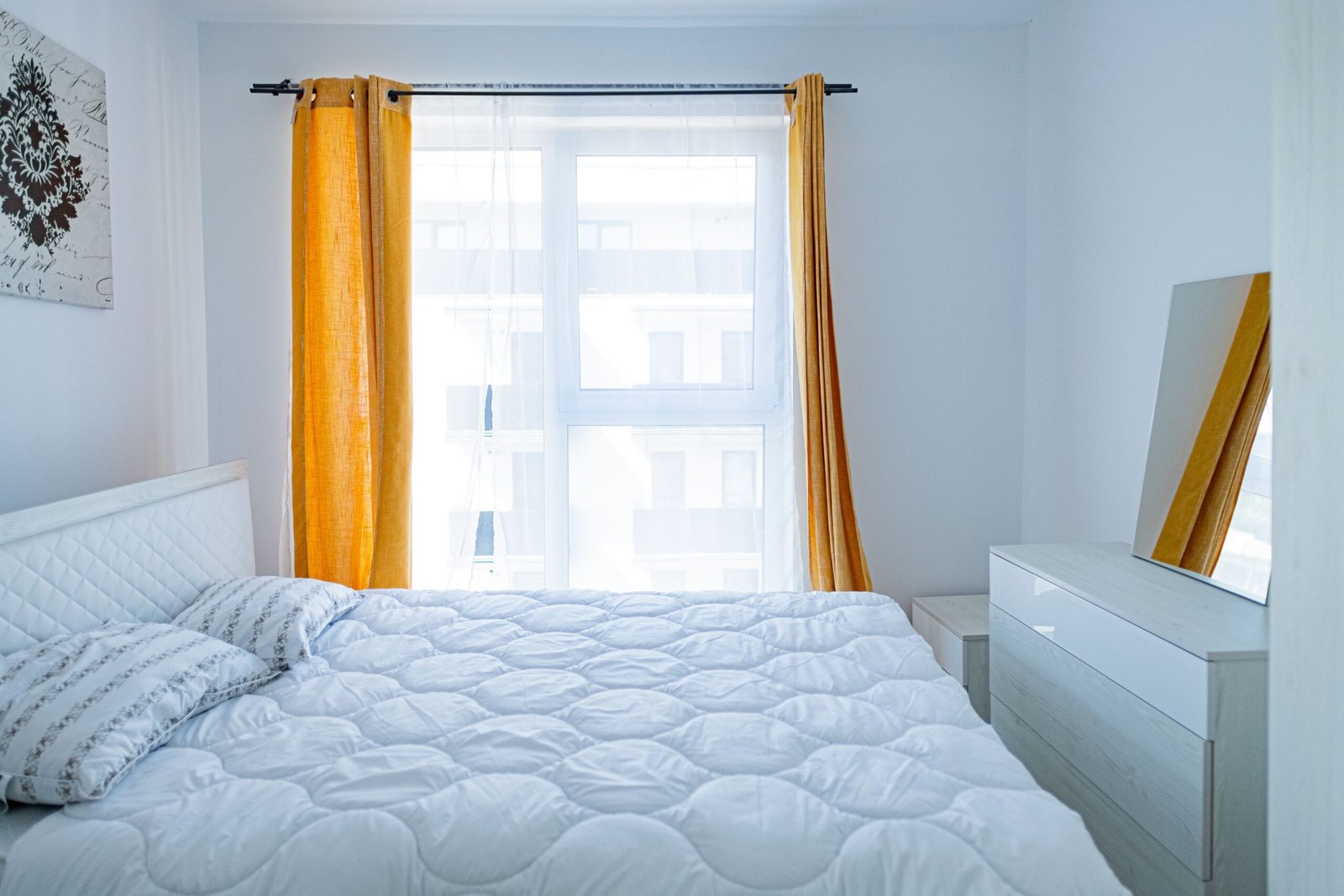
Light-filtering curtains can soften the space without covering much of the wall. Measure carefully and select blackout lining if sleep or privacy is the real priority.
7. Consider storage under the bed
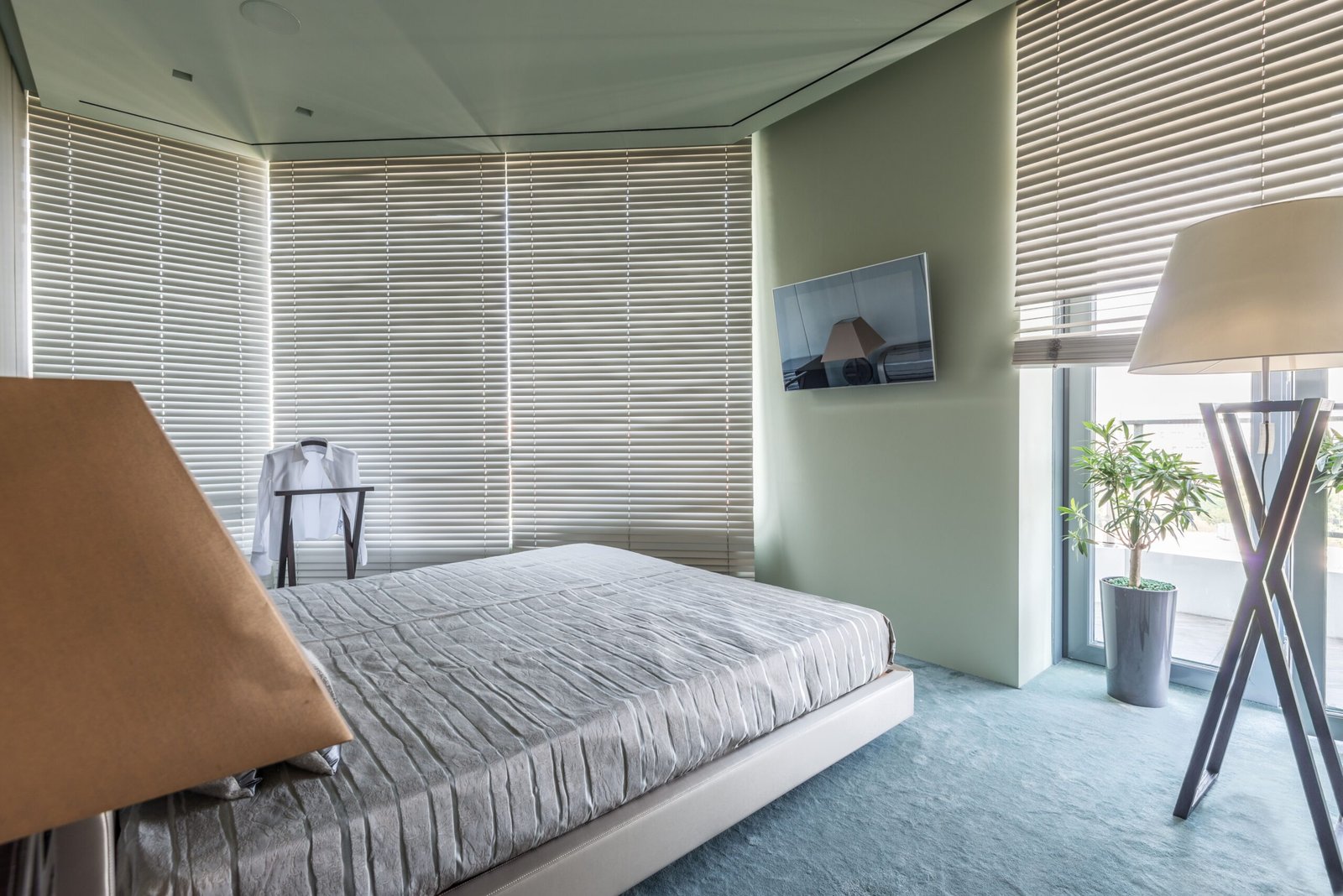
Under-bed drawers or low bins can hold off-season textiles. Check clearance and make sure stored items stay dry and accessible; leave ventilation where your bedframe requires it.
8. Edit the top of your dresser
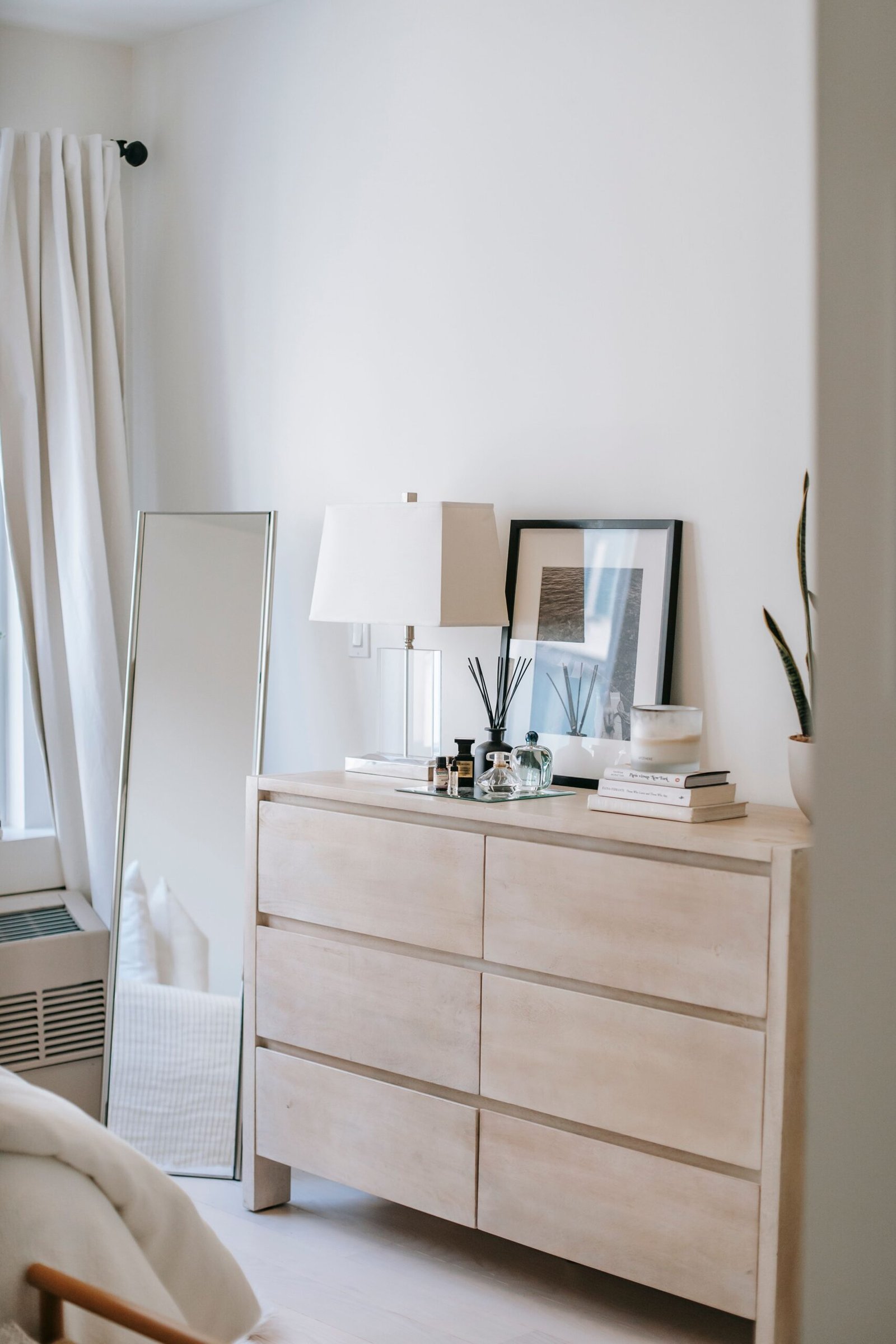
Keep a tray for daily essentials and put the rest behind a drawer or in another assigned space. A mostly clear surface can visually calm even a compact room.
9. Use a mirror to reflect available light
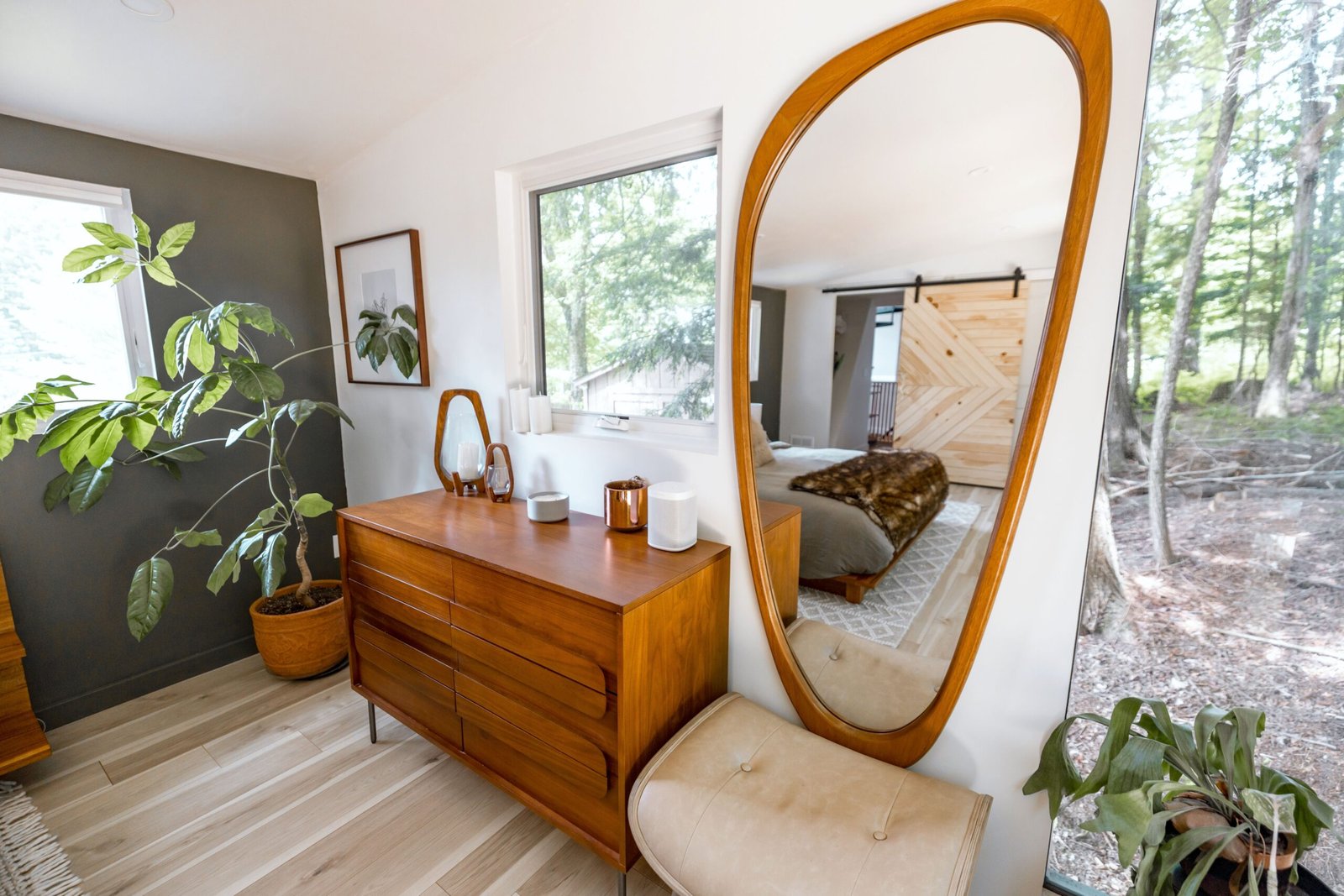
Place a mirror where it reflects a bright wall or window rather than clutter. Mount large mirrors securely to reduce tipping risk.
10. Choose a narrow or tall dresser
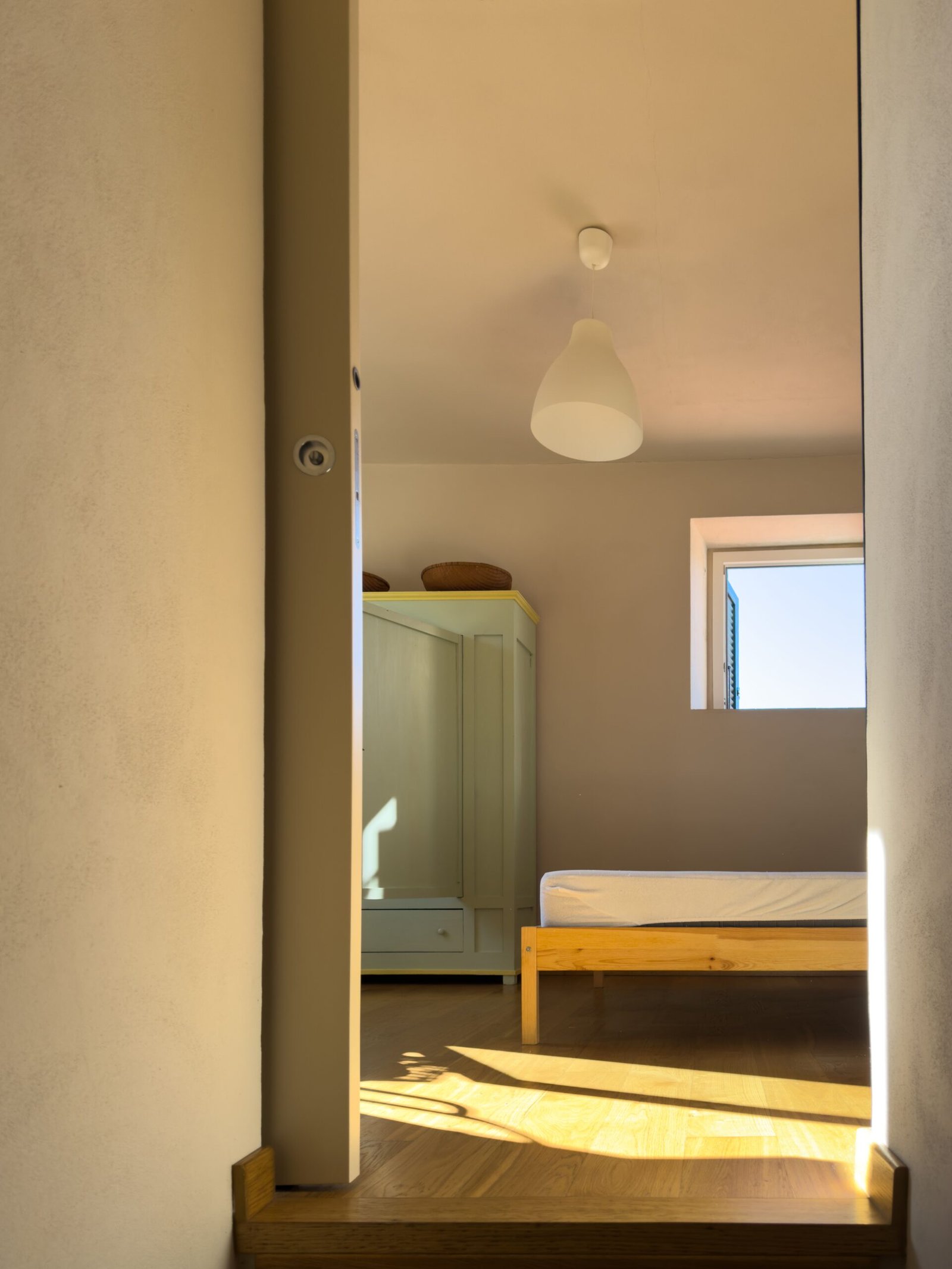
A tall storage piece can preserve floor space when a wide dresser will not fit, but secure tall furniture against tipping and ensure drawers can open fully.
11. Limit decorative pillows to what you can store
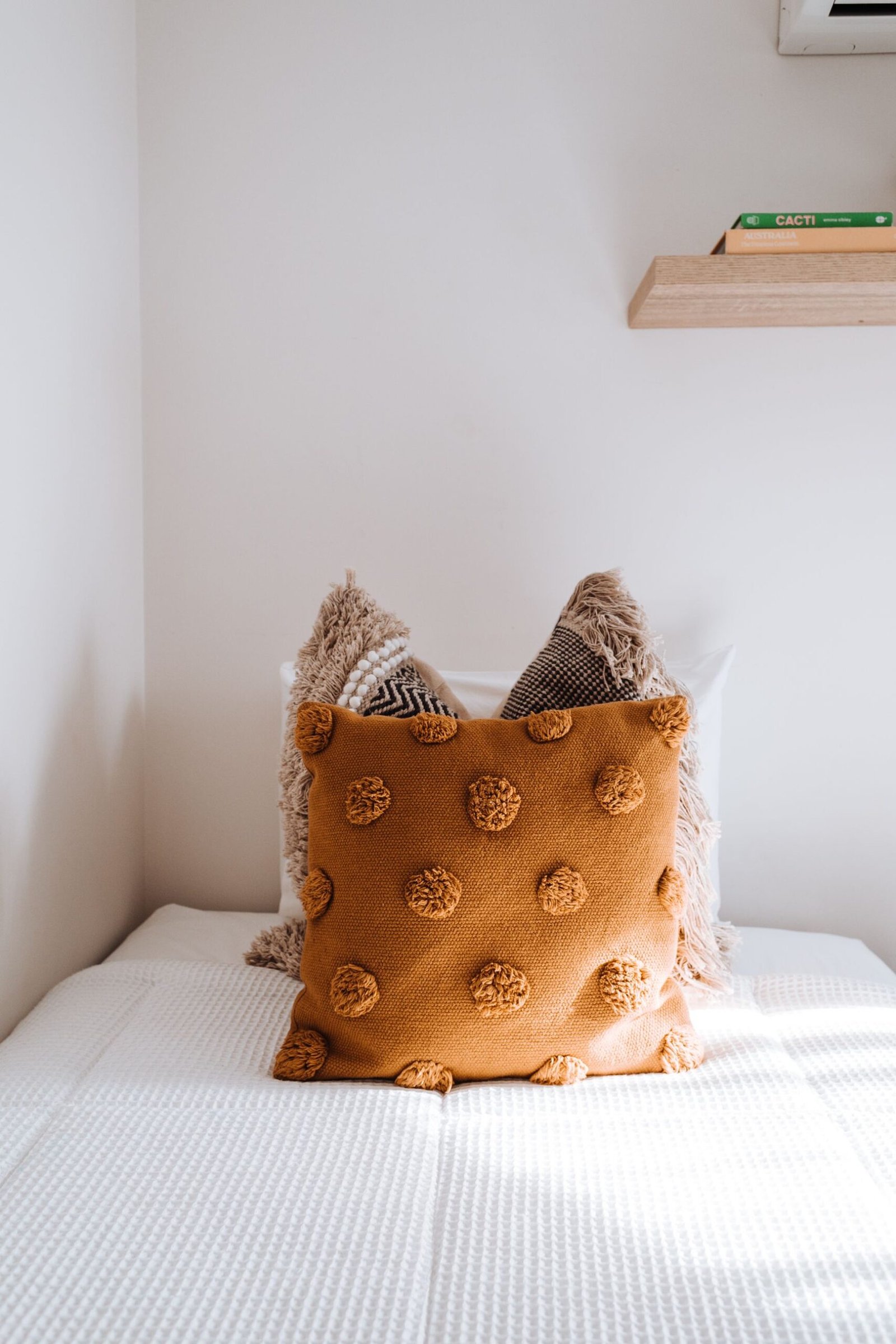
One or two accent cushions can add texture; a large pile that ends up on the floor each night creates work. Keep only the layers you actually enjoy using.
12. Use closed storage for visual clutter
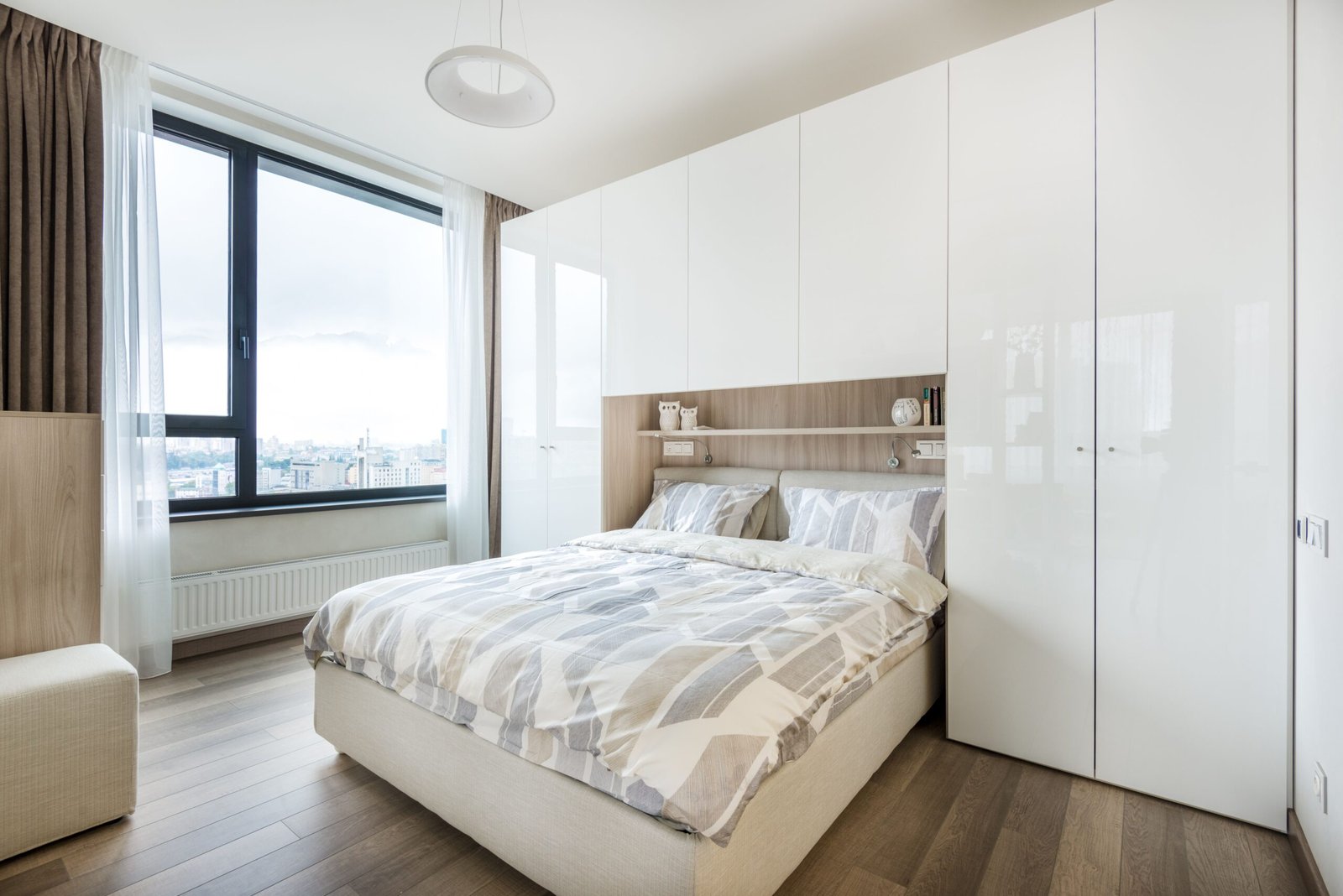
Open shelves are useful, but a mix of closed cabinets, drawers, and baskets helps hide small objects. Store items close to where you use them for easier maintenance.
13. Build a five-minute bedtime reset
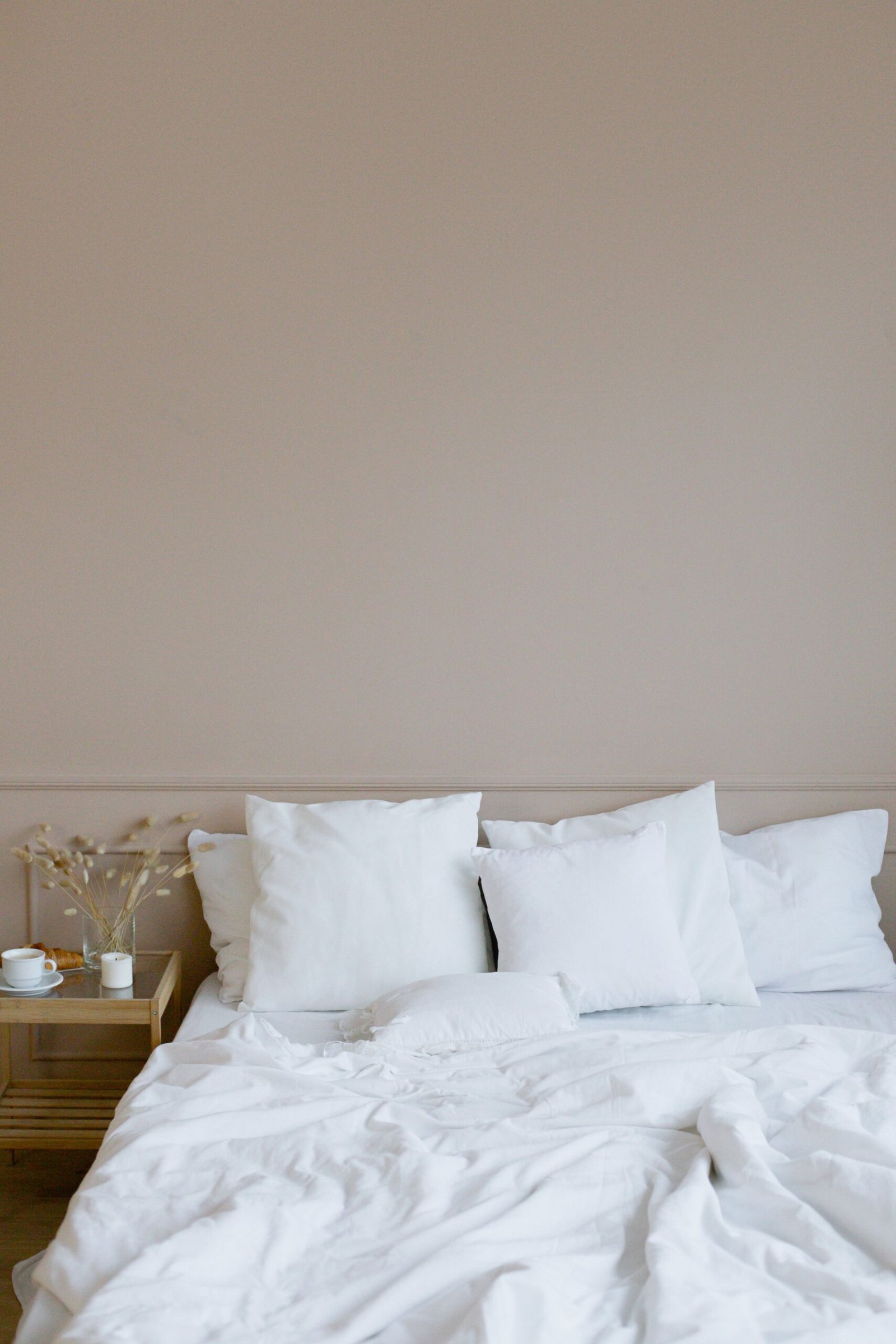
Put clothes in a hamper, return cups to the kitchen, and clear your bedside surface. This simple routine helps the room stay comfortable after the initial makeover.
Where to begin
The strongest small-bedroom changes are often subtractive. Try removing one unnecessary piece of furniture, improving one source of light, and giving a clutter hotspot a practical home.