
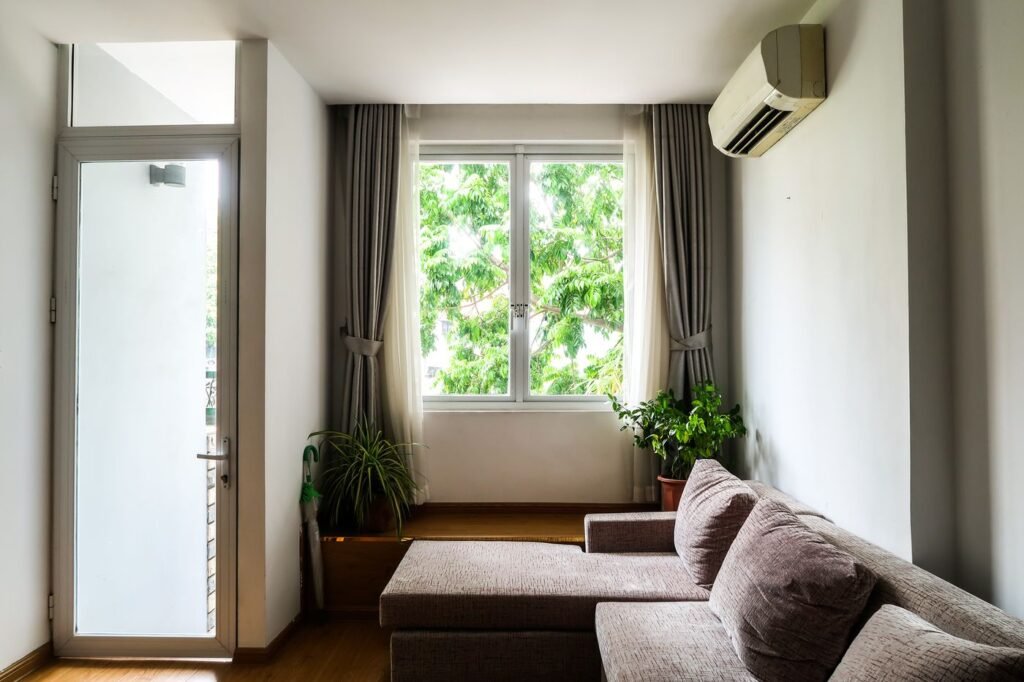
Welcoming overnight guests can feel complicated when the living room also needs to be your dining space, home office, or route to the kitchen. A spare bedroom would be convenient, but a thoughtful setup can still make a short visit feel comfortable. The useful details are often simple: knowing where to put a suitcase, finding a light without waking everyone, and understanding when the household starts its day.
Whether family is visiting for Thanksgiving or a friend is staying for a weekend, start with what your home can realistically offer. These ten ideas help you prepare a shared space while keeping everyday life manageable for everyone.
1. Agree on the sleeping setup before arrival
Describe the actual arrangement before travel plans are settled. Saying that someone will sleep on a sofa in an open living room gives them more useful information than promising a cozy place to stay. Mention whether other people pass through at night, whether pets use the room, and when it normally becomes busy again. Guests can then decide whether the setup suits them without an awkward conversation at bedtime.
Confirm arrival and departure dates, too. One night on a couch and a week in the main family room are different requests. Ask privately about any practical needs, such as difficulty getting up from a low surface or needing a quiet place to work. You do not need to solve every issue by buying something. A shorter stay or nearby accommodation may be the more comfortable choice.
If other people live with you, agree on the plan together. Offering a child’s room or your partner’s workspace should be a household decision rather than a surprise.

2. Test the sleeping surface with the room fully arranged
Set up the sofa bed, folding mattress, or other adult sleeping surface before your guest arrives. A sofa that feels pleasant for an hour of conversation may feel very different when someone stretches out. Check usable length, uneven cushions, and whether the bedding stays in place. If you are borrowing or using an inflatable mattress, follow its instructions and check that it holds air before the visit.
Look beyond the mattress itself. Can the guest stand up without hitting the coffee table? Can someone reach the bathroom without stepping over the bed? Move small furniture deliberately, and give it a temporary home that does not block another doorway. Keep doors, windows used for escape, and the route outside clear. Show your guest how to get out of the home.
Choose the option that fits the person as well as the floor plan. If getting down to floor level is difficult for them, a low mattress may be a poor fit even when it stores neatly afterward.
3. Make a complete bedding bundle with adjustable layers
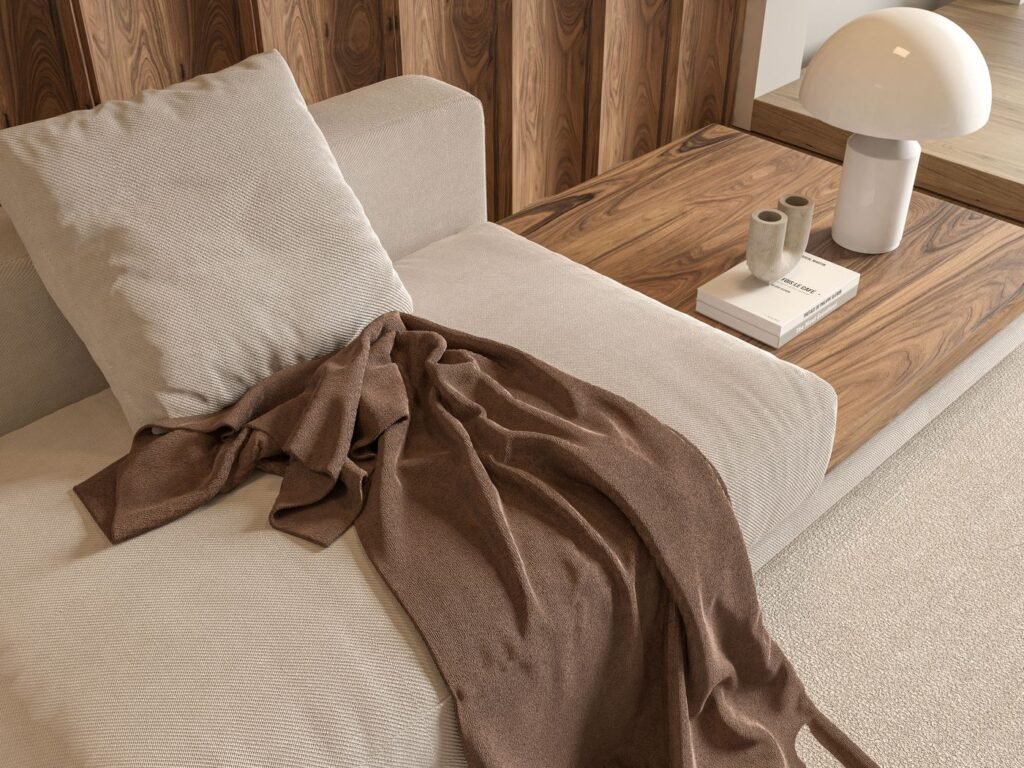
Gather everything needed for the first night in one place: appropriately sized sheets, pillowcases, sleeping pillows, and a blanket or comforter. A decorative sofa pillow is not automatically a comfortable sleeping pillow. Use clean bedding and ask whether your guest has a pillow preference before assuming an elaborate arrangement will help.
Offer a lighter layer and an extra blanket so the guest can adjust without changing the temperature for the whole household. Living areas can feel different from bedrooms, especially near large windows. Put the spare layer within reach and explain where it belongs during the day.
Keep decorative cushions and fragile throws out of the sleeping setup if they will only need moving twice a day. A simple bundle is easier to use and put away. Our modern bedding ideas offer more ways to build a comfortable arrangement without piling on unnecessary layers.

4. Create a little privacy without closing off the room
A folding screen can give a guest a visual boundary in an open room, particularly when their sleeping area faces the kitchen or dining table. Position it to shield part of the bed while preserving a clear route through the space. Choose a stable screen and use it according to its instructions; an improvised wall of stacked furniture creates a different problem.
Be clear about what the boundary can do. A screen does not make a living room soundproof or provide the privacy of a room with a door. Agree that the area behind it is personal space during the visit, and avoid reaching around it for everyday belongings.
If there is no room for a divider, thoughtful positioning still helps. Turn the sleeping area away from the busiest sightline where possible, and offer the bathroom or another agreed private room for changing. You can improve privacy without requiring anyone else to give up their bedroom.

5. Reserve a real place for the suitcase and daily belongings
A guest needs somewhere to live out of their bag, not just somewhere to park it unopened. Clear a defined corner, a sturdy bench that can support the luggage, or a section of closet floor. Check whether the suitcase can open there without blocking a door or taking over the only walking route.
For a longer weekend, a cleared drawer or shelf may be more useful than a large welcome basket. Offer a few empty hangers if you have space. Keep the area genuinely empty so the guest does not have to negotiate around your paperwork, shopping bags, or breakable decor.
Separate what must be accessible from what can stay packed. Shoes, a jacket, and a small toiletry bag may need their own spots, while the suitcase can close during the day. If the only available storage is inside a family member’s room, agree on access beforehand rather than creating repeated interruptions.

6. Give the guest a small bedside landing spot
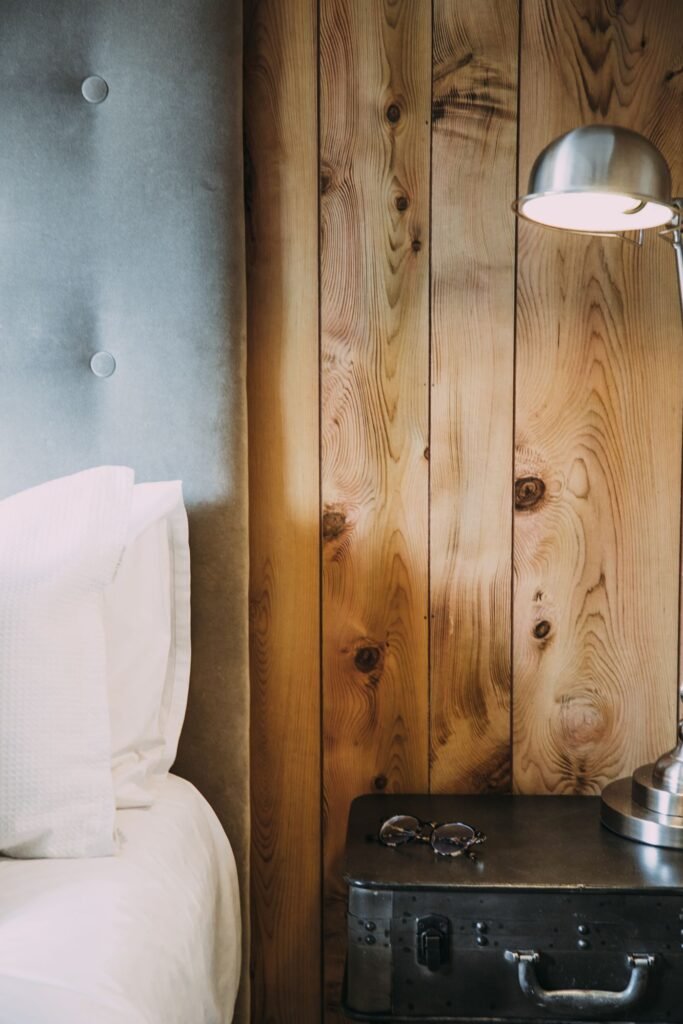
Borrow a compact side table or another stable surface for a phone, glasses, and a glass of water. Place it where the guest can reach it while lying down. A large decorative arrangement looks welcoming in a photo, but it uses the very space that makes a temporary sleeping area practical.
Add a reachable lamp if one is available, and show the guest how its switch works. Point out a convenient outlet before they unpack. Keep charging cables out of walking routes and follow the device and charger’s instructions. Do not make someone choose between charging their phone and leaving it on the far side of the room.
Remove unnecessary objects from the surface, especially anything easily knocked over in the dark. If you are working with an especially narrow space, our bedside storage ideas can help you decide which essentials deserve a place within reach.
7. Clear bathroom space and explain the small essentials
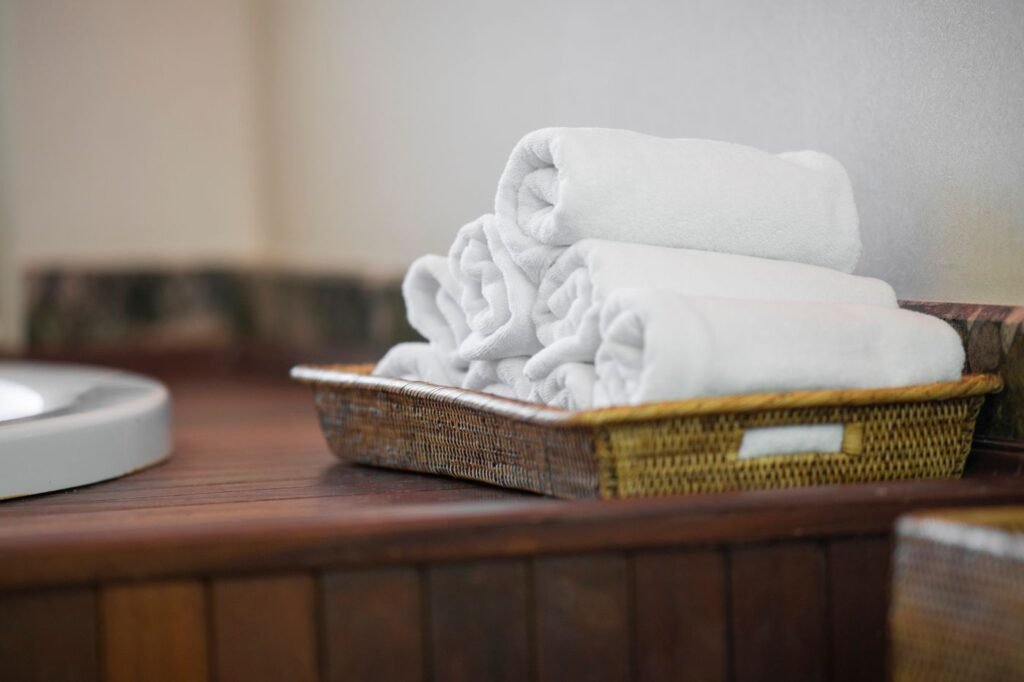
Set out a clean bath towel and hand towel, then show your guest where to hang them to dry. Make a little room on a shelf or another suitable surface for their toiletries. An empty space is often more helpful than a collection of unfamiliar products, especially if the bathroom is already compact.
Point out spare toilet paper, hand soap, the trash can, and any shower controls that are not obvious. If there is a door lock, explain how it works. Sharing this information casually on arrival saves the guest from opening cabinets or having to ask through a closed door later.
In a one-bathroom home, discuss the morning rush. A guest may be happy to shower after you leave for work, but they need to know when that is. Keep everyone’s usual toiletries accessible so preparing for the visit does not turn the bathroom into a guest-only room.
8. Check light, sound, and temperature from the guest’s spot
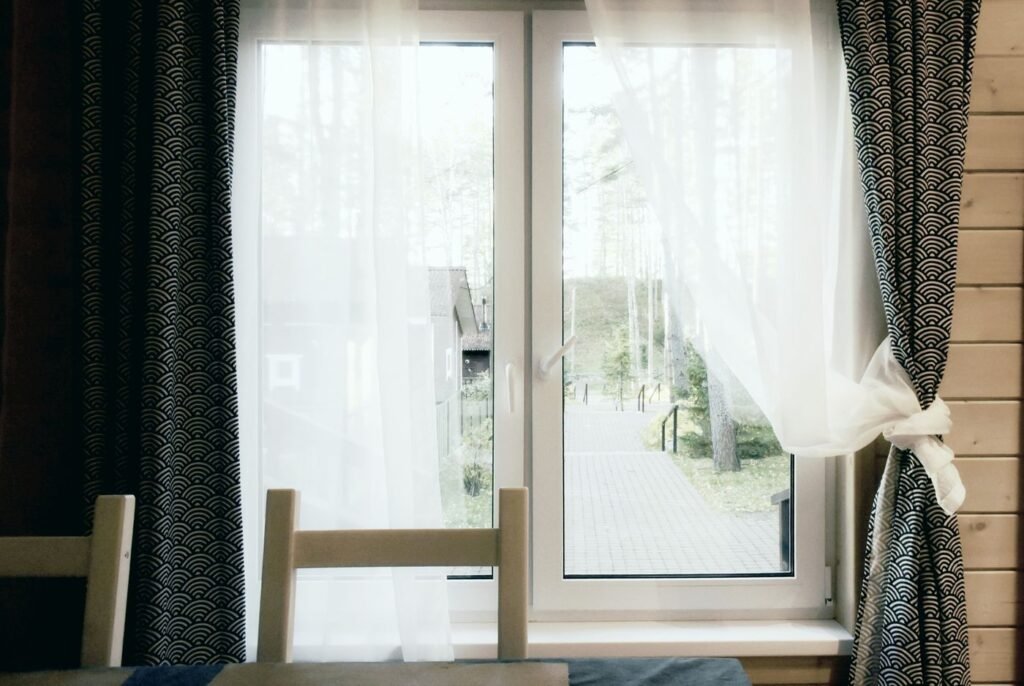
Sit or lie down where your guest will sleep and notice the room from that position. A hallway light may shine directly into their face, or the kitchen may be much louder from the sofa than it seems from a bedroom. Close existing curtains and check what they actually cover. Sheer curtains soften daylight but offer limited darkness.
Discuss a realistic quiet period with the household. Put away what you will need later so you are not searching beside the guest’s pillow after bedtime. If you have spare earplugs or a sleep mask, offer them as optional extras rather than expecting them to compensate for unrestricted noise.
Ask before using scented sprays, plug-ins, or fragranced laundry products for the visit. Freshly cleaned surroundings do not need a stronger scent to feel welcoming. Explain any heating controls the guest can use, and leave a spare blanket nearby if they prefer a warmer sleeping space.
9. Make the first morning easy to navigate
Show your guest where to find a mug, drinking water, and a simple breakfast option before you go to bed. Ask what they normally eat or drink in the morning and whether there are foods you should avoid buying for them. A familiar, manageable option is more useful than planning a large breakfast nobody has time to prepare.
If you leave early, explain what they can help themselves to and how the coffee maker or kettle works. Keep instructions short and specific. You can also point out the nearest cafe if your schedules differ or your kitchen will be busy.
Choose a breakfast spot that does not require the sleeping area to disappear immediately. A small kitchen table or cleared counter may work while bedding stays in place for a slower start. For holiday visits that also include a larger meal, our small-home Thanksgiving hosting plan helps coordinate the rest of the shared space.

10. Plan a gentle daily reset and a simple departure
Decide where pillows and blankets will go when the living room returns to daytime use. An empty basket, a cleared shelf, or a reusable bag can hold dry bedding between nights. Choose a spot that is easy to reach so resetting the room does not become a project each morning.
Explain the plan without making your guest feel rushed out of bed. If the room becomes a workspace at a certain time, mention that before the visit and agree on a routine. Let the guest keep their small belongings together in the space you reserved, rather than asking them to pack everything away repeatedly.
Before departure, tell them where to leave used towels and bedding. A designated laundry basket avoids guesswork and keeps damp towels separate from clean supplies. You can simply ask them to leave the sleeping area as it is if that makes cleanup easier. A clear, modest request is kinder than expecting guests to infer your preferences.

Make the stay fit your home
You do not need to recreate a hotel to make someone feel welcome. Start with an honest description of the space, a suitable sleeping surface, and a few places for the belongings they will use every day. Then walk through bedtime and the first morning to spot anything missing.
For a short visit, those practical details can make sharing a small home easier. For a longer stay, revisit the arrangement together instead of assuming the same setup will suit everyone indefinitely. The best plan is one your guest understands and your household can comfortably maintain.