
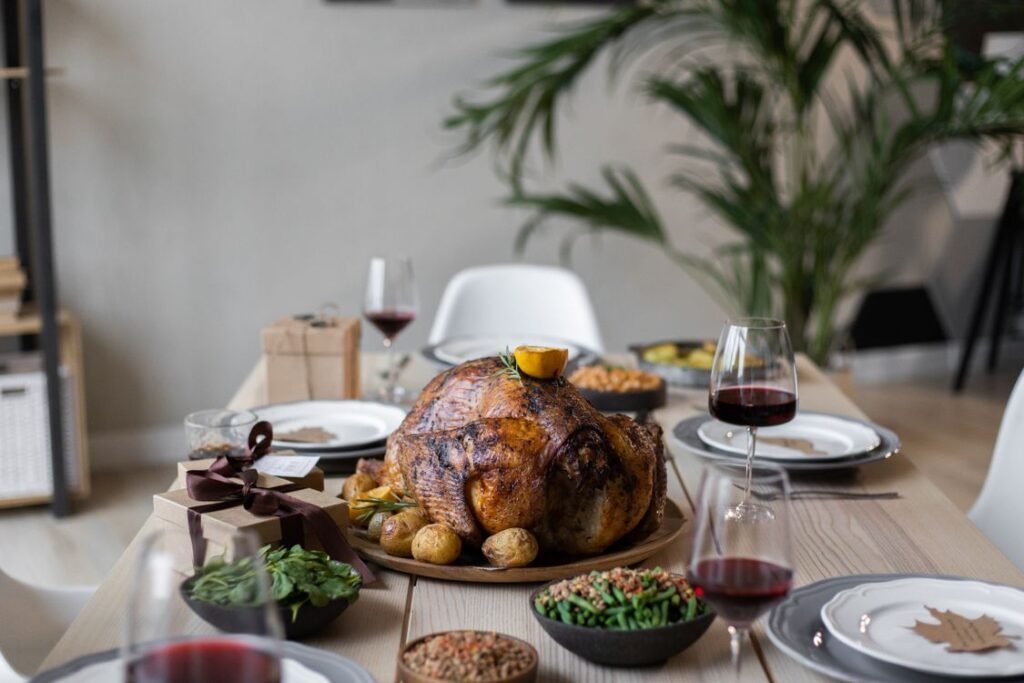
Hosting Thanksgiving in a small home can feel manageable until you picture everything happening at once: guests arriving with coats, side dishes waiting for the oven, drinks being poured, and someone trying to squeeze behind a chair. The challenge is finding room for all those activities, not simply fitting another table into the living room.
You do not need to turn your home into a miniature event venue. A clear plan for where people sit, where food is served, and what happens before and after dinner can make the day easier. Start with the space you actually use, then build the celebration around it.
1. Count comfortable seats before planning the rest
Begin with a confirmed guest count, including everyone who lives in your home. Then count the places where people can comfortably eat a full meal. A sofa seat is useful for conversation, but it may not be a comfortable dinner spot for someone balancing a plate, cutting turkey, or getting up with stiff knees. Ask about seating or access needs before settling on the layout.
Set out the chairs you plan to use and give each place an actual plate and glass. Pull the chairs back as though people were getting up. Walk from the entrance to the bathroom and between the table and kitchen. This simple rehearsal can reveal a blocked doorway or an awkward squeeze that is easy to miss when the chairs are neatly tucked in.
If you need extra places, try borrowing a compact table or suitable chairs before buying them. Check the height and stability of borrowed furniture together; two tables that look similar may be uncomfortable to use as one long dining surface. Keep walking routes and exits clear, and avoid placing a temporary table where guests must cross the cooking area to reach it.
Let the room have a different job for the day. A coffee table or an occasional chair can move to another suitable spot if that creates useful dining space. If a seated meal still does not fit comfortably, consider a smaller guest list or explain a more casual arrangement in advance. A welcoming invitation includes an honest picture of how the gathering will work.
2. Give serving dishes their own space
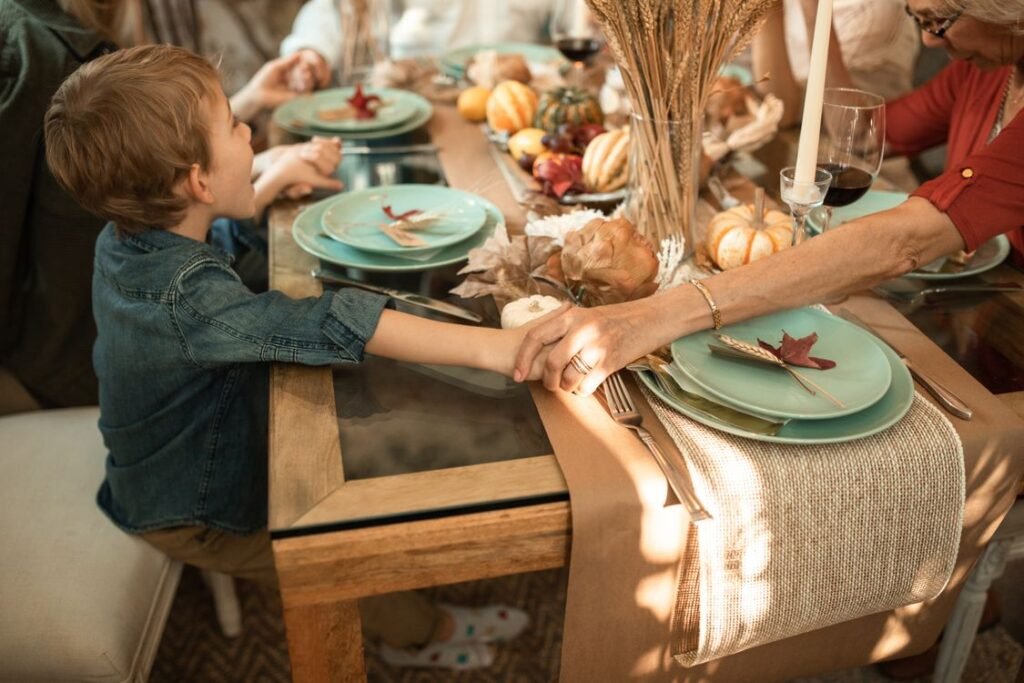
A small dining table quickly becomes crowded when it must hold plates, glasses, a centerpiece, a turkey platter, and several side dishes. Choose a separate serving surface where possible: a cleared kitchen counter, a sturdy sideboard, or a suitable table close to the dining area. Check that the surface can support the dishes and protect it from heat as needed.
Before the holiday, put the empty serving dishes in their intended positions. Include the utensils, trivets, and space needed to set down a plate. Start the serving route with plates, followed by the main dishes and sides. Leave napkins and flatware at the dining places, or near the end, so guests have fewer things to carry while filling their plates.
Think about where the line will go. A buffet that starts in a narrow doorway can block both the dining room and kitchen. If there is no room for a separate station, keep the table setting simple and bring out a manageable selection of dishes at a time. There is no need to force a buffet layout into a room where it creates more congestion.
Keep food safety part of the serving plan. Hold hot foods at 140°F or above and cold foods at 40°F or below, checking with a food thermometer. Without temperature control, do not leave perishable food out for more than two hours, or one hour above 90°F. Small serving portions can make replenishing easier, but they do not remove those time limits.
For the dining table itself, choose a low, modest decoration and leave room for people to use their place settings. Our dining corner ideas can help you think about how the eating area fits into the rest of the room.
3. Plan the menu around your oven and refrigerator
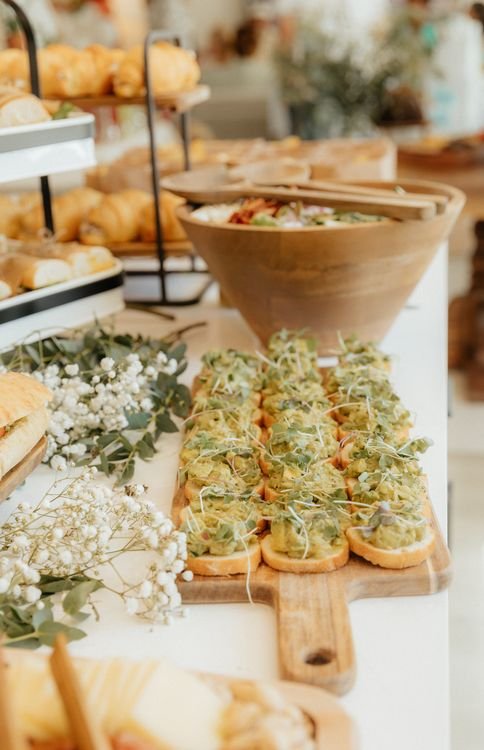
Make a list of what you intend to serve, then add the equipment each dish needs. Include oven temperature, cooking or reheating time, refrigerator space, and the dish it will arrive in. A menu can look perfectly reasonable on paper while asking one small oven to handle three incompatible tasks in the final half hour.
Choose a few dishes that matter most to your household and build around them. A smaller menu of familiar favorites may be easier to serve well than a large menu with several last-minute experiments. Include a suitable dish that does not need oven space if it fits your guests’ needs, and follow its storage instructions until serving time.
Be specific when people offer to bring food. Ask what they are bringing, how much space it needs, and whether it will arrive ready to serve or require work in your kitchen. A guest bringing an uncooked casserole creates a different plan from someone bringing bread or dessert. Agree on those details early instead of discovering them while the main dish is cooking.
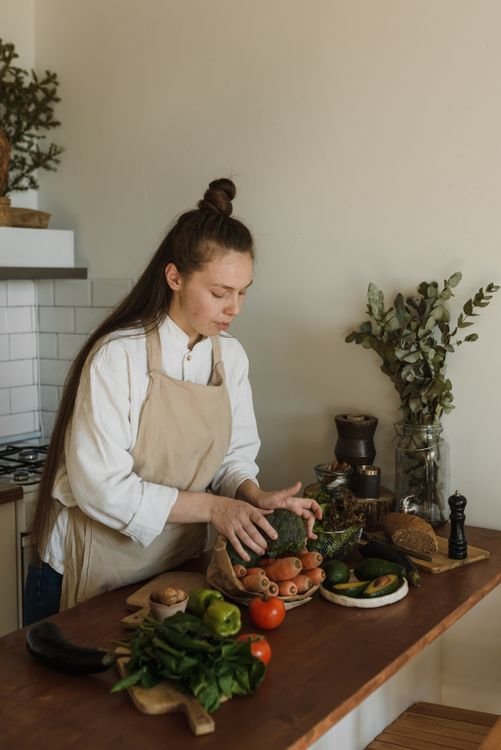
Write the day’s sequence in plain language: what happens first, what can be prepared earlier, and which tasks need your attention close to dinner. Follow recipe and food-safety guidance rather than guessing that every dish can be cooked ahead or held warm in the same way. Keep one clear preparation surface available so a late task does not take over the buffet.
Make refrigerator space before you start preparing the meal. Move items into a more usable arrangement and check what actually needs to stay cold. The aim is to create room for both preparation and leftovers, without treating a cool porch or an unmonitored garage as a substitute for refrigeration.
4. Put drinks where guests can help themselves
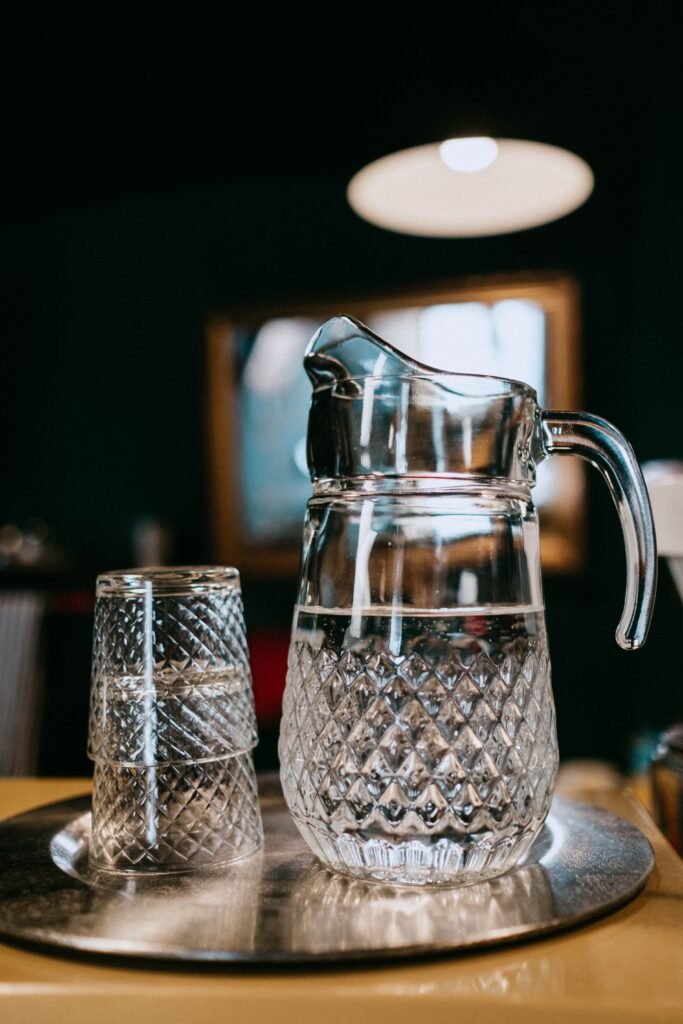
If every glass of water requires someone to enter the cooking area, a small kitchen can become a gathering spot at exactly the wrong moment. Choose a separate, stable surface for a simple drinks setup. It might be the end of a sideboard or a small table near the seating area, provided it leaves a clear route through the room.
Keep the selection manageable. Water, a few glasses, and the drinks your guests actually enjoy can be enough. Group the essentials so someone can understand the setup without asking you where everything is. Leave space for pouring and for a person to put down their glass while opening a bottle; a tray packed edge to edge can be awkward to use.
Place an extra towel nearby for spills, and decide where empty bottles or cans should go. If drinks need ice or refrigeration, plan how they will be replenished instead of setting out every bottle at once. Keep heavy pitchers in a position where people can lift them comfortably, and arrange hot drinks away from edges and children’s reach.
Choose one person to check the station occasionally if you would find that helpful. A clear task such as replacing the water pitcher is easier to share than a general request to help with everything. You can also keep a few snacks near the conversation area so guests have a reason to settle somewhere other than beside the stove.
5. Decide where coats, bags, and guests will land
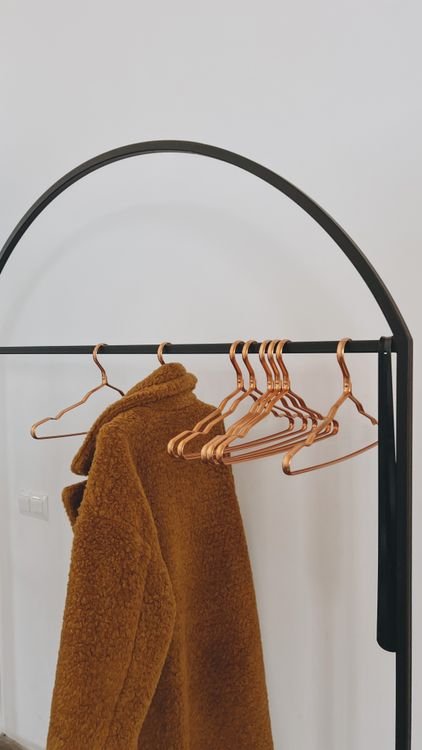
The first few minutes can make a small home feel fuller than it is. Coats go over dining chairs, bags collect beside the door, and everyone stops in the same patch of hallway. Give those belongings a place before guests arrive, even if it is just a cleared section of a closet with enough empty hangers.
If you use a bedroom for coats, explain where things should go and keep a clear path into the room. A small labeled basket can help with scarves or gloves if you already have one. Avoid creating a new pile on furniture someone will need for sitting or sleeping later. Guests should be able to retrieve their belongings without dismantling the arrangement.
Check the route to the bathroom, too. Put out clean hand towels, soap, and an easy-to-find spare roll of toilet paper. These are small preparations, but they remove questions that otherwise draw you away from the kitchen. Keep any private rooms or storage areas clearly separate from the spaces guests are expected to use.
When you greet people, give them a short orientation: coats here, drinks there, and dinner in this room. Let them know where to place any food they brought before several dishes land on your last clear counter. Our hallway decor ideas includes more ways to keep a narrow passage useful without filling it with extra furniture.
6. Make room for leftovers and clearing up before dinner
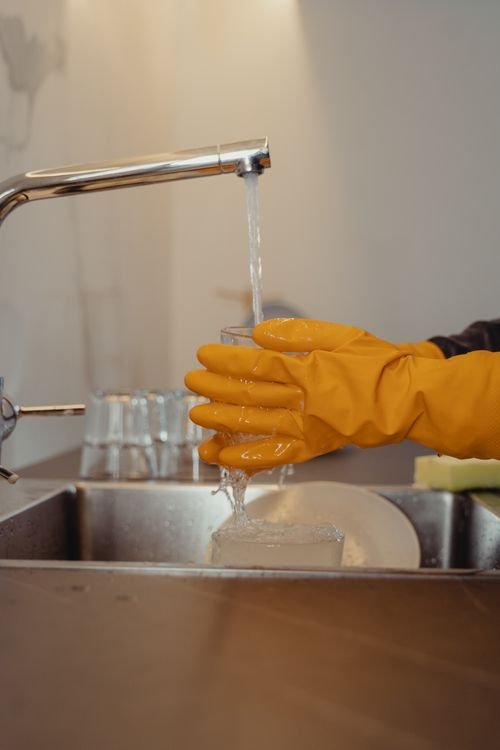
A cleanup plan starts before the first plate is served. Begin with an empty dishwasher if you use one, a clear sink, and a place for used dishes that does not block food preparation. Put out the dish soap and clean towels you will need. Check that the trash and recycling containers have space, with spare bags easy to reach.
Set aside suitable leftover containers with matching lids in advance. Think about what will stay in your refrigerator and what guests might take home, rather than assuming the original serving dishes will all fit. If finding lids is usually a problem, our guide to organizing food storage containers is a useful task to tackle before the holiday.
Refrigerate perishable leftovers promptly within the serving time limits, dividing them into shallow containers to help them cool. Do not wait for a large pot or platter to sit out until completely cool. Plan transport with guests who are taking food home so the food remains safely cold or hot, rather than spending the evening in a warm car.
Give helpers specific jobs that suit the space. One person can clear glasses while another packs leftovers; several people trying to wash, dry, and put away unfamiliar dishes may make a small kitchen harder to use. Set aside delicate or special-care items yourself, and let less urgent washing wait until the meal has been safely put away.
After food is stored and the main surfaces are usable, return to your guests. The room does not need to look as though no one visited. Having a place for the dishes and a plan for the rest lets you enjoy the gathering without turning the last hour into a complete kitchen reset.
Walk through the day before it arrives
Before the day arrives, walk through the gathering once in order: someone comes through the door, leaves a coat, gets a drink, fills a plate, finds a seat, and takes a used dish back. Any spot where that route becomes awkward deserves a small adjustment. You may need to move one chair or clear one surface, rather than buy another organizer.
A small Thanksgiving gathering works best when the setup supports the people who are actually coming. Keep the menu manageable, explain the arrangement, and leave room for everyday movements. The goal is a comfortable meal and time together, with a home that feels ready to welcome everyone.