

A holiday grocery trip can overwhelm a small kitchen long before the cooking begins. The refrigerator still holds everyday meals, the pantry has half-used packages, and the new ingredients seem to need twice as much space as expected. Moving everything around after the bags arrive usually means more searching when it is time to cook.
Before shopping for Thanksgiving, Christmas dinner, or a weekend of visitors, give the groceries a plan. You do not need a matching set of containers or an empty refrigerator. These ten ideas help you work out what to buy, where it will fit, and how to leave useful space for the food that comes afterward.
1. Check what you already have before choosing storage
Start with the ingredients your holiday menu actually needs. Check the pantry, refrigerator, and freezer for those items, including quantities. Finding a flour container is not the same as having enough flour for both a pie and dinner rolls. A quick note that says how much is available is more useful than a photograph of a crowded shelf.
Work through one area at a time instead of emptying the entire kitchen. Bring hidden duplicates into view and check storage instructions and the condition of the food. Discard food that is spoiled or unsafe, and investigate uncertain storage histories rather than trying to fit everything into the menu.
Keep the inventory simple enough to use while shopping. A short list of what you have, what is reserved for a recipe, and what is missing can prevent buying a second package merely because the first one was hard to find.

2. Plan a few everyday meals around food already taking up space
The days before a holiday still need breakfast, lunch, and dinner. Plan those meals alongside the special menu so regular groceries do not compete with an entirely separate holiday shop. Start with food you can safely use now, such as vegetables intended for dinner, an open package of pasta, or a meal already stored in the freezer.
Choose familiar meals with a small number of extra ingredients. A vegetable skillet, soup, or simple pasta dinner may suit what you have, but the goal is to use actual supplies rather than buy a new set of ingredients for a complicated clear-out recipe.
Be realistic about portions. Cooking a huge batch to empty the pantry can fill the refrigerator with another week of leftovers. A modest meal that uses what is available may create more useful space than a large pot that needs storing.

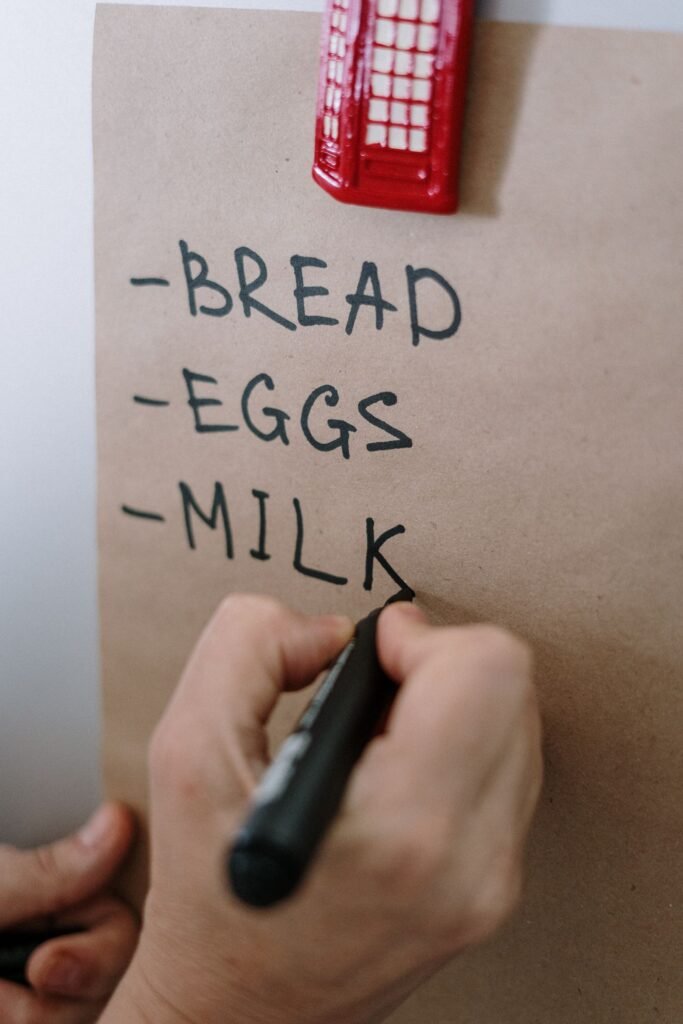
3. Combine every recipe into one shopping list
Add the quantities for ingredients used in several dishes before writing the final list. Butter, onions, broth, and eggs can appear in multiple recipes, so a combined total makes it easier to compare the menu with what is already at home. Include ordinary meals and anything promised to visiting family.
Divide the list by where the food will live: pantry, refrigerator, and freezer. This gives you an early warning when nearly everything needs cold storage. Add quantities or package sizes where they matter, especially if a large multipack would be difficult to store.
Confirm guest contributions before buying their ingredients yourself. If someone is bringing a prepared dish, ask whether it needs refrigeration on arrival and roughly how large its container will be. Our Thanksgiving hosting plan for a small home helps connect those food decisions with the rest of the day.
4. Give holiday pantry ingredients a defined place
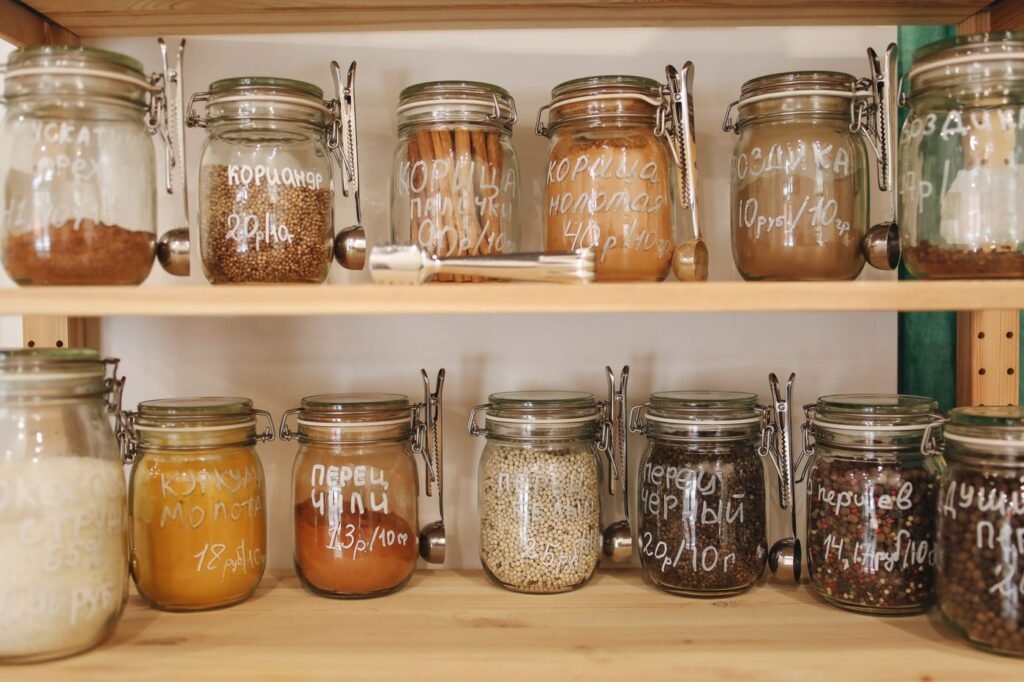
Choose one shelf section or a shallow container for the shelf-stable ingredients reserved for the holiday. Grouping them together makes it easier to check the remaining shopping list and keeps a needed package from disappearing into everyday meals. A temporary paper label is enough.
Use the space you already have before buying organizers. Stand suitable packages upright, keep heavy items on a stable accessible shelf, and place smaller packets together where they will not slide behind larger boxes. Avoid building tall stacks that must be dismantled to reach one ingredient.
Keep this area limited to the planned menu. It should not become a second stockpile of everything that happens to be on sale. If one container cannot comfortably hold the ingredients, split them into two clear groups, such as baking and savory dishes, instead of squeezing them into a deep bin.
5. Reserve refrigerator space for the largest items first
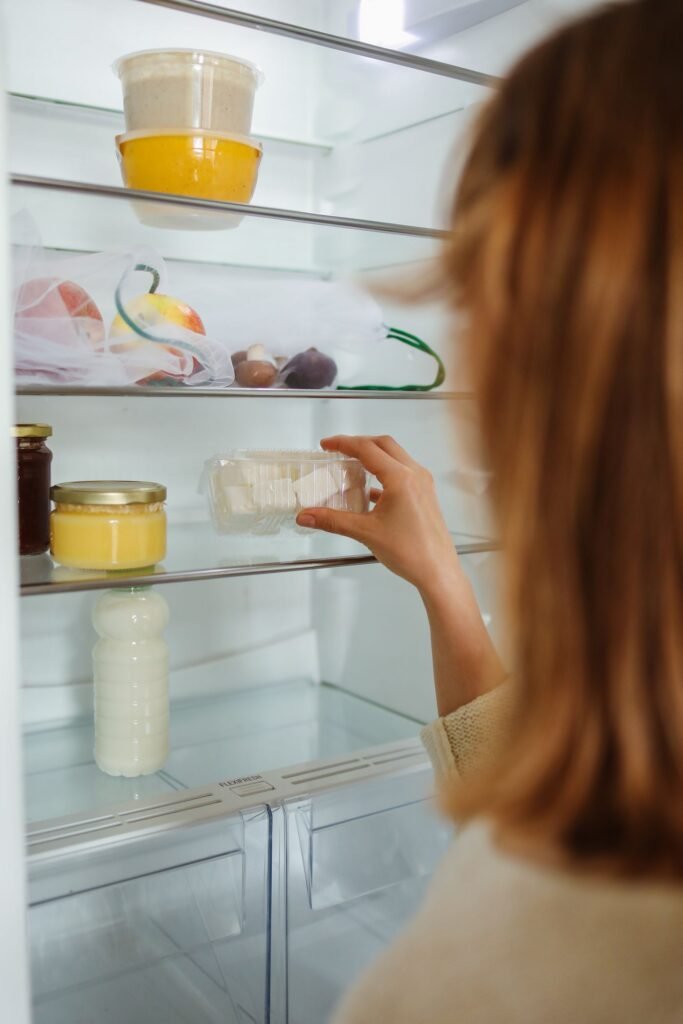
Think about the awkward shapes before filling every shelf with smaller purchases. A turkey in its tray, a prepared casserole, and a boxed dessert can each need a particular width or height. Check those dimensions against the refrigerator, including the space lost when the door closes.
If a frozen turkey will thaw in the refrigerator, account for the days it occupies that space. USDA guidance is approximately 24 hours for each four to five pounds, followed by one to two additional refrigerated days after thawing before cooking. Use that as a planning guide and check the turkey’s directions; do not count on a last-minute thaw.
Keep raw meat and poultry contained so juices cannot drip onto other foods. Check that the refrigerator stays at 40°F or below using an appliance thermometer, and leave room for cold air to circulate. An empty-looking gap can be more useful than another tightly packed organizer.
6. Check container sizes before moving food into them
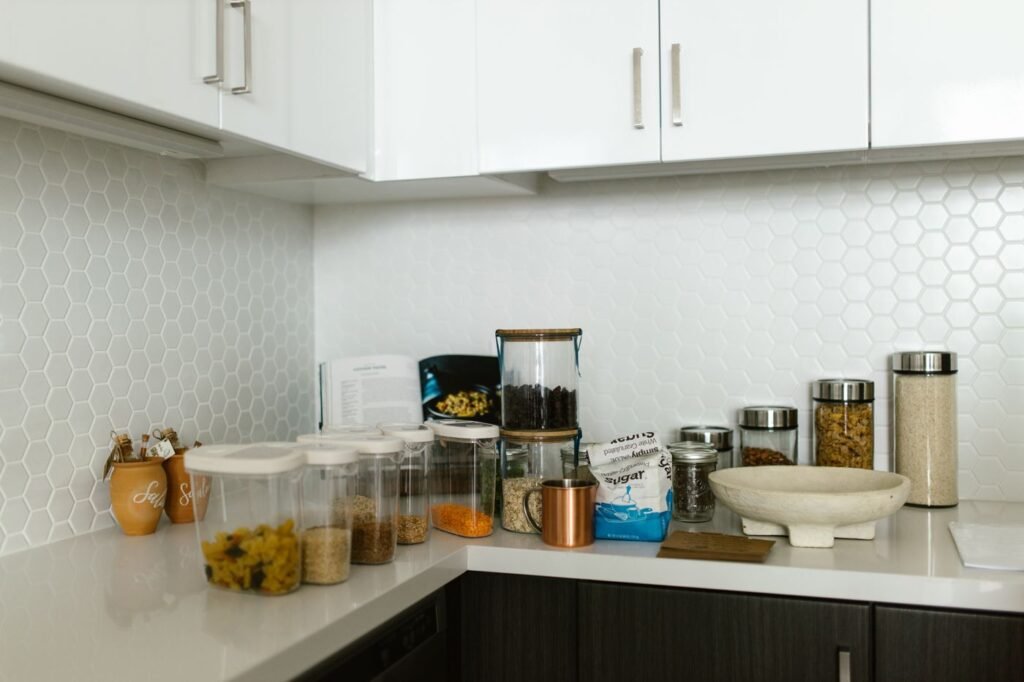
Place empty containers on the shelf where you intend to use them. Check their height with the lid attached, how far they extend toward the door, and whether you can lift them out without moving several other items. A container that fits the food may still be the wrong shape for the refrigerator.
Use food-safe containers suited to their purpose, and follow their care and freezer-use instructions. Do not assume every glass jar or plastic tub is suitable for freezing. If part of the menu will be frozen, reserve room for it now and keep the freezer at 0°F or below.
Match storage capacity to the amount of food rather than transferring a small portion into an oversized tub. For help sorting useful containers and lids before the holiday, see our food storage container organization ideas. Getting the right pieces ready now saves a search during cleanup.
7. Buy in stages that match your available space
If your schedule allows, buy shelf-stable ingredients separately from the final fresh-food shop. That lets you check one group of supplies without keeping every ingredient in the kitchen for the same length of time. Follow product storage directions and use-by guidance when deciding what can be purchased early.
A second trip is not practical for everyone. If you rely on one delivery or have a long journey to the store, adjust the menu and quantities around that reality. Smaller packages can be a better fit than bulk purchases when the larger version has nowhere sensible to go.
Prepare a clear landing area before bringing groceries inside. Put items requiring refrigeration or freezing away promptly rather than leaving them on the counter while you reorganize cupboards. The storage plan should already be in place, so unloading is a short task rather than the start of a kitchen overhaul.
8. Keep original packaging when it makes storage easier
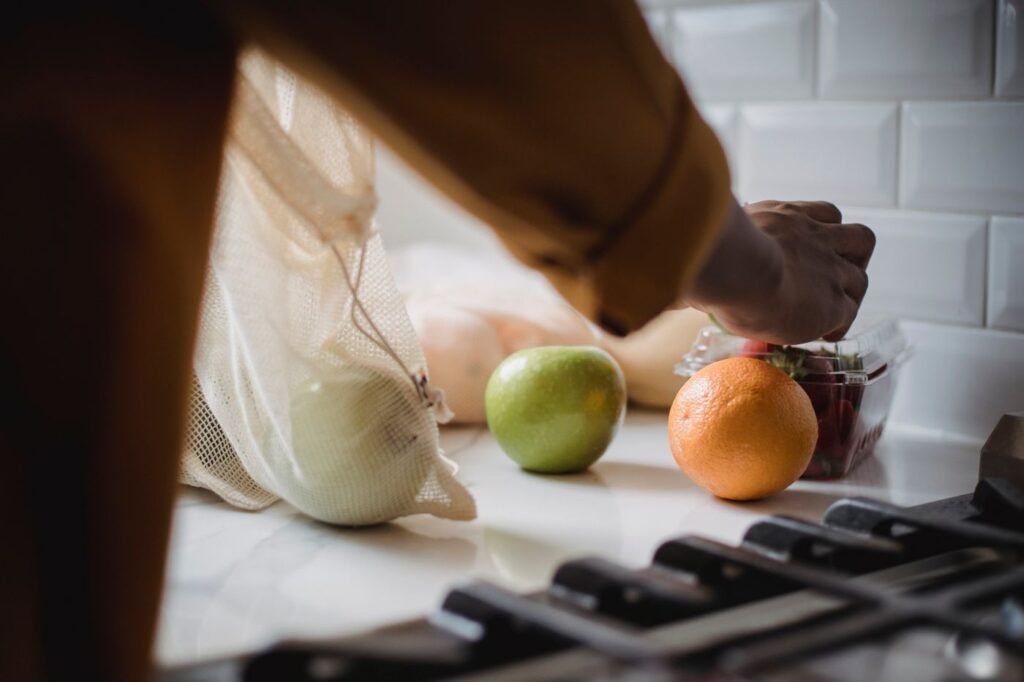
Decanting every ingredient is optional. A narrow packet may fit beside your baking supplies more easily than a large rigid jar. An unopened box may stack neatly, while transferring its contents creates a second overflow bag that also needs a home.
Use containers where they solve a specific problem, such as securing an opened ingredient or making a frequently used staple easier to handle. Keep the relevant product information, including ingredients, allergen information, cooking directions, and dates, when you transfer food. Follow the original storage instructions and avoid mixing old and new supplies without a clear system.
For occasional holiday ingredients, a small group of labeled packages may be the simplest arrangement. You can still keep the shelf orderly without making every item match. Prioritize being able to identify and reach the ingredient over achieving a particular pantry photograph.
9. Keep everyday food accessible beside the holiday supplies
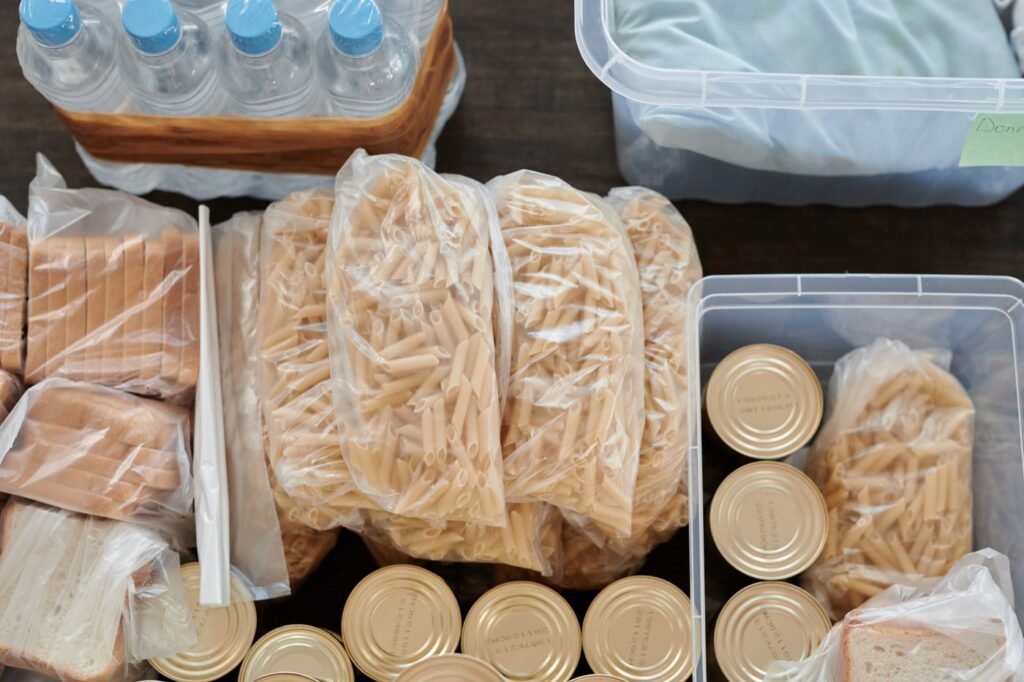
Reserve an easy-to-reach place for the milk, breakfast food, and other items your household needs before the celebration. Otherwise, every normal meal becomes a reason to unpack the refrigerator and rebuild it. Tell the household which ingredients are set aside for recipes and which are available to eat.
A small note can help when two nearly identical items have different purposes. For example, a package of butter might be reserved for baking while another is for daily use. Keep any labels clear without covering storage instructions or important product information.
Apply the same thinking to guest snacks and drinks. Avoid filling the refrigerator with more beverages than you need to chill at once. Only keep unopened shelf-stable drinks elsewhere when their labels permit it; products that require refrigeration still need proper cold storage. Leave that distinction clear for anyone helping unload groceries.
10. Leave room for the groceries to become leftovers
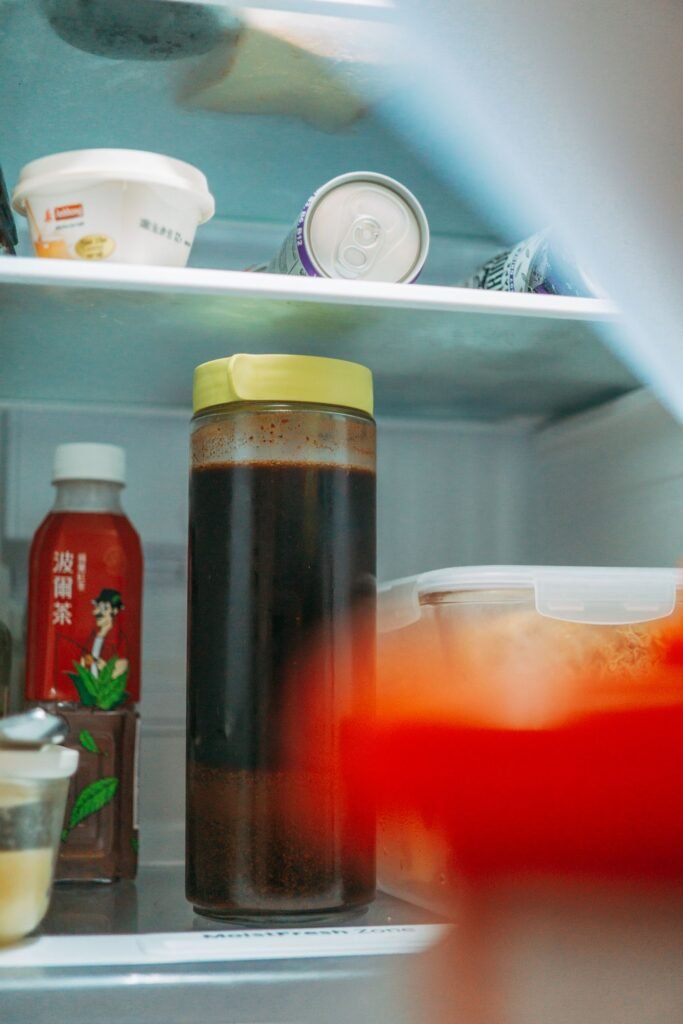
Plan the storage after dinner as deliberately as the storage before it. Ingredients will turn into cooked food, opened packages, and portions you may want to save. Keep suitable containers and lids ready, and identify refrigerator space that will become available as ingredients are used.
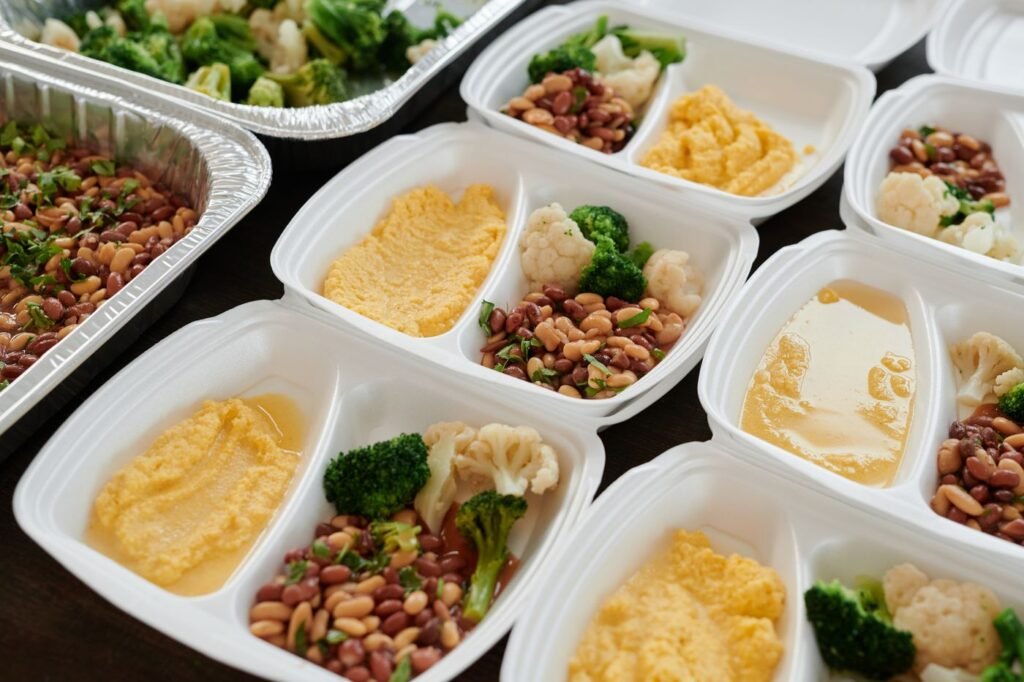
Divide leftovers into shallow containers and refrigerate promptly. Do not leave perishable food out for more than two hours, or one hour when the temperature is above 90°F. Small amounts of hot food can go directly into the refrigerator; divide large quantities so they can cool more quickly. Use refrigerated leftovers within three to four days, or freeze them for longer storage.
Ask guests in advance whether they want leftovers so you can plan quantities and suitable take-home containers. If the planned meal still exceeds your storage space, reduce a dish or arrange a contribution that does not need to wait in your refrigerator. A smaller, manageable menu can be the most effective storage solution.
Make space before the bags arrive
Start with a quick inventory and the largest cold-storage items, then work backward to a shopping list your kitchen can hold. Keep everyday food accessible, give holiday ingredients a clear home, and leave a plan for leftovers. Those decisions matter more than owning a particular set of bins.
The result does not need to look like an empty showroom pantry. It needs to let you unload groceries, find ingredients, and cook without repeatedly moving the same packages. Once each purchase has a purpose and a place, the holiday preparation becomes easier to manage.