
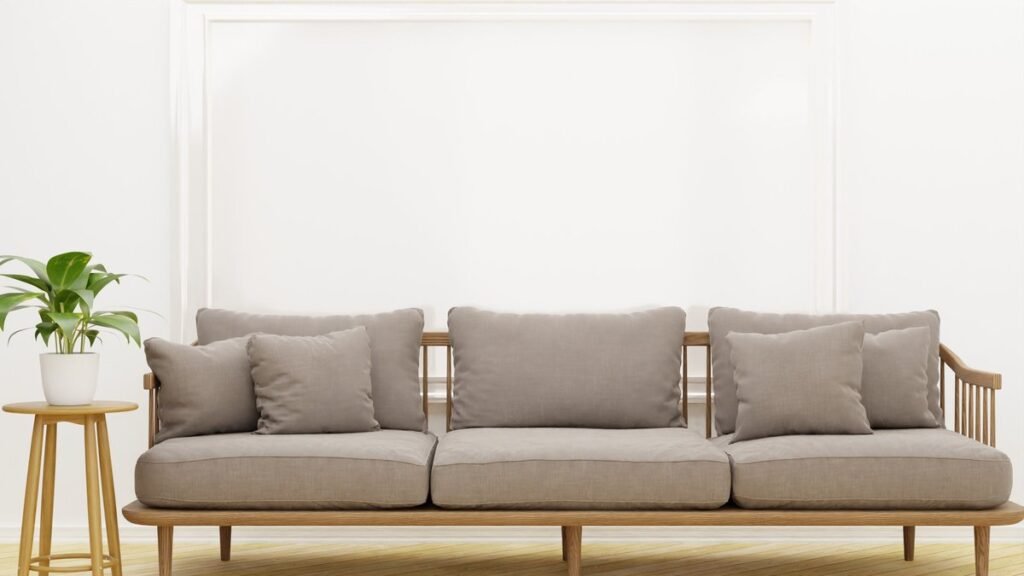
Sometimes a room looks almost right but still feels awkward. You may have to move a cushion to sit down, stretch for a lamp, or squeeze around a table. Those small problems can make a space feel unfinished even when you like the furniture. Before buying more decor, look at what interrupts daily use. These decorating fixes show ten clear scenes you can try. Each starts with a practical change, then keeps the styling simple. There is no single perfect layout for every home. Test the idea with your own furniture and keep the version that makes the room easier to enjoy.
Start here: Use the room before adding more decor. Notice one awkward reach, blocked route, or crowded surface, then try moving or removing an existing piece. Test the change through normal daily use before buying anything new.
1. A Sofa With Two Cushions and a Clear Seat
Picture a plain sofa with one cushion at each end and the middle seat left open. The cushions add softness without covering every place to sit. A small side table can hold a book and coaster nearby, leaving the sofa ready for people rather than a display of pillows.
Remove the extra cushions temporarily and use the sofa for a few evenings. Keep the ones that improve comfort or add a color you enjoy. Give spares a proper storage spot instead of piling them on another chair. If the sofa feels too bare, try one textured cover before adding more cushions. The right number depends on the seat and household. A comfortable arrangement matters more than following a fixed styling rule.
2. A Side Table Moved Within Easy Reach of a Chair
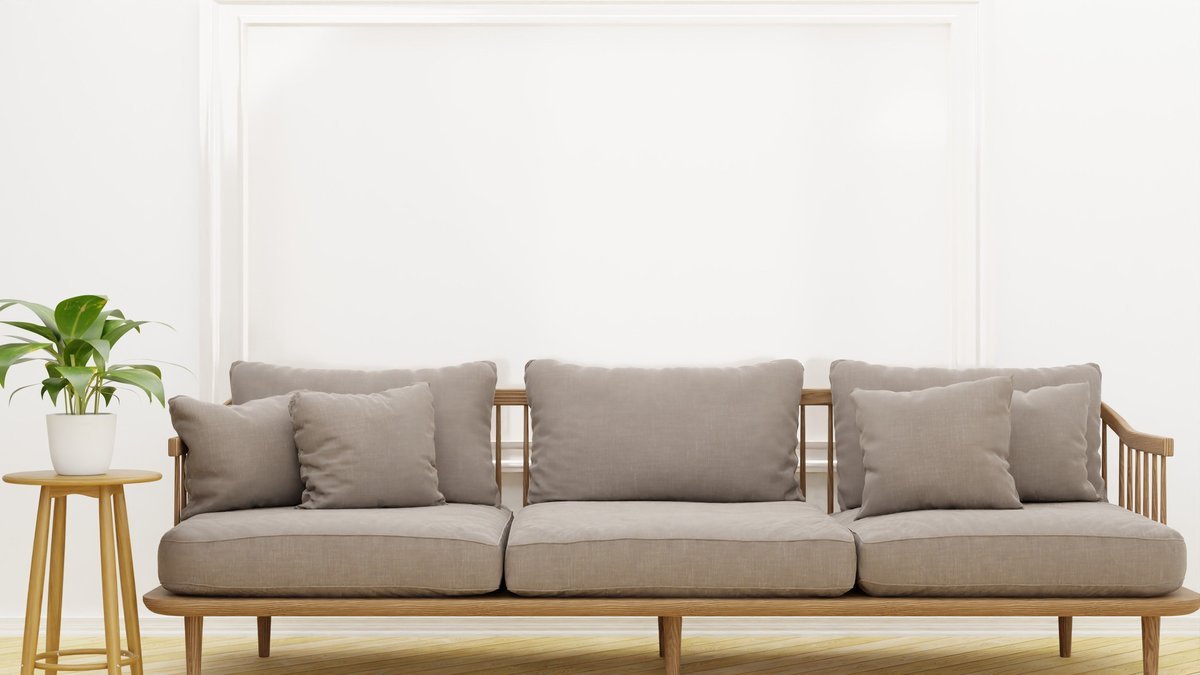
A chair corner often needs a small adjustment rather than another object. Imagine a blue chair with its wooden side table close enough for a book and drink. A reading lamp stands behind the table, with its base outside the foot space. The chair can be used without leaning awkwardly or moving furniture first.
Sit down normally and test the reach before deciding where the table belongs. Check its height and stability, and leave room to stand. Route the lamp cable safely away from the walkway. If moving the table closer makes the corner cramped, choose another piece you own or use less furniture. Do not force a large table beside a chair simply because the finishes match. Useful spacing helps the scene feel settled.
3. A Dining Table With Its Center Kept Low and Simple
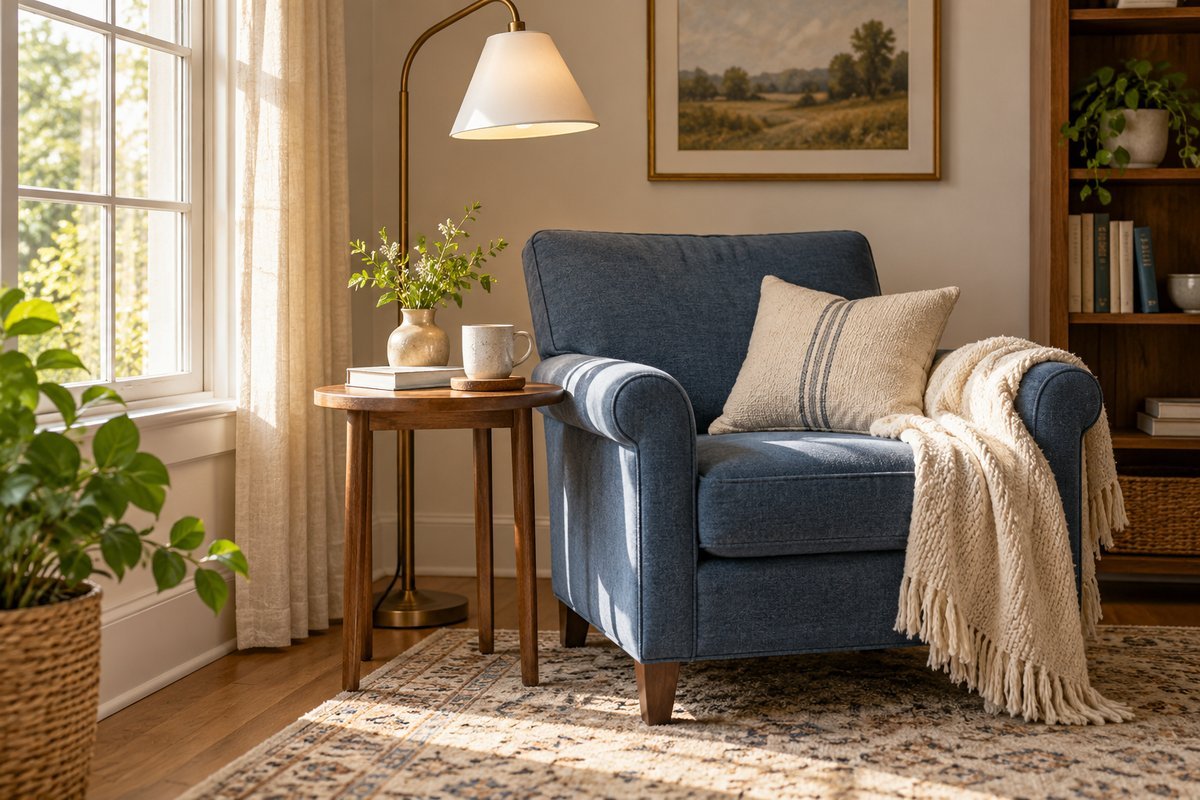
Picture a dining table with one low bowl in the middle and room for place settings around it. Tall decorative stems have moved to a sideboard. The table still has a focal point, but people can see each other and pass dishes. A plain runner adds a soft detail without covering the whole surface.
Try the arrangement with people seated and the food you normally serve on the table. If the bowl must move every time, make it easy to lift or leave the center empty during meals. Choose table fabrics that do not catch on chairs. A lovely centerpiece should fit the way you eat. You can enjoy taller flowers elsewhere rather than giving up sight lines and serving space to keep them on the table.
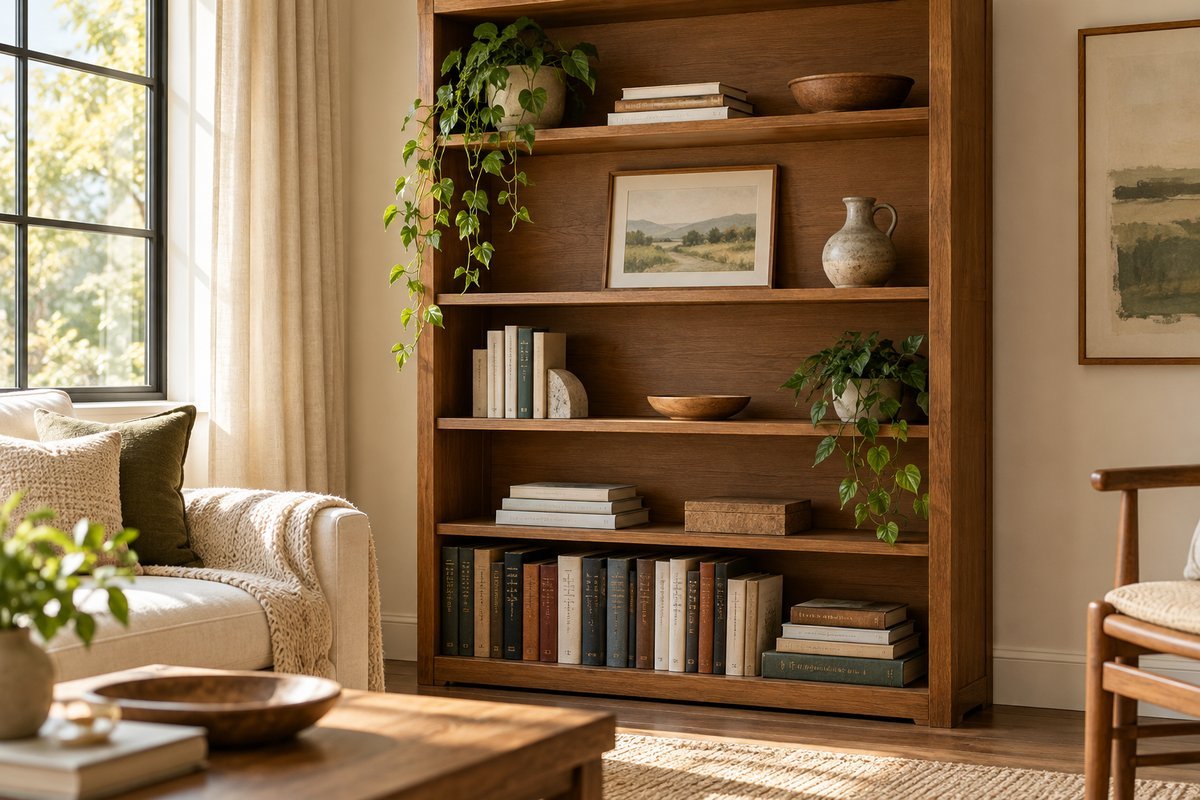
4. A Bookcase With Heavy Items Low and Open Gaps Above
An overfilled shelf can be hard to use and hard to see. Imagine a bookcase with heavier books on suitable lower shelves, a few smaller groups above, and clear gaps between them. One favorite object sits on an open shelf rather than being hidden behind several others. The arrangement keeps storage and display distinct.
Follow the furniture maker’s loading and anchoring guidance. Do not remove structural parts or overload one shelf to make another look empty. Put frequently used books where they are comfortable to reach. Store spare objects carefully while testing the new arrangement. If the bookcase remains crowded, review what belongs there before adding decorative boxes. Empty space can help each useful group show without turning the shelf into a collection of containers.
5. A Curtain Pair That Leaves the Window Usable
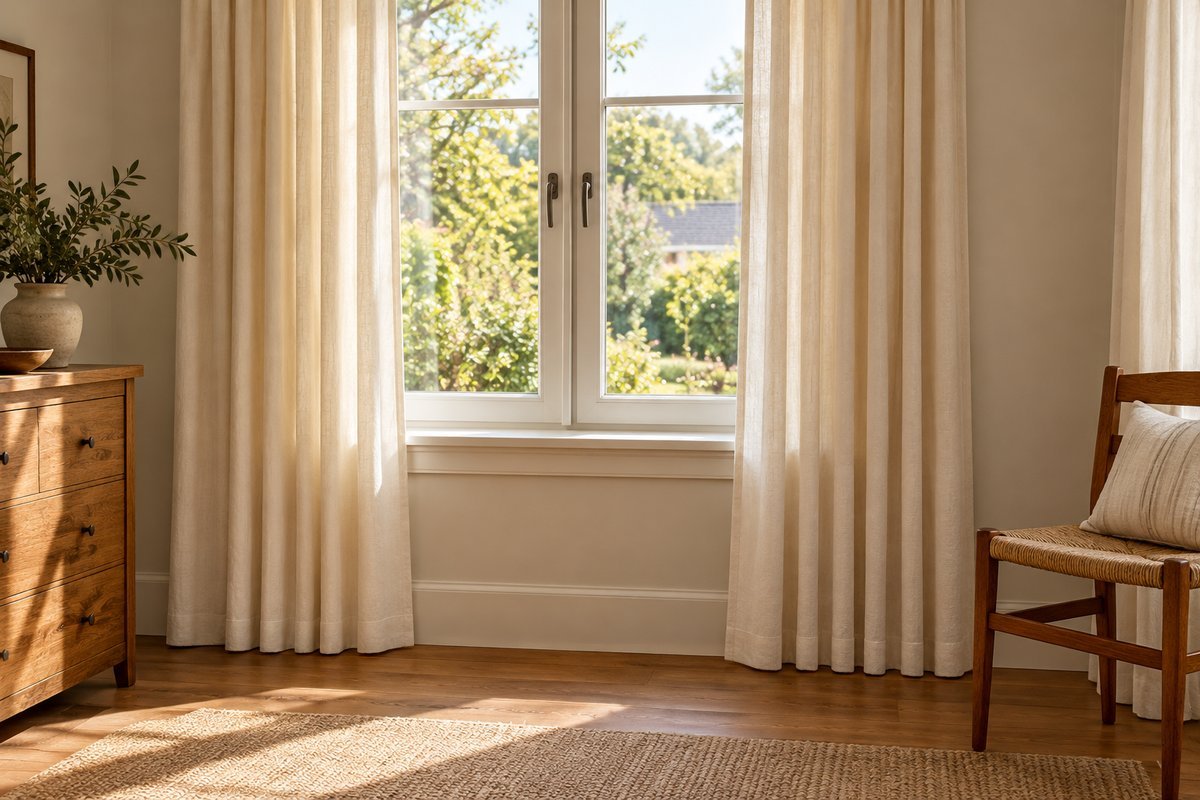
Picture plain curtains framing a window with the handles clear and the lower edges arranged as intended. A small chair nearby stays outside the curtain’s movement. The window looks finished through neat folds and simple fabric, without extra ties or layers crowding the opening.
Open and close the curtains and window as you normally would. Check for catching, dragging, or fabric near heat sources. Follow care labels before washing or pressing. If a pole or track is loose, have it fixed appropriately before focusing on the folds. You may only need to adjust how the fabric hangs. If a different length is needed, measure carefully rather than guessing from a picture of another room.
6. A Small Artwork Repositioned Where It Can Be Seen Close Up
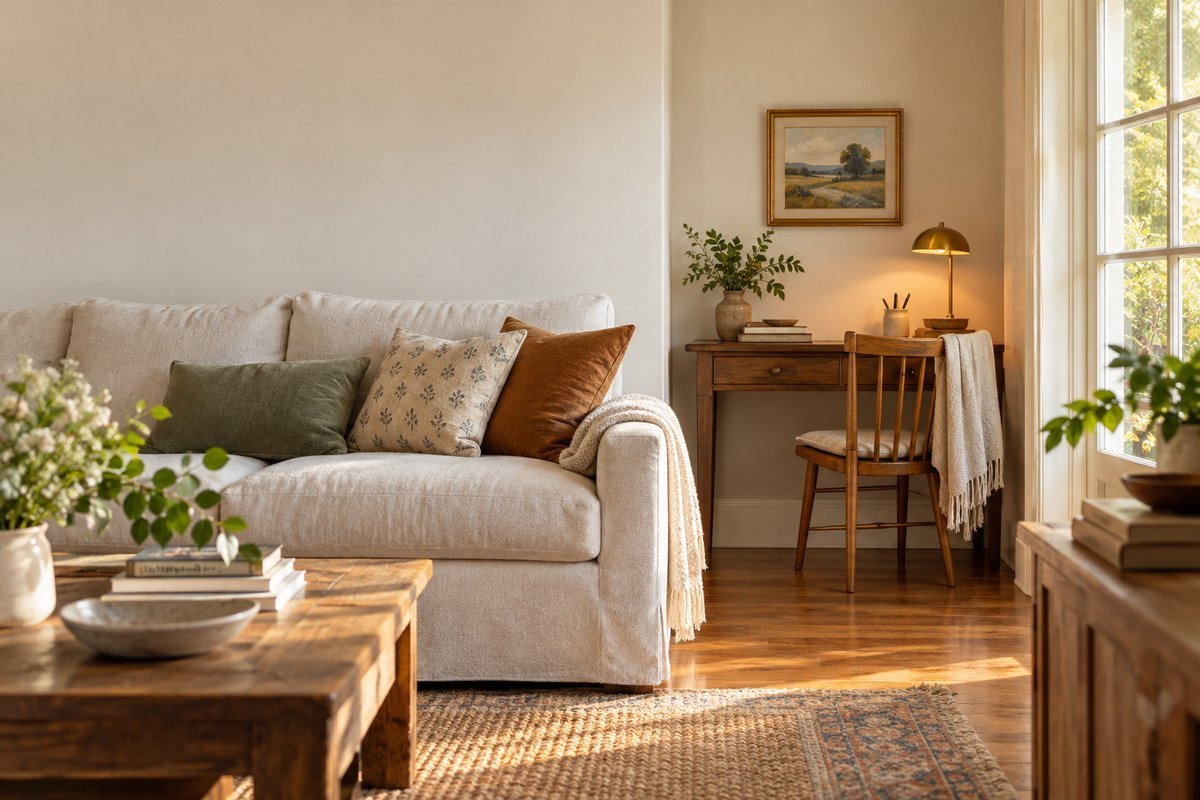
A detailed small picture may feel lost above a large sofa. Imagine it moved to a quiet wall beside a desk, where someone can pause nearby. The sofa wall stays clear while a larger future choice is considered. The picture has not become less important; it now has a setting that suits its size.
Test the new position with a paper outline and use appropriate fittings. Check that the desk chair or nearby door will not hit the frame. If the original wall feels bare, live with it before buying a set of small pieces to fill the gap. A single larger work might suit it, or it may need no art at all. Place pictures according to viewing distance and what you enjoy seeing.
7. A Clear Route Between a Living-Room Door and the Sofa
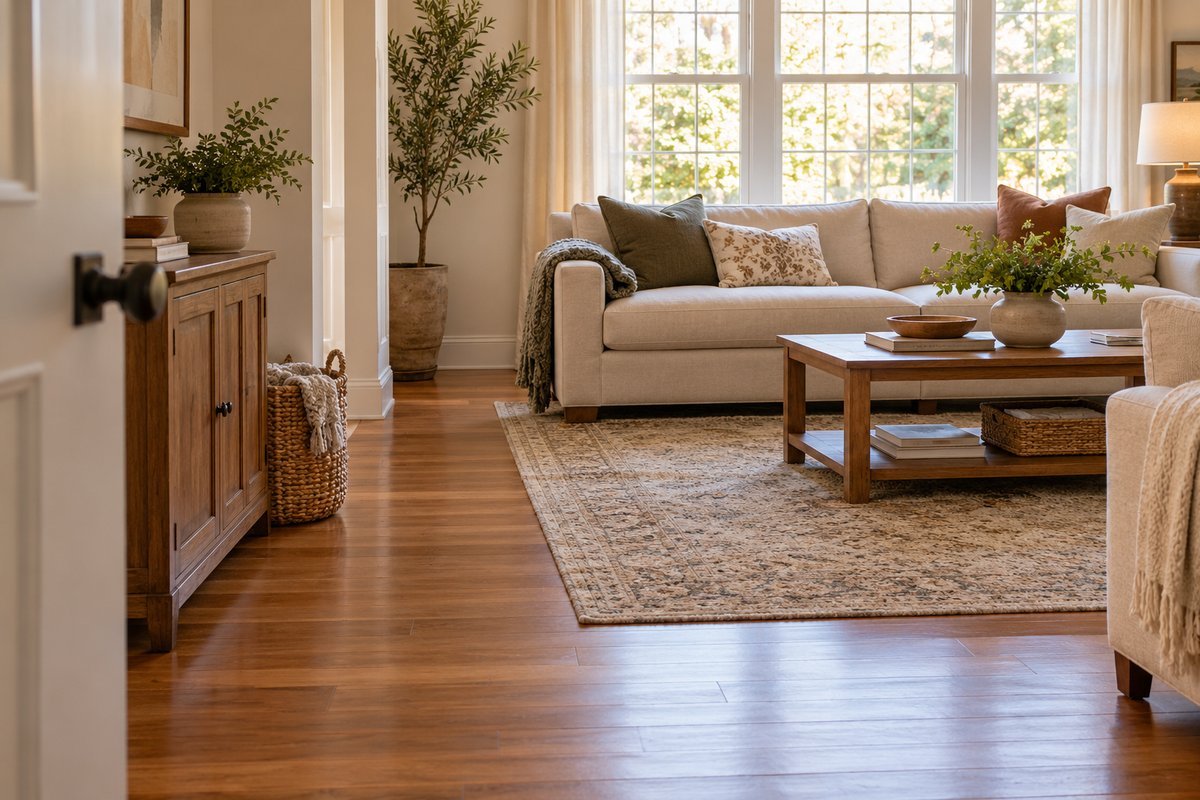
Picture a living room where a small stool has moved out of the route from the door. The sofa, coffee table, and rug remain, but the way into the seating area is clear. A basket sits fully beside a cabinet rather than at the edge of the path. The change uses less furniture in one spot.
Walk through carrying a laundry basket or tray to test the route. Open nearby doors and drawers, and check rug edges. Do not improve one path by blocking another. If a piece has no useful place after moving, store it appropriately or consider whether it is still needed. A layout should work when people are seated and when the room is busy, not only when everything is pushed neatly against its neighbor.
8. A Bedroom Lamp Positioned for the Person Using It
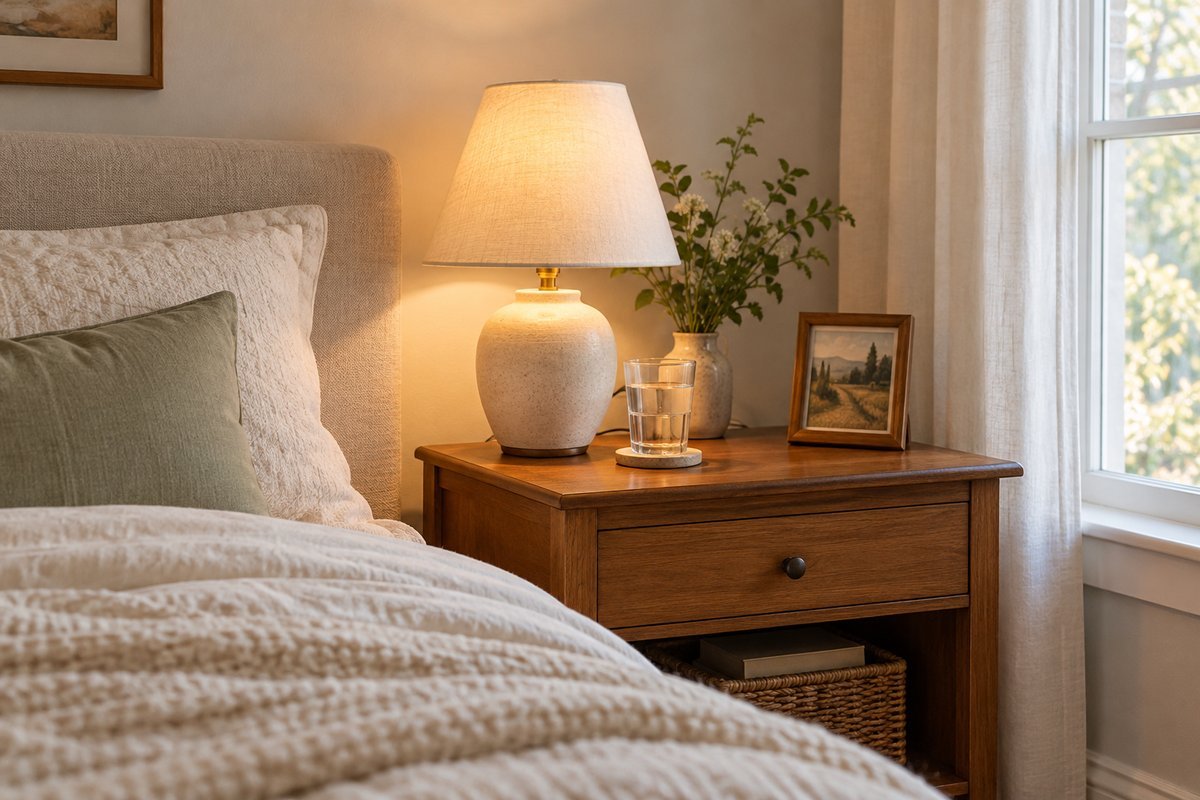
A bedside lamp can look balanced and still be awkward to reach. Imagine a simple lamp moved toward the accessible side of a bedside table, with a clear place for water beside it. The switch is easy to use from the bed. One small framed photo sits on the far side, away from the practical area.
Test the reach from your usual sleeping position. Keep the lamp stable and the shade clear of fabric according to its instructions. Do not stretch cables across a route or tuck active electrical equipment into unsuitable spaces. If the lamp cannot provide useful light safely from that table, choose a different position or suitable fitting. Matching the other side of the bed is less important than making each side comfortable for its user.
9. A Paint Sample Board Beside the Room’s Main Fabrics
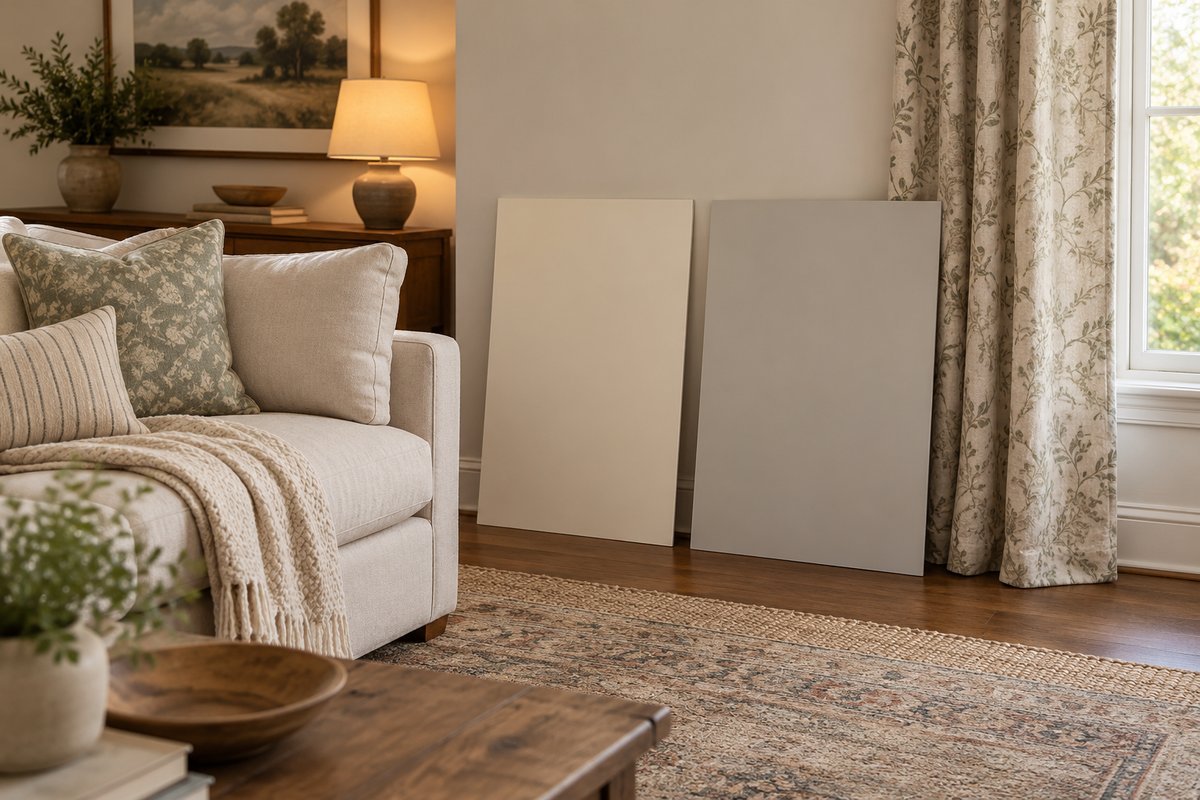
Before painting a whole room, picture two large sample boards beside the existing sofa and curtain fabric. One shade is warm cream and the other a soft gray. Keep them in the room long enough to see both daylight and evening light. The scene is a useful pause before making a permanent change.
Use samples in line with the paint maker’s directions and let them dry fully. Compare them with flooring, woodwork, and the fabrics that will remain. A shade you like on a screen may look different in the room. Choose based on that whole setting rather than a color name. If neither sample works, try another small test. Taking time here is easier than planning the rest of the room around a wall color you do not enjoy.
10. A Console With One Personal Object and Space Around It
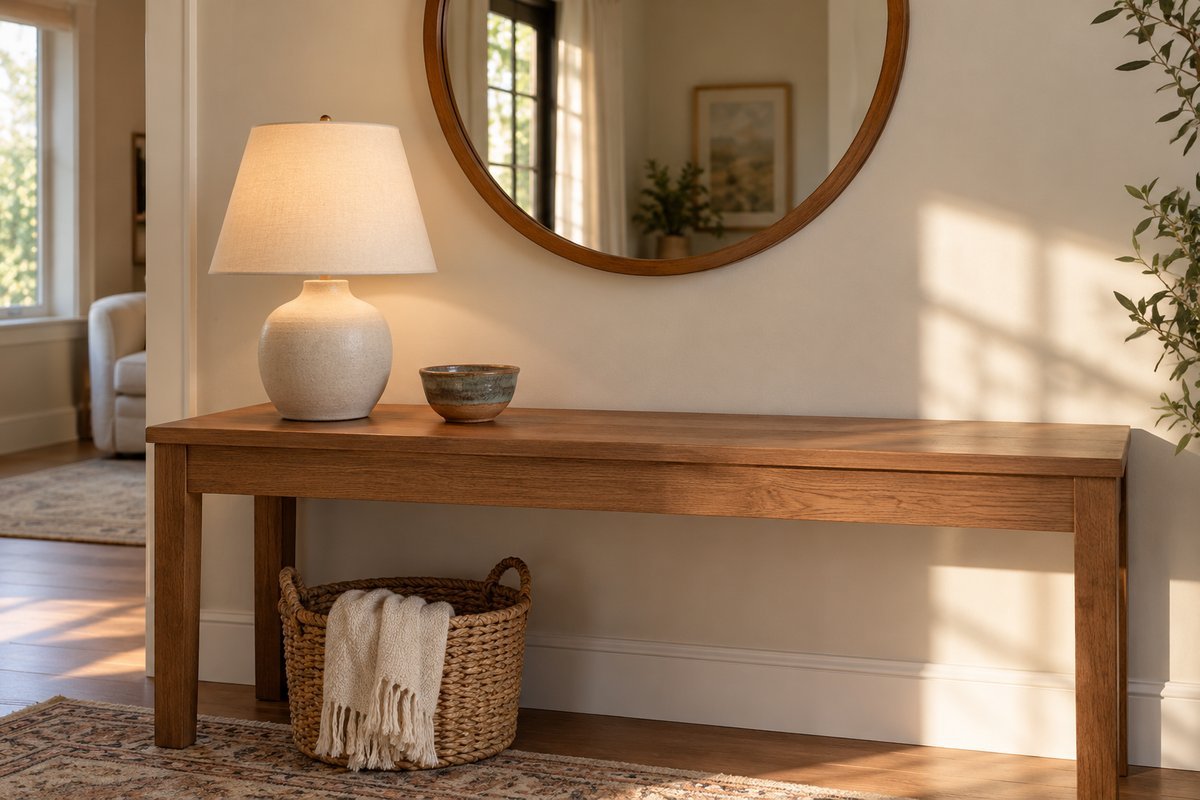
A console can feel more welcoming with one meaningful object than with several unrelated decorations. Picture a small ceramic bowl from a favorite trip beside a simple lamp. The wall above has one plain mirror, and part of the console stays empty. The personal object has a clear place without turning the surface into a crowded collection.
Choose an item you like seeing, then check its scale beside the lamp and mirror. Keep fragile pieces away from busy edges. Use appropriate fittings for the mirror and leave access to drawers. You do not need to explain a theme through every object. If the console is also used for keys or mail, give those items a contained place and review them regularly. Personal style works best when the surface remains useful.
Fix the Interruption First
Spend a few minutes using the room and note what makes you stop or adjust. A table may be too far away, a drawer blocked, or a decorative object in the place you need to set something down. Choose one interruption and try a reversible change. Move an existing piece or remove an extra before shopping.
Use the new arrangement through a normal week. Notice whether it stays comfortable and whether things return to their places. If the change does not help, undo it and test another option. Decorating does not have to mean finding faults with everything you own. Small practical adjustments can let the pieces you already enjoy work better together, leaving you with a room that feels easier to live in.
Common Questions
How can I fix an awkward room without buying new furniture?
Start with a problem you notice during daily use. Move a table within reach, reduce cushions, clear a walkway, or simplify a crowded shelf. Try one change at a time so you can tell whether it helps.
How do I know if a decorating change works?
Use the room as usual. Sit down, reach for the light, open doors and drawers, and walk through with the things you normally carry. Keep the change if those routines become easier and the arrangement remains comfortable.
Should I choose paint before or after furniture and fabrics?
If you are keeping your furniture and curtains, compare paint samples with those pieces before deciding. Let the samples dry as directed and view them in daylight and evening light. This helps you choose a shade that works with the room you already have.
Related Ideas
For more changes using what you already own, explore our no-buy decor ideas. For seating routes and furniture placement, try these open living room layout ideas. If paint is your next step, compare our warm modern home color pairings.