
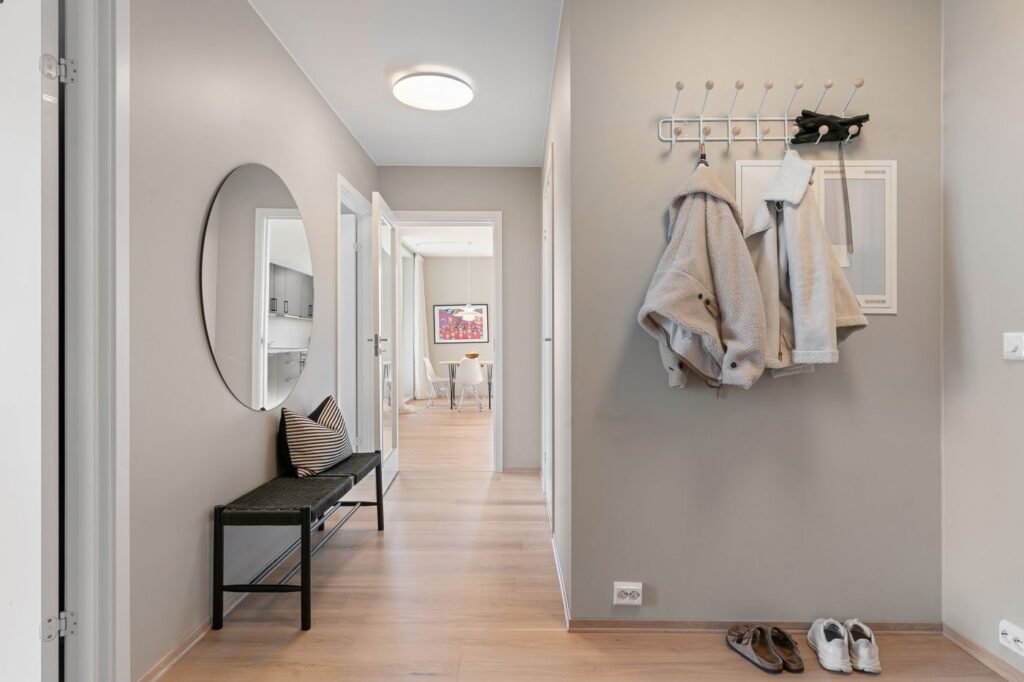
The first few minutes of a holiday visit can fill an entryway faster than expected. Someone is taking off boots, another person is holding a dish, and coats are already landing on the nearest chair. In a small home, the entrance may also be the route to the bathroom, kitchen, or stairs.
A little planning can make those arrivals easier without adding permanent furniture or giving the whole hallway to guest storage. These twelve holiday entryway organization ideas focus on what people bring, where they can put it, and how everyone can get through the space comfortably. Start with the busiest part of your entrance and work outward.
1. Test the door swing and the route into the house
Open the front door fully and walk through the entrance while carrying a bag or a covered dish. Notice where you naturally pause, turn, and set things down. A narrow table may look suitable against the wall but become awkward when someone stands in front of it.
Keep the doorway, stair treads, and the route through the home clear. Storage should not block doors or windows needed for escape. If a rack, basket, or decorative display makes people turn sideways to get past, find another location rather than treating the entrance as the only possible storage area.
Repeat the check with another household member standing where a guest would remove shoes. That small change can reveal congestion a photograph misses. Our hallway decor ideas offer more examples of keeping a passage useful while adding a little character.
2. Move everyday overflow before adding guest belongings
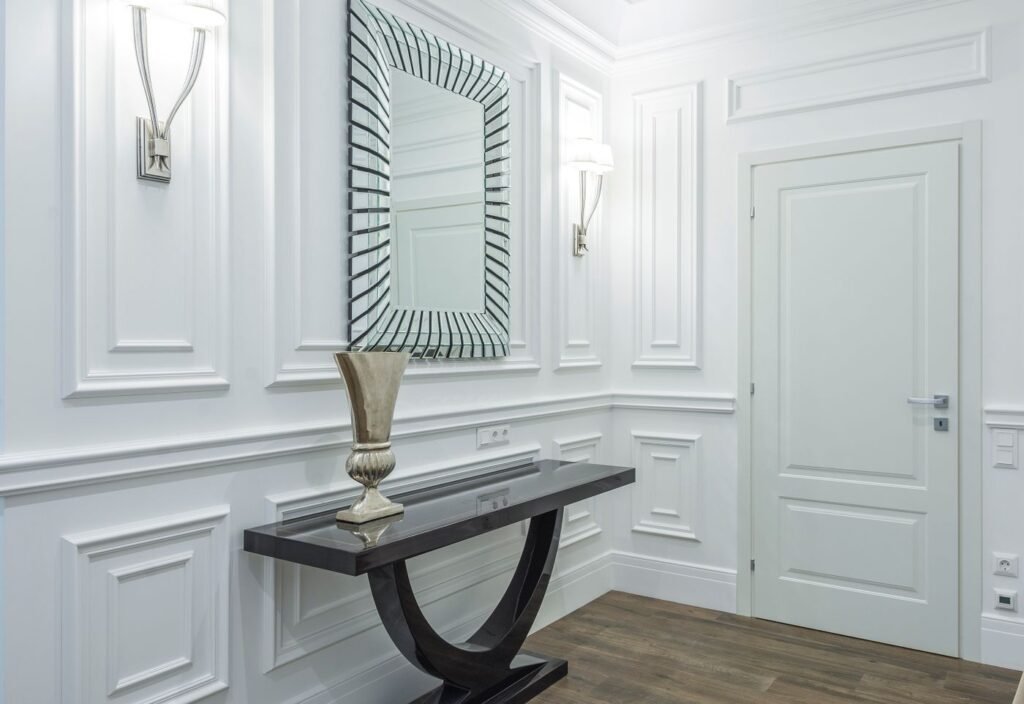
Clear the entrance of things that do not need to be there during the visit: returns, extra shoes, shopping bags, and jackets nobody is wearing that day. Put them in a sensible temporary home where you can find them again. Hiding everything behind the nearest door only moves the sorting problem.
Keep the household’s actual essentials accessible. You may still need one coat, a pair of outdoor shoes, and the dog’s walking supplies. A small defined space for those items is easier to manage than insisting the entryway stay completely empty.
Look at the room with a guest’s belongings in mind. A hook rail filled with family coats has no spare capacity, even if it looks tidy. Creating usable empty space is more helpful than arranging the existing pile more attractively.
3. Choose a mat that fits the entrance and stays flat
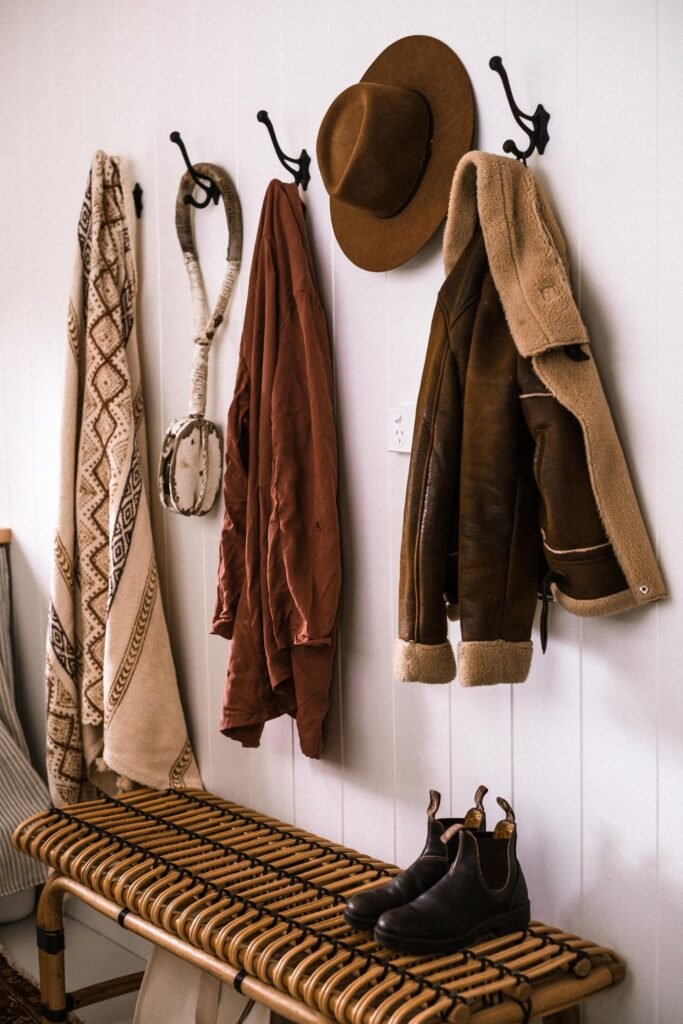
If guests may arrive with wet or dirty footwear, prepare a suitable mat where they first step inside. Check its placement with the door open and closed. A mat that bunches under the door or curls at the corners creates an obstacle at the exact point where people are turning and carrying things.
Choose a mat and any backing appropriate for your floor, following their care instructions. Do not assume a decorative rug is suitable for a wet entrance. Check that it stays in place, and clean up tracked-in water rather than expecting the mat to handle every spill.
Keep the surrounding floor visible and clear. A mat should define the arrival area, not become a place to stack shoes, gift bags, and parcels. If there is no room for both a large mat and shoe storage, simplify the shoe arrangement.

4. Give guest shoes an obvious place beyond the doorway
In a shoes-off home, point out the shoe spot as you welcome people. A low rack, suitable tray, or cleared section of floor away from the walking route can work. Make the arrangement easy to understand without requiring guests to search through a cupboard.
Estimate how many pairs will arrive and include bulky footwear. A shelf that holds several light sneakers may accommodate fewer winter boots. Avoid making a tall or unstable pile, and keep stair steps free.
Tell guests about your usual preference in advance when that would help them prepare. Be considerate of anyone who needs supportive footwear or finds changing shoes difficult. The aim is a comfortable welcome that suits the people visiting, rather than an entryway routine everyone must manage in exactly the same way.
5. Offer a stable seat for changing shoes
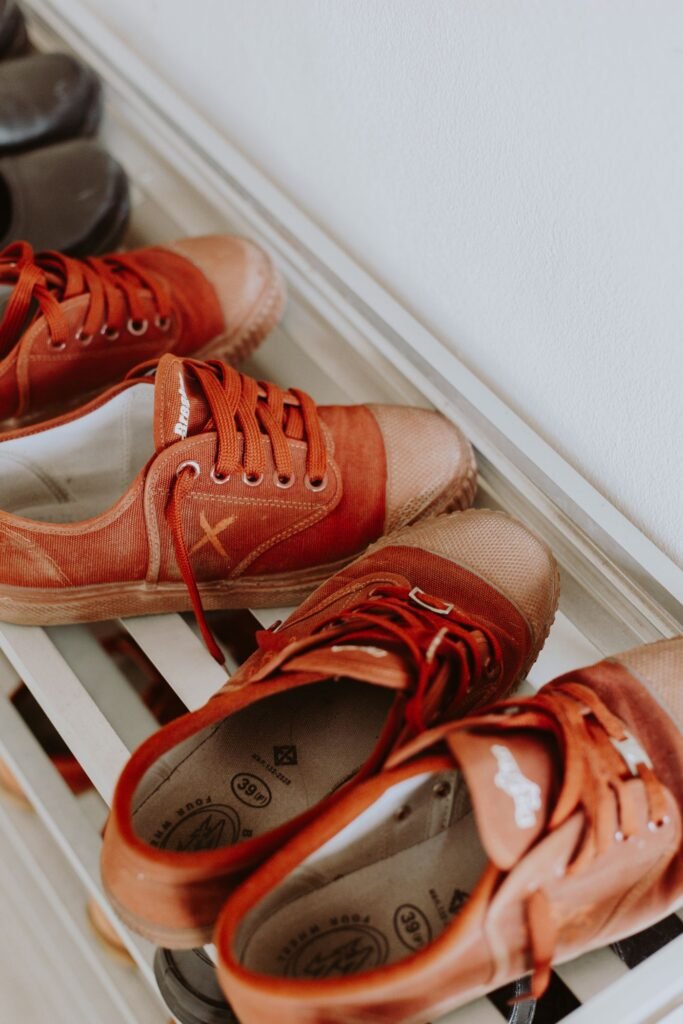
A clear bench or suitable chair can make taking off and putting on shoes easier. Place it where the person using it has room for their feet without blocking the door. Check that it is designed for sitting and is stable on the floor.
Keep the seat available. If it is covered with baskets, cushions, and guest bags, it cannot do its main job. Move decorative extras elsewhere for the visit and put any shoe storage where the seated person can reach it comfortably.
A seat does not have to live in the entrance year-round. Borrowing an appropriate chair for a gathering may be enough. If the entryway is too narrow for one, offer a seat just inside an adjoining room and show guests where it is.
6. Clear real hanging space in the coat closet
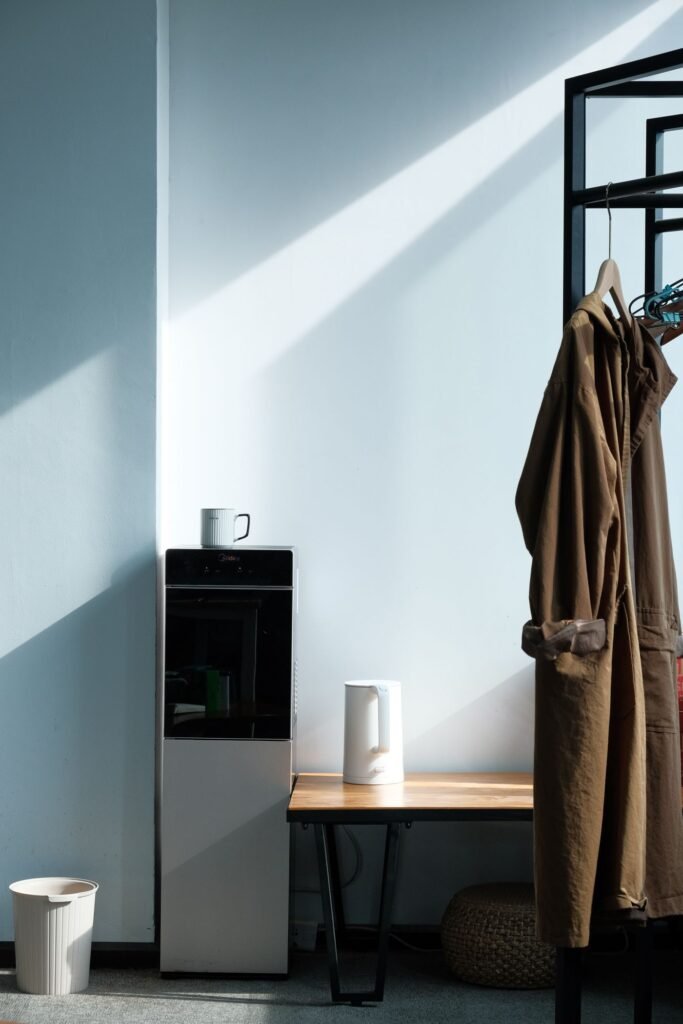
Make room in the existing coat closet before bringing out another storage solution. Move a few household coats to another suitable location and leave empty hangers ready. Check the space with bulky outerwear in mind rather than counting how many bare hangers fit on the rail.
Keep the closet floor usable, too. If a guest has to balance on shoes or lift a bag out of the way to hang a coat, the storage is not ready. Put any household items you will need during the visit within reach before guests arrive.
Show people where their coats are going, especially if the closet is not beside the front door. A quick explanation also prevents guests from feeling they need to keep everything on the back of their dining chair.

7. Use an overflow rack only where there is room for it
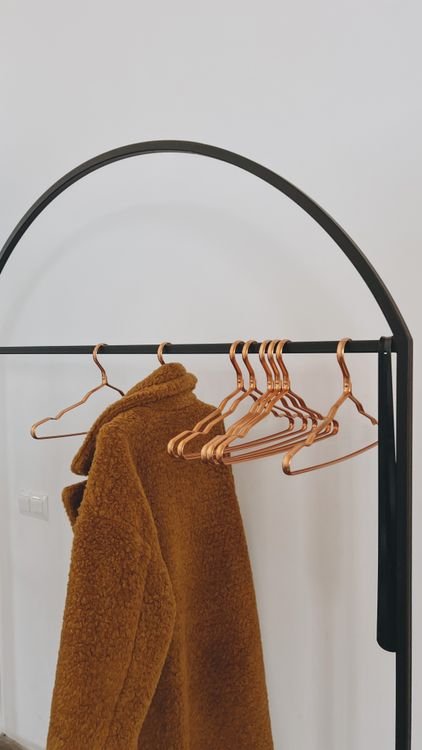
For a larger gathering, a suitable freestanding garment rack may hold coats that will not fit in the closet. Borrow one if possible, and check its instructions, stability, and load limit. Try it with coats on it before deciding where it will stand; loaded clothing extends beyond the empty frame.
Choose a low-traffic spot inside your home where people can collect coats without blocking a route. That might be an adjoining room rather than the entrance itself. Keep the route to it clear and avoid putting a temporary rack in a shared building hallway.
An extra rack is an option, not a hosting requirement. If there is nowhere appropriate for it, use the hanging space you have and help guests with another agreed coat location. More storage furniture does not always create more usable space.
8. Separate guest bags from the place people sit
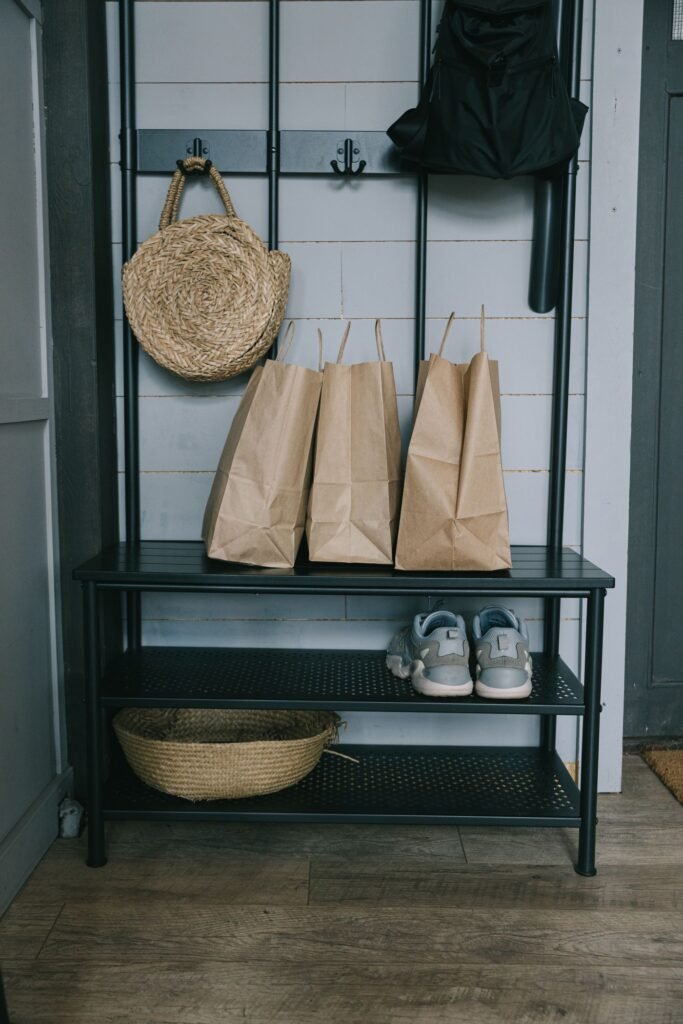
Offer a cleared shelf, a suitable bench section away from the changing seat, or another defined spot for handbags and totes. Guests often want these belongings accessible during the visit, so explain the location instead of moving everything out of sight.
Ask before putting a bag in another room. Someone may need a phone, medication, or other personal item inside it. Let guests keep valuables with them if that is their preference.
Move larger items, such as overnight luggage, to the place arranged for them rather than leaving them in the entrance. If visitors are staying the night, our overnight guest hosting ideas include ways to reserve space for their everyday belongings.
9. Leave a small landing place for keys and pocket items
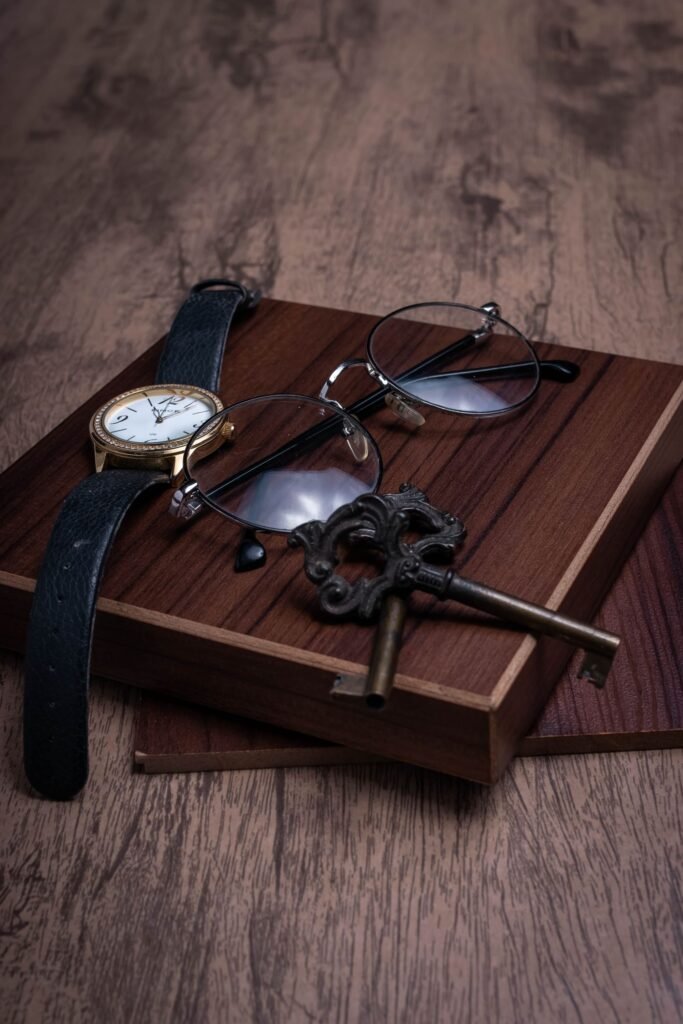
A shallow dish or tray on an existing surface can hold keys and small belongings while someone removes a coat. Position it where it is easy to see and reach, with enough clear surface around it to avoid knocking things off.
Keep this spot small and purposeful. It does not need the household’s mail, receipts, chargers, and seasonal decorations as well. If several guests use it, suggest that each person keeps their keys with their own bag rather than creating one confusing pile.
You do not need to buy a console table for this task. A suitable existing shelf or nearby side table may be enough. If you want a festive touch after the practical space is ready, our Christmas entryway decor ideas show simple seasonal details.
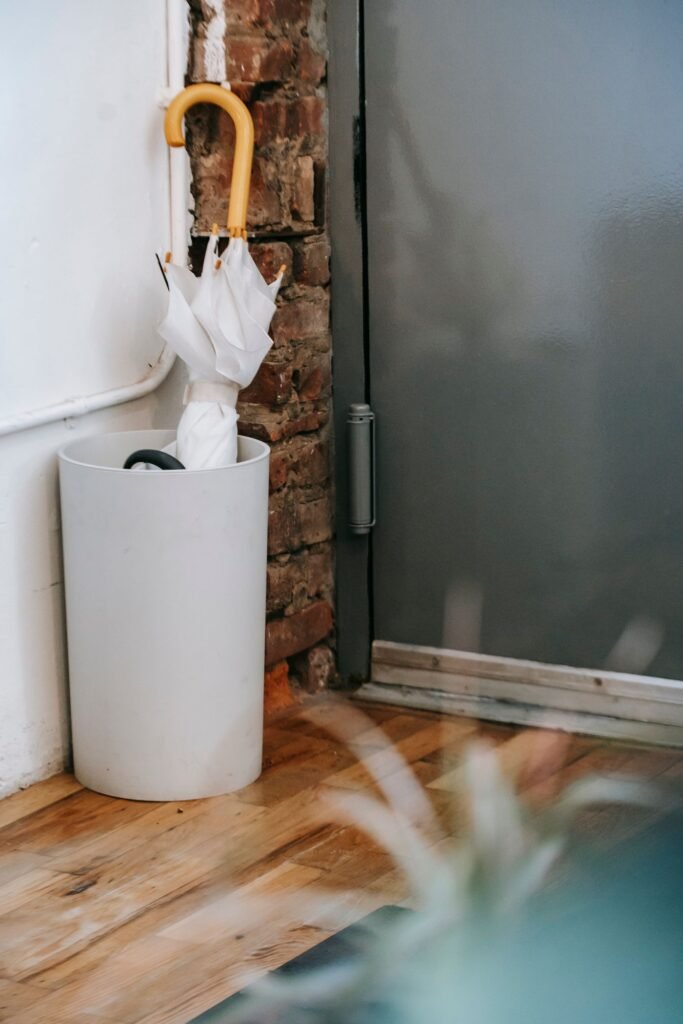
10. Plan where umbrellas and damp outerwear will go
Give wet umbrellas a suitable place that can contain drips without tipping over easily. Check that it fits outside the walking route and will not leave standing water against a floor or piece of furniture that should stay dry.
Keep wet items separate from dry guest belongings where practical. A soaked coat draped across someone’s handbag or a pile of scarves creates an avoidable problem. Ask the owner how they would like a delicate or unusual item handled, and follow relevant garment care instructions.
Check the area during the visit if the weather is wet. Empty collected water and deal with puddles as needed. A container can help organize arrival, but it does not remove the need to keep the floor dry and the route clear.
11. Check the lighting for both arrivals and departures
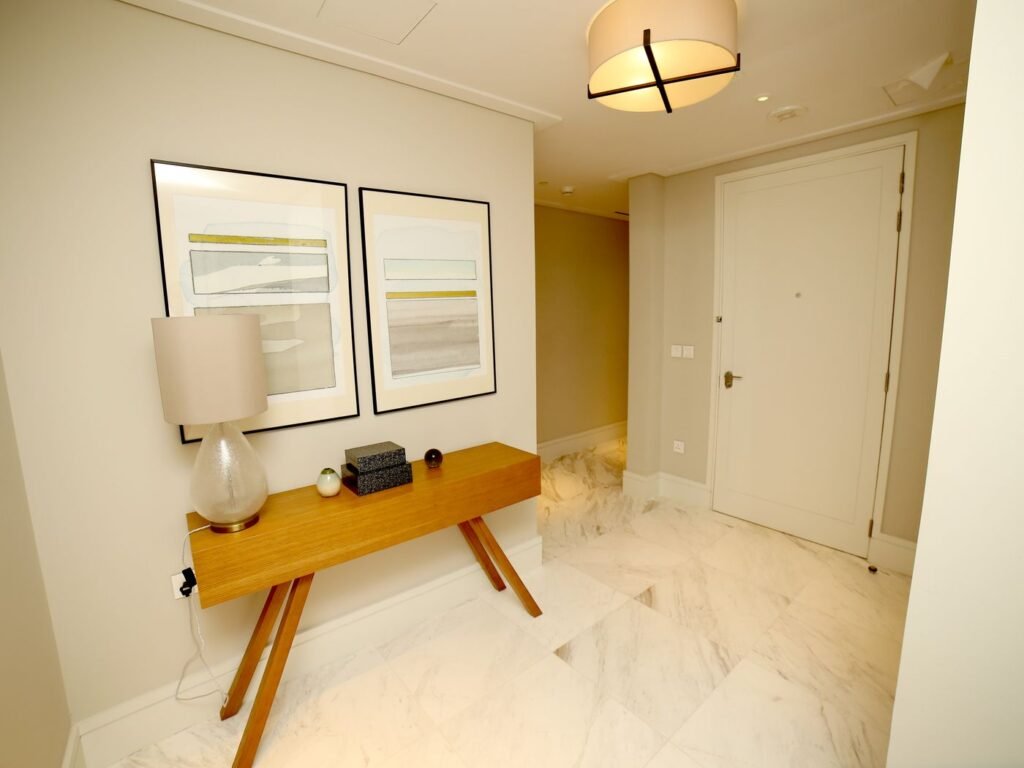
Look at the entrance after dark, not only in daylight. Check that guests can see the threshold, the shoe area, and the place where they will find their coats. Turn on existing lights before people arrive and keep the useful lighting available until they leave.
If you use a lamp, place it on a stable surface and keep its cord out of the walking route. Follow the fixture’s instructions rather than improvising a temporary electrical setup. An existing overhead light may be all the space needs.
Avoid filling the entrance with extra objects simply to create atmosphere. People should be able to identify their belongings and move through comfortably. A welcoming entrance can be simple, especially when coats and bags will soon add their own visual activity.
12. Make departures easy with a brief check during the visit
Have a quick look at the entrance after the first wave of arrivals. Straighten the shoe area, move any bags that have landed in the route, and check whether the original coat plan is working. A small adjustment now is easier than sorting a crowded doorway when everyone is leaving.
Before departure, make sure the changing seat is clear and the coat area is accessible. Bring take-home food or gifts to a suitable nearby spot when needed, while keeping the doorway free. Help one group collect belongings before the next gathers in the same narrow space.
Afterward, check for forgotten scarves, gloves, or umbrellas and return the household’s everyday items to their usual places. Notice what actually caused congestion. That observation can guide the next gathering more usefully than buying a larger organizer.
Make the welcome easy to understand
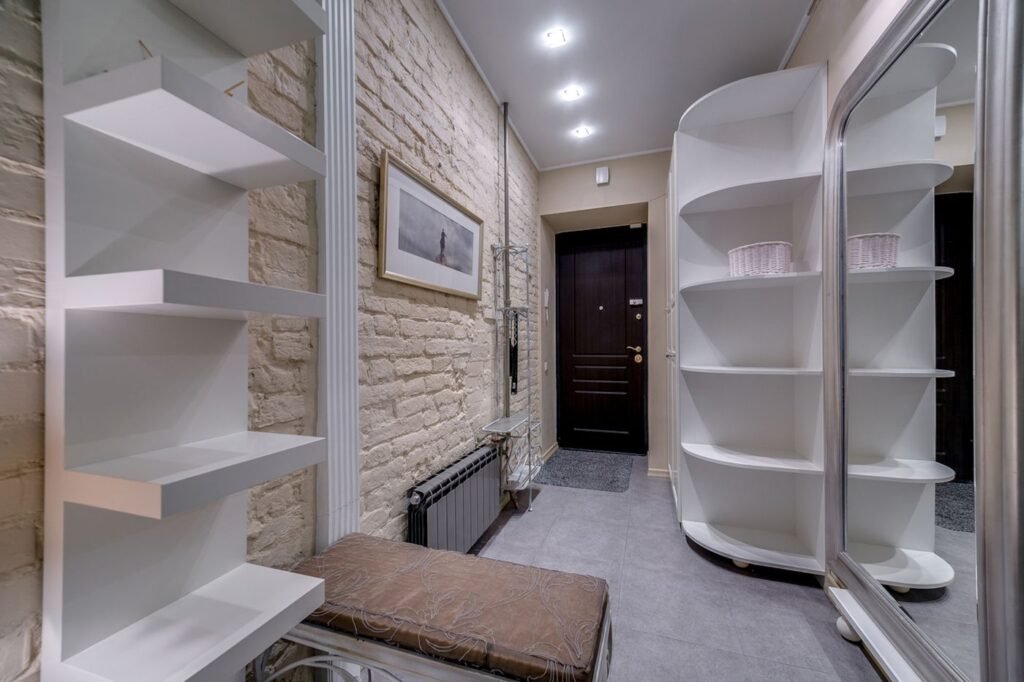
You do not need to turn a small entrance into a full mudroom for one holiday visit. Start with a clear route, then give shoes, coats, and bags a place guests can find. Borrow furniture only when it improves the arrangement.
A warm greeting and a quick explanation can do as much as a new storage piece. Keep the entrance simple enough to adjust as people arrive, and let the rest of the home share the work when the doorway has reached its limit.