
A decoration can fit perfectly on a shelf in December and still become a problem when January arrives. The tree needs a box, the wreath keeps its round shape, and a few new cushions can fill the last usable corner of a closet. In a small home, the space a decoration needs after Christmas matters as much as the space it takes while on display.
These twelve Christmas decorating ideas start with that practical question. Choose the ones that suit how you celebrate, the belongings you already enjoy, and the storage you can actually spare. You can create a welcoming holiday room without committing to a larger collection every year.
1. Choose your storage space before choosing more decorations
Start with the shelf, cupboard, or box where Christmas decorations will live between seasons. Measure its usable space and check that you can reach it without moving everyday essentials. This gives you a real limit to work with instead of a vague plan to find somewhere later. A single box may suit a small collection; a larger collection of meaningful pieces may need more.
Bring out what you own before buying anything. Set aside damaged items and pieces you no longer want to display. Keep original protective packaging for fragile ornaments when it still works. The aim is a collection you can enjoy and put away comfortably, with enough room for protective wrapping rather than a lid that only closes when everything is compressed.
2. Give one small area the main Christmas display
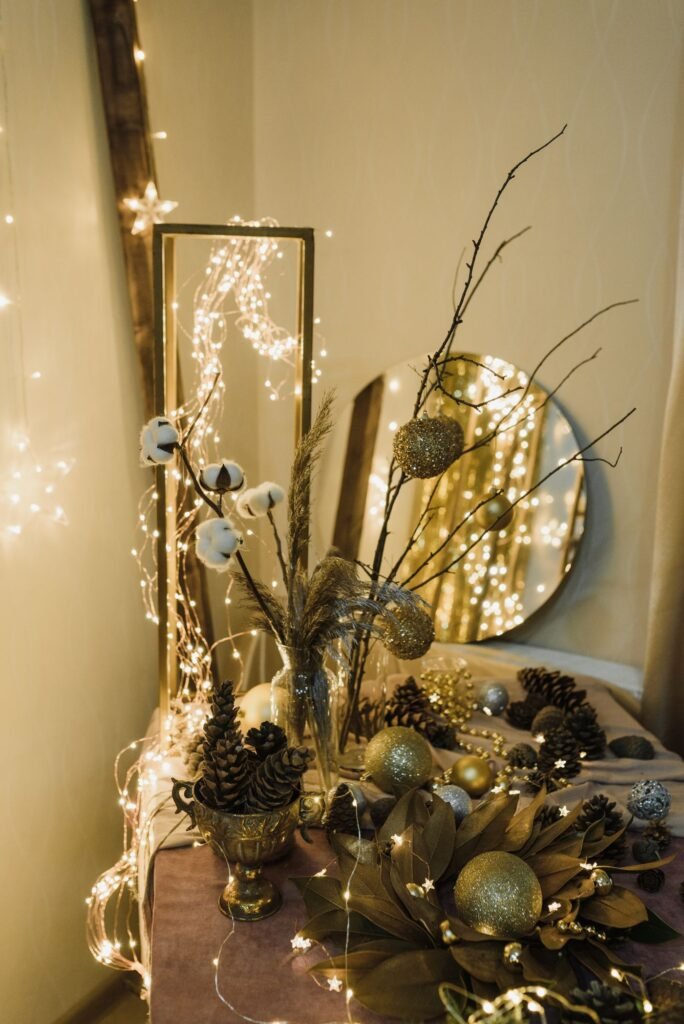
Choose the spot you see most often: the end of a sideboard, a bookcase shelf, or a table visible from the sofa. Group a few favorite decorations there and let the surrounding room stay simpler. A focused display can feel intentional without requiring a separate set of objects for every surface. It also gives you one clear place to adjust when the arrangement feels crowded.
Remove the everyday ornaments from that spot before decorating, and keep them together so they are easy to return. Check that the display leaves room for the table’s regular job. If it holds drinks or keys, preserve that landing space. You can repeat a ribbon color elsewhere without building another full arrangement or buying a matching collection.
3. Check a small tree’s packed size as well as its height
A tabletop tree may solve the floor-space problem, but its base and branches still need somewhere to go afterward. Before choosing one, check how it comes apart, whether the stand is removable, and the dimensions of its storage box. A short rigid tree can be less convenient to pack than a taller one that separates neatly. Display height alone does not tell the whole story.
Use a stable surface that supports the entire base, and keep the tree out of doorways and regular walking routes. A few ornaments you already own may be enough. If choosing a real tree, plan for its care and local disposal rather than treating it as a maintenance-free storage solution. Our small Christmas tree ideas offer more ways to fit a tree-shaped focal point into a compact room.

4. Change cushion covers while keeping the same inserts
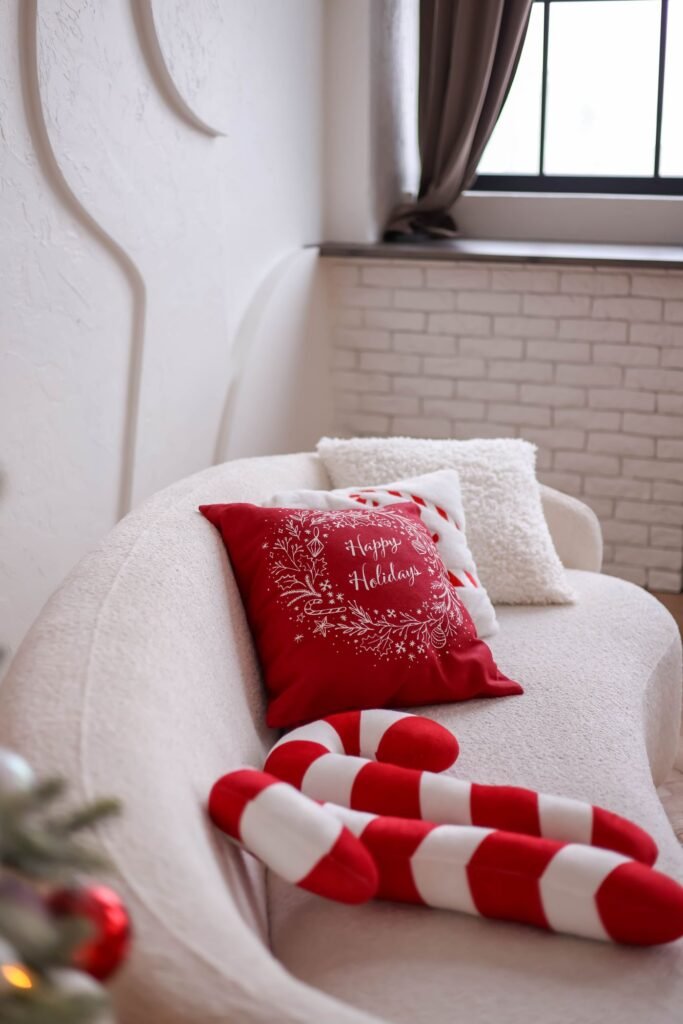
A red, green, checked, or embroidered cover can change the sofa without adding another stuffed cushion to store. Measure the inserts you already use and check the new cover’s stated size and closure. Start with one or two covers rather than replacing every cushion. The familiar sofa stays comfortable, while a smaller amount of seasonal fabric provides the holiday detail.
Look at the care instructions and the back of the cover before buying. Heavy embellishment, rigid trims, and bulky tassels can make an otherwise small cover awkward to fold. After the season, clean and dry it as directed before packing it away. Keep the regular covers together during December so changing back does not become another search through the linen cupboard.
5. Use festive napkins or a runner instead of another centerpiece
Cloth napkins or a narrow runner can bring Christmas color to a table while leaving space for serving dishes. Use the table linens you already have if their colors work: cream with green, a red check, or a simple natural fabric can all feel seasonal beside ordinary dishes. Decide which one textile will make the biggest difference before adding several layers.
Measure the table and consider how you eat there each day. A runner that must be removed for every meal may be less useful than napkins you actually use. Choose textiles that fold into your available linen storage and follow their washing instructions. If the table is small, keep decorative extras modest so the place settings and food still fit comfortably.
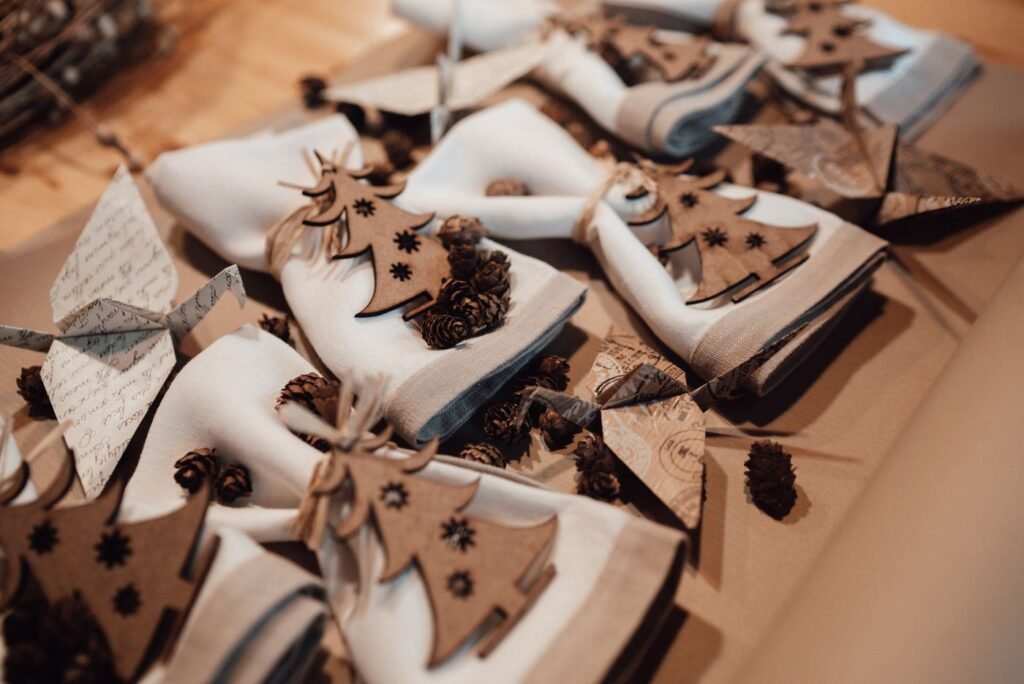
6. Repeat one ribbon through the room
A length of ribbon can connect existing objects without requiring a box of matching ornaments. Tie a bow around a vase neck, add a short piece to a decorative basket, or use it on a few tree branches. Choose one color that suits your room, then repeat it selectively. Deep green, burgundy, or cream can work with furniture and textiles already in place.
Test the ribbon on one item before cutting the whole roll. Keep it away from flames, hot fittings, and anything that needs ventilation, and avoid placing it where it interferes with handles or doors. Save usable lengths on a card or spool afterward. Wired and very stiff ribbon needs more careful packing, so consider the stored shape as well as the finished bow.

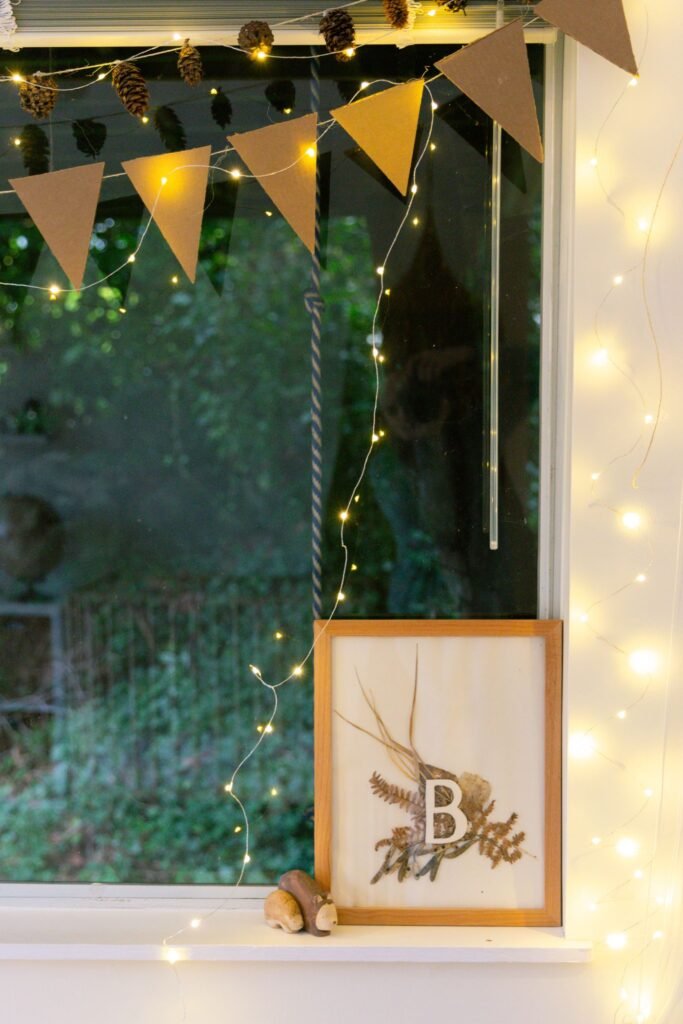
7. Choose paper decorations that fold or store in a flat envelope
Paper bunting, folded stars, and simple cutout shapes can add a noticeable festive detail above an existing surface. Check how a ready-made decoration closes before buying it; some paper pieces fold neatly, while others remain three-dimensional. If making your own, start with a short garland or a few shapes that fit in an envelope rather than covering every window.
Use a suitable hanging method for the surface and the decoration’s weight, following the mounting product’s directions. Keep window operation and exits clear, and place paper away from heat and open flames. Pack reusable pieces dry and flat with their string contained. A handmade item does not have to last forever, but choose materials and quantities you will feel comfortable keeping or disposing of responsibly.
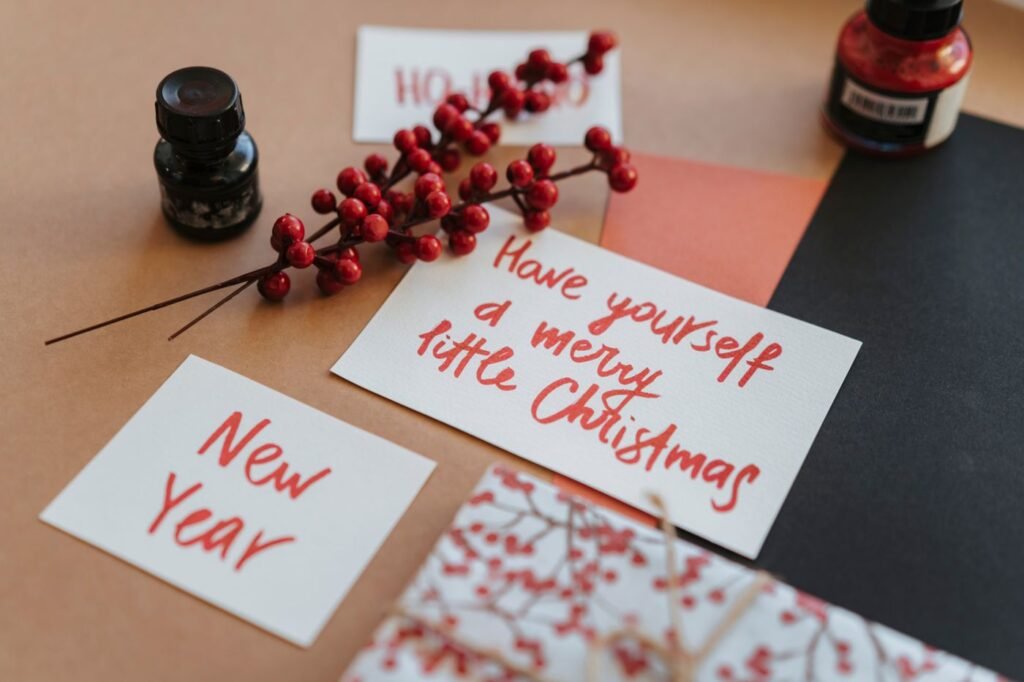
8. Let a few Christmas cards become the seasonal artwork
Cards you receive can provide a changing display without another set of decorative objects. Stand a few on a shelf, use an existing holder, or place a favorite card inside a frame you already own. Select a small group with colors that work together, and rotate them as more arrive. This keeps the display readable and leaves room for the personal messages.
Keep cards clear of cooking areas, candles, and damp windowsills. If you replace a print in a frame, store that print somewhere clean and flat so it can return after the holidays. Decide later which cards are meaningful enough to keep. A small keepsake envelope is easier to manage than saving every card by default and discovering that years of paper have filled a drawer.
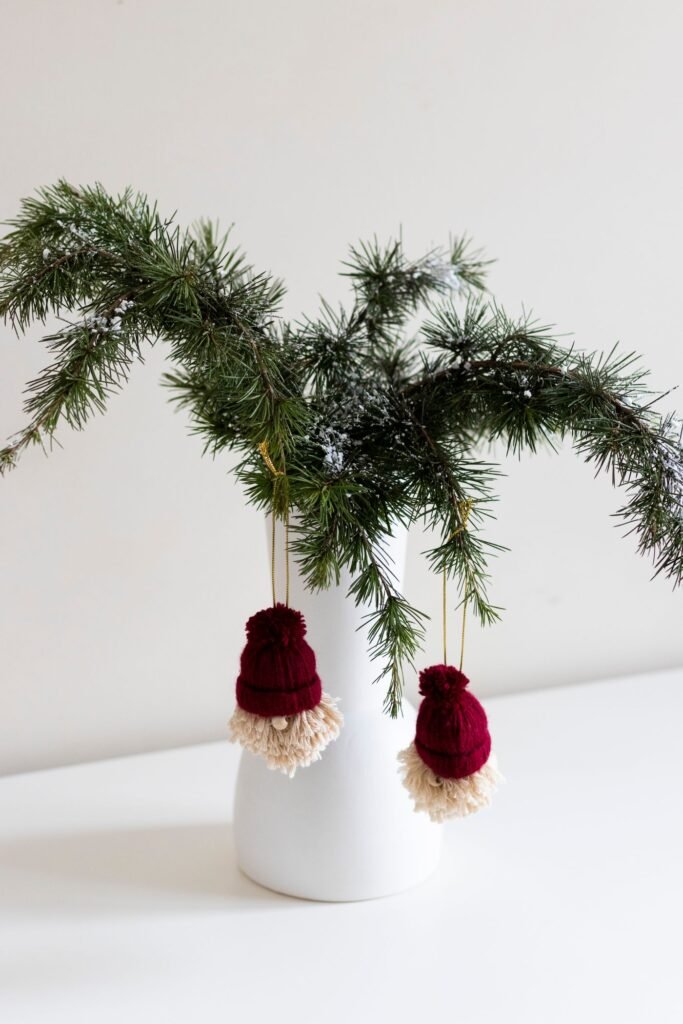
9. Give an everyday vase a short seasonal arrangement
An existing vase can hold a modest arrangement of seasonal greenery instead of a bulky permanent garland. Choose a few stems with enough height and shape to look deliberate, then stop before the arrangement spreads into neighboring furniture. This works especially well when you want a holiday detail on a small table without finding storage for another large decorative object.
Use greenery appropriate for your household, keeping plants and small ornaments away from children or pets who might handle or chew them. Protect the furniture from water and keep the arrangement away from heat and flames. Remove fresh stems when they dry out. Faux stems need storage too, so check their length and flexibility before assuming they will fit in your Christmas box.
10. Display favorite ornaments in a bowl you already use
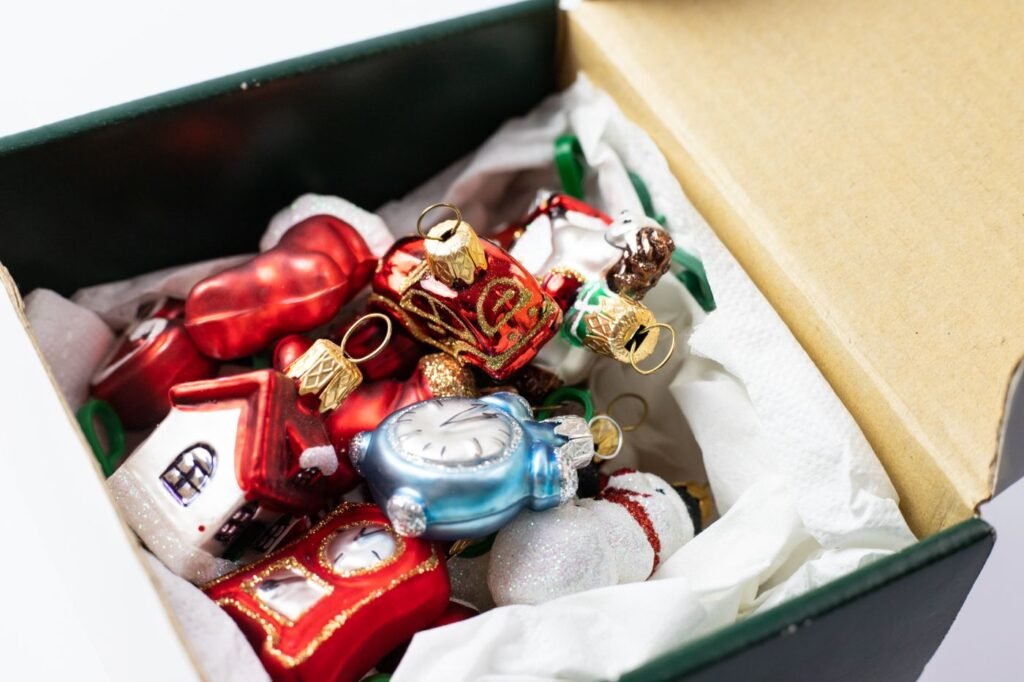
A few ornaments can become a display even when you are skipping a tree. Arrange them in an existing decorative bowl or tray and choose a location where they will not be knocked over. A small group can show off pieces that disappear among crowded branches. Use sturdy ornaments where the display is accessible, and reserve delicate keepsakes for a protected spot.
Check the fit with the actual bowl rather than buying enough ornaments to fill an imagined arrangement. Leave room to lift pieces out without squeezing them together. When Christmas ends, the bowl returns to its ordinary place and only the ornaments need packing. Keep their hooks together and use appropriate protective wrapping; the display bowl is not automatically a safe storage container for fragile pieces.

11. Put a festive mug into the everyday rotation
If you already own a Christmas mug, use it during the season instead of adding another ornament beside the kettle. One favorite cup can make breakfast feel different while still doing an ordinary job. Keep it where you normally reach for mugs rather than building a separate drinks display that takes over a useful section of counter.
If buying one, check that it fits your cupboard and how you wash and use it. Unusual handles and sculpted shapes can make a mug awkward to store beside your regular cups. Avoid acquiring a full set when one or two would suit the household. Choose whether it will stay in the cupboard year-round or replace another mug temporarily, with a clear place for whichever one is out of use.

12. Use one light display instead of several illuminated ornaments
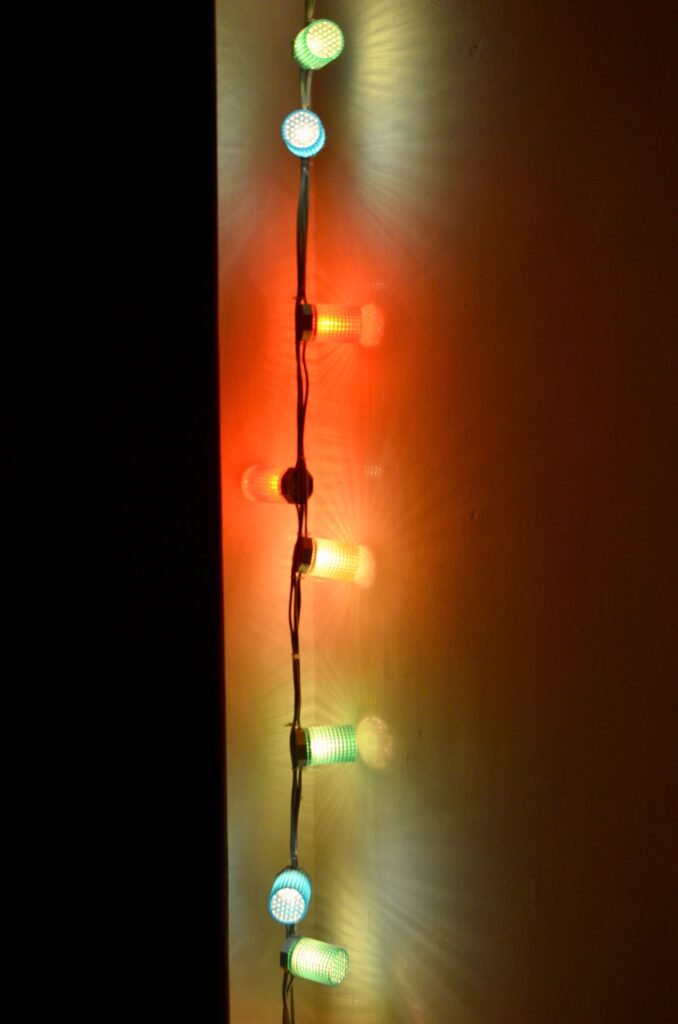
A single string of decorative lights can provide an evening focal point without a collection of light-up houses and figures. First decide where it will go and how the cord will reach the outlet without crossing a walking route. Check the full product dimensions, including its plug or controller, because those parts also need room when you pack it away.
Use lights labeled for the intended location and tested by an independent safety laboratory. Check for damaged wires or sockets and follow the manufacturer’s installation and connection limits. Turn decorative lights off before bed or leaving home. After the season, unplug and pack the set without tight kinks, keeping its instructions together. Choose an arrangement you can install and remove safely without moving furniture into an awkward climbing position.
Keep the Christmas details you will enjoy bringing out again
You do not need all twelve ideas in the same room. Start with the storage you can spare, choose the few details that matter most, and leave enough space for everyday life. A favorite ornament, a useful textile, and one welcoming display can create a Christmas feeling that belongs to your home.
Before packing everything away, take a quick photo of the arrangement you liked and note anything that was difficult to store. That small record can guide next year’s choices. If ribbon, tags, and gift bags also need a home, our gift wrapping organization ideas can help you keep those supplies together.