
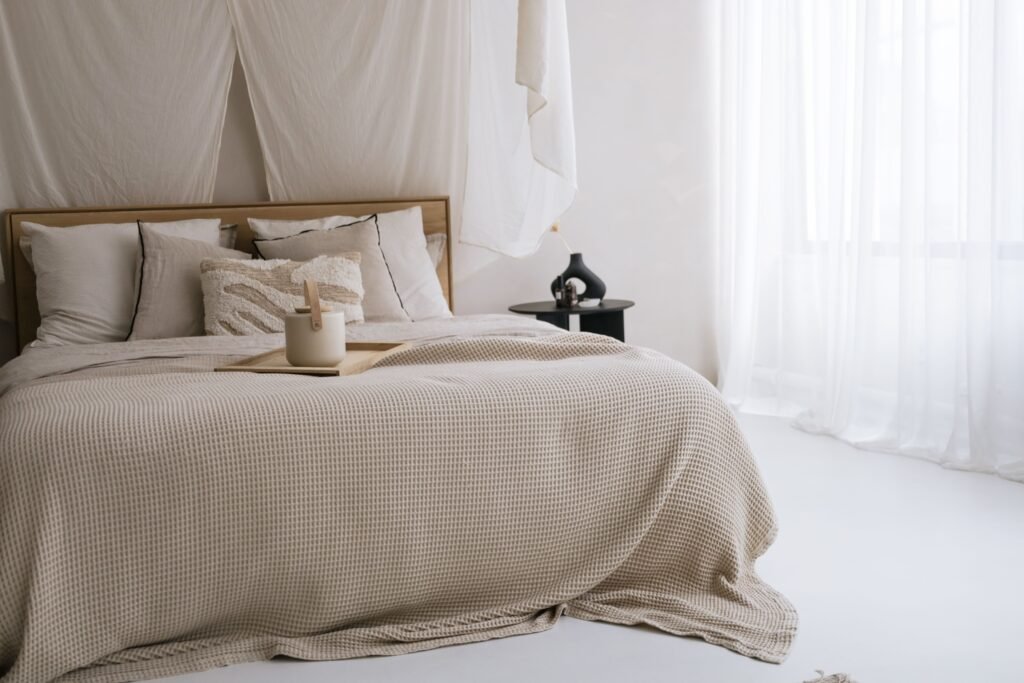
Neutral interiors can feel layered and personal rather than plain. The trick is to work with texture, undertones, light, and objects you genuinely enjoy seeing.
Before purchasing new decor, identify the largest colors already in the room: floors, upholstery, walls, and wood finishes. Build on those rather than trying to copy a photograph exactly.
Simple ideas to try
1. Start with the undertone of your existing room
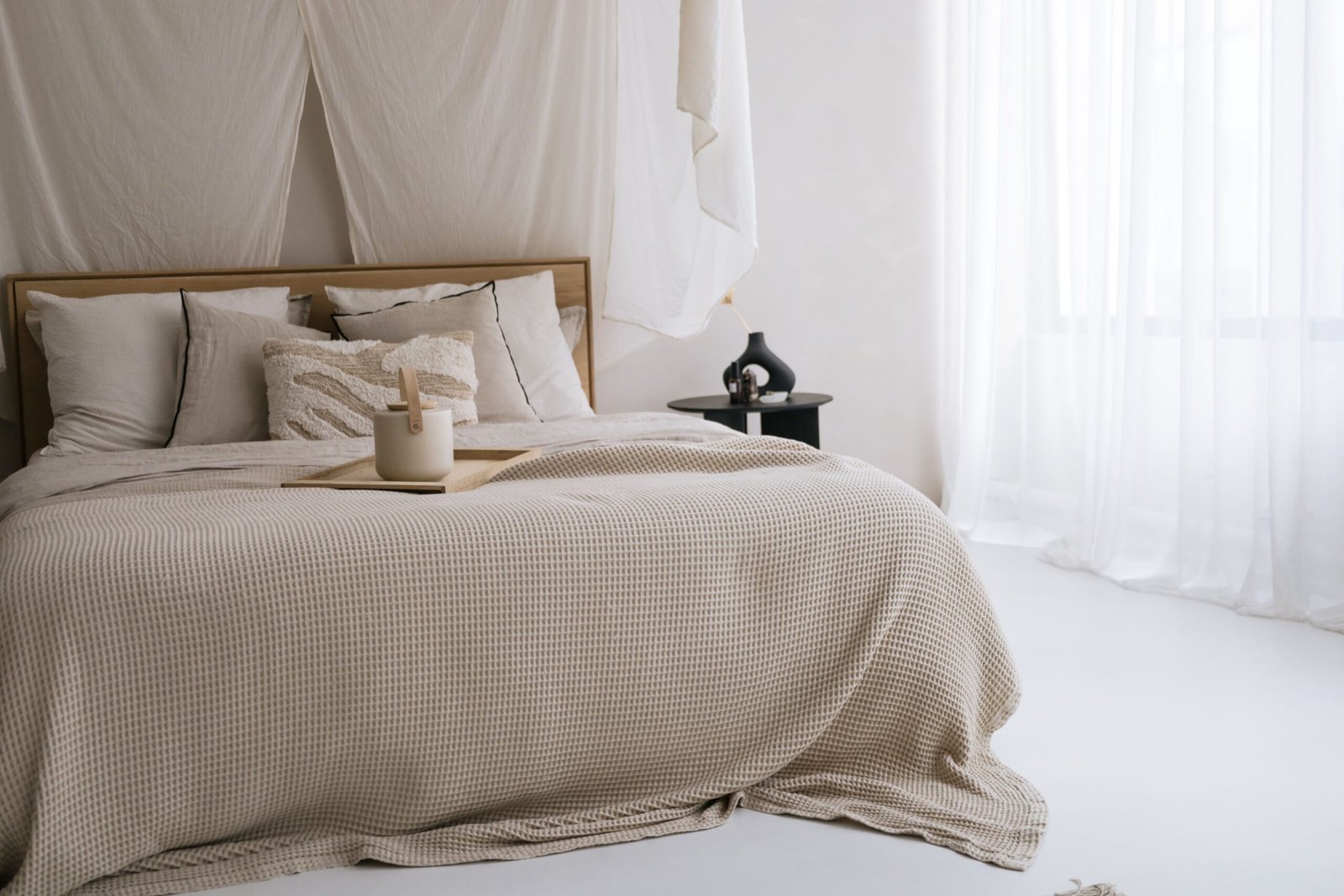
Warm wood and cream upholstery often sit comfortably with oatmeal, sand, soft terracotta, or muted olive. Cool grey flooring may need a different balance. Compare sample colors in both morning and evening light.
2. Add contrast with dark accents
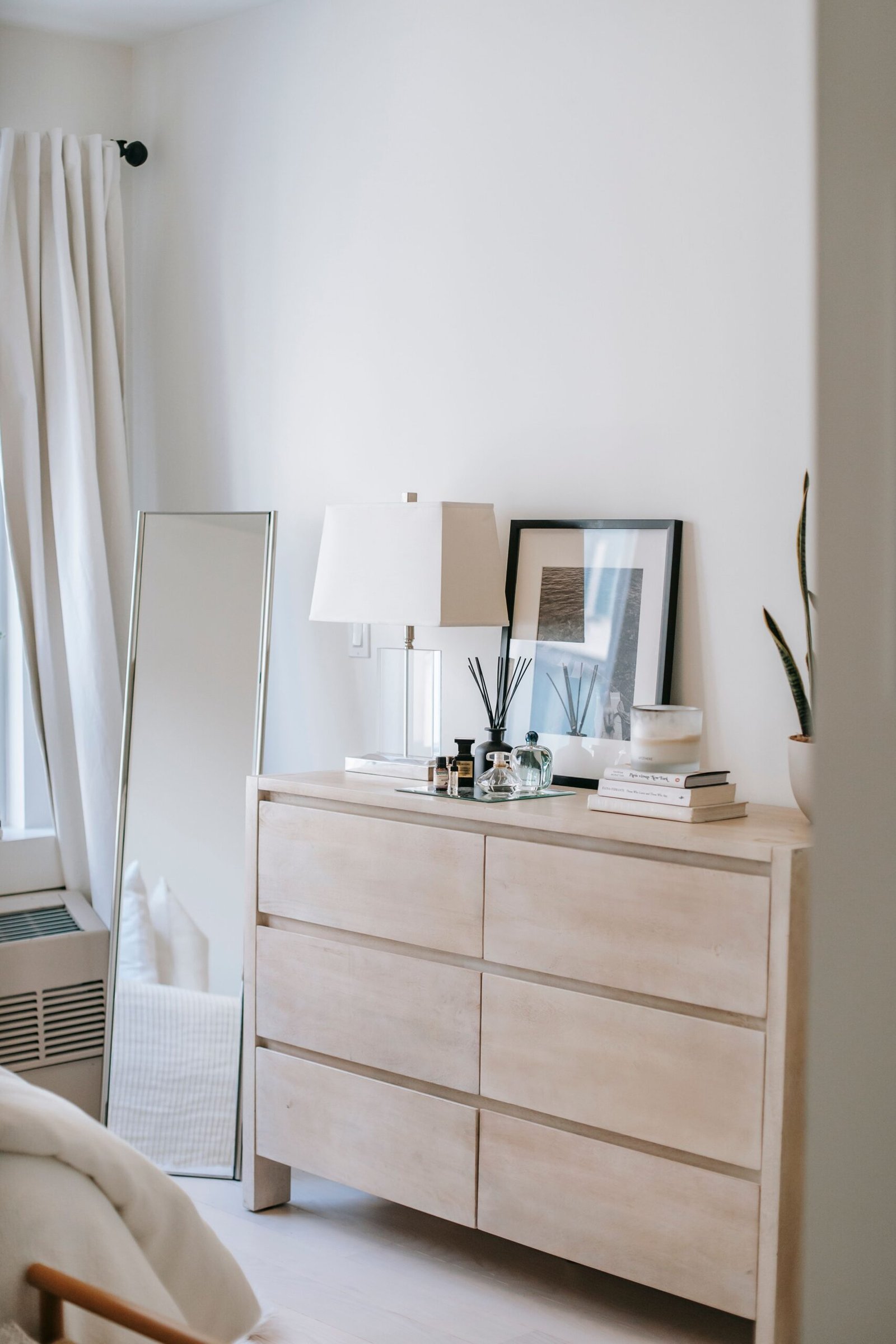
A dark picture frame, walnut table, or charcoal lamp base can give pale rooms definition. Use a few repeated darker details instead of scattering black objects randomly.
3. Combine smooth and textured fabrics
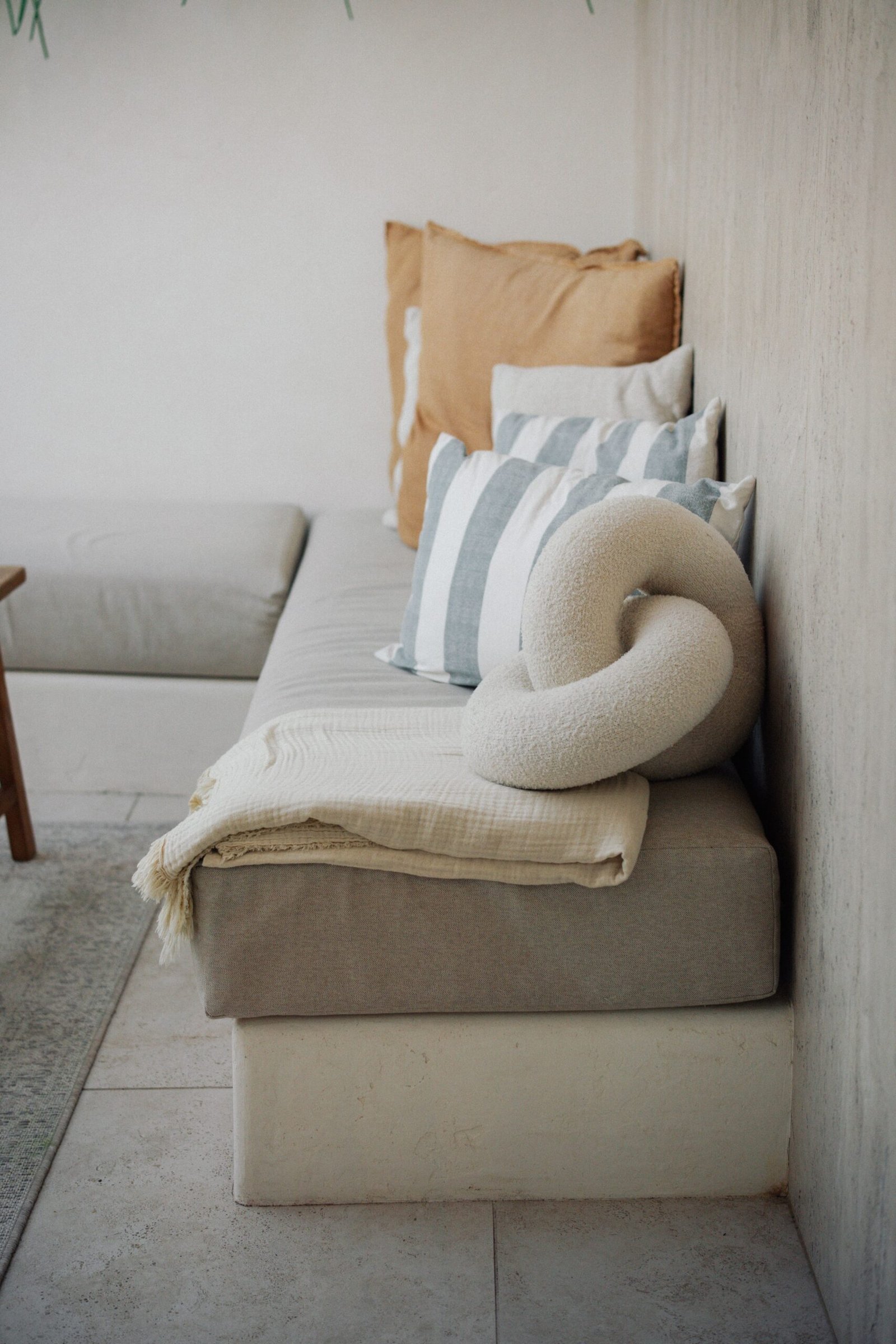
Try a linen-look curtain against a smooth sofa and a chunky woven throw. Mixed textures add depth without needing more colors or complicated patterns.
4. Use an interesting rug
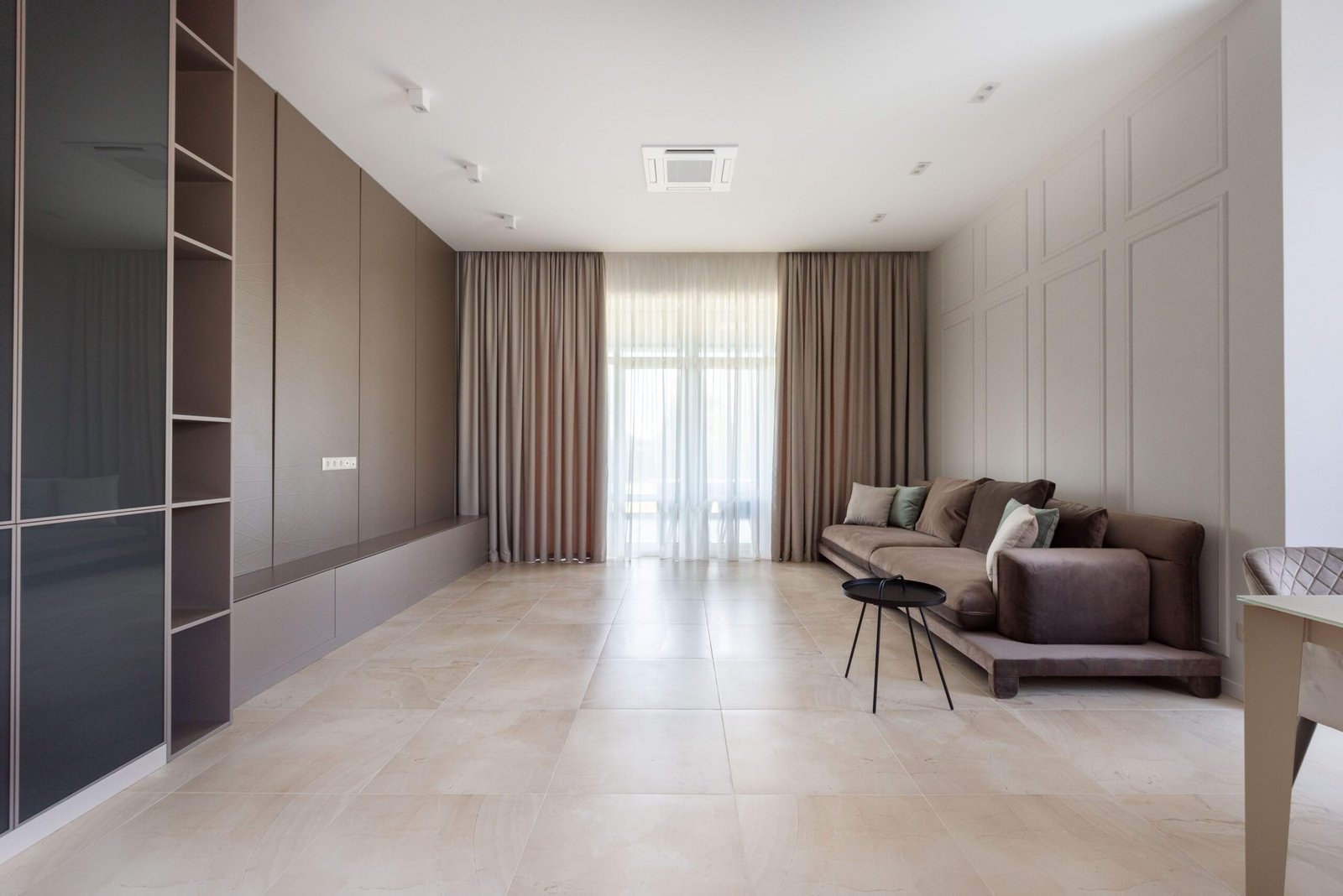
A softly patterned rug with several neutral shades can anchor a seating area. Measure carefully so the rug supports the furniture arrangement rather than floating beneath only the coffee table.
5. Repeat one warm metal finish
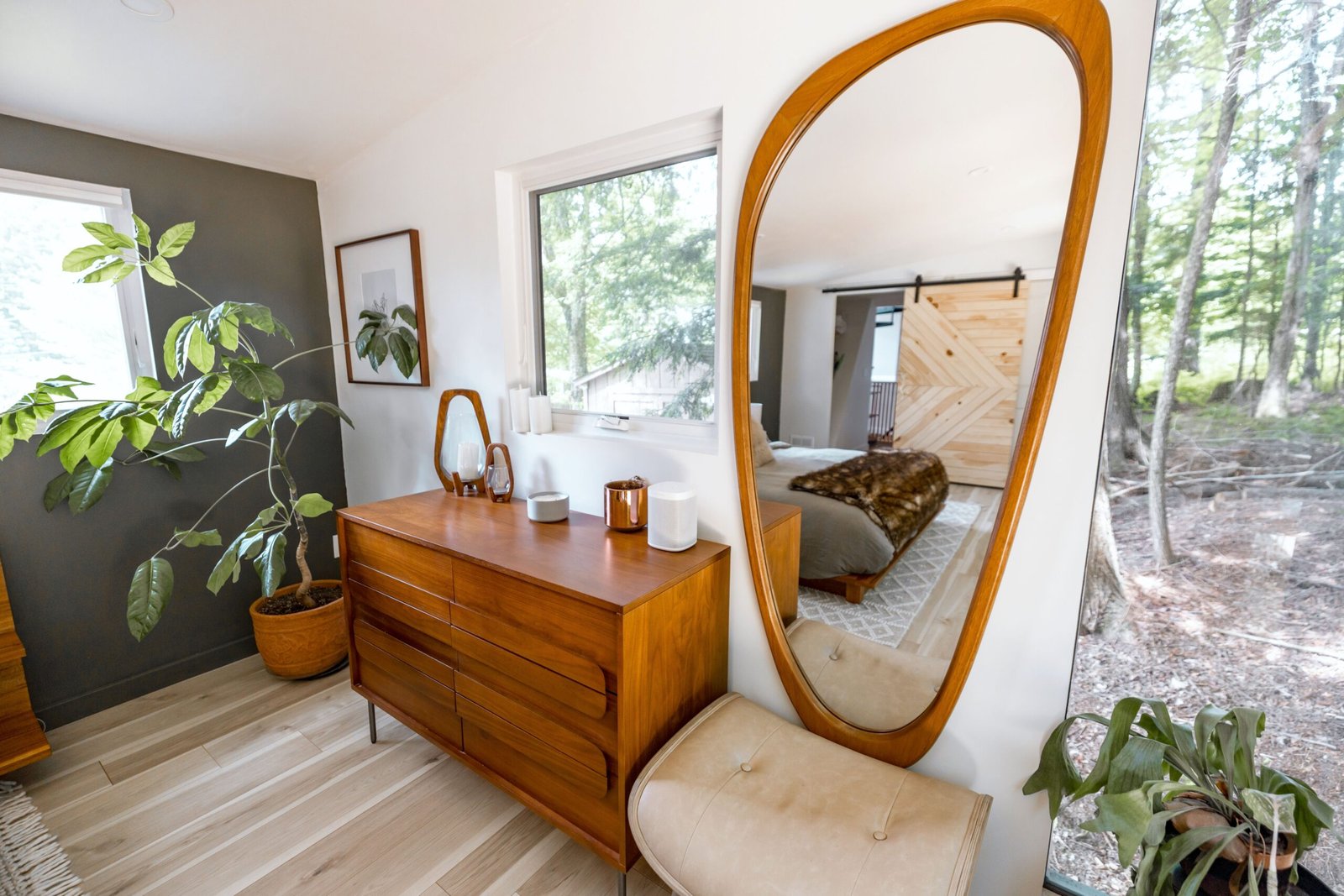
A little brushed brass or aged bronze can bring warmth through lamp bases, frames, or handles. You do not need every metal finish to match, but repeating one creates connection.
6. Let wood grain do some of the decorating
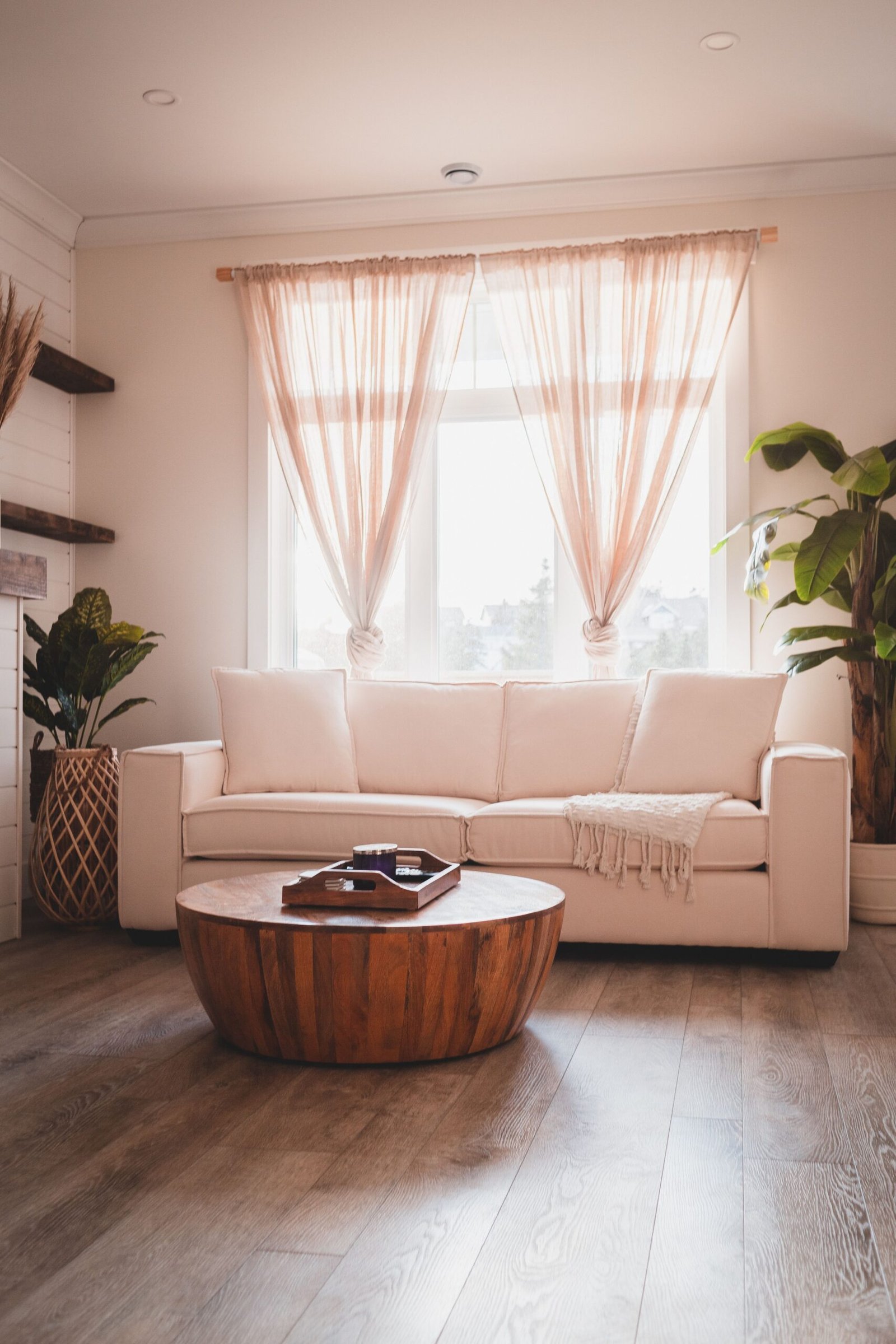
Natural wood provides visual interest through grain and variation. A small stool, tray, or shelf may be enough; an entire new furniture set rarely is.
7. Use muted color as an accent
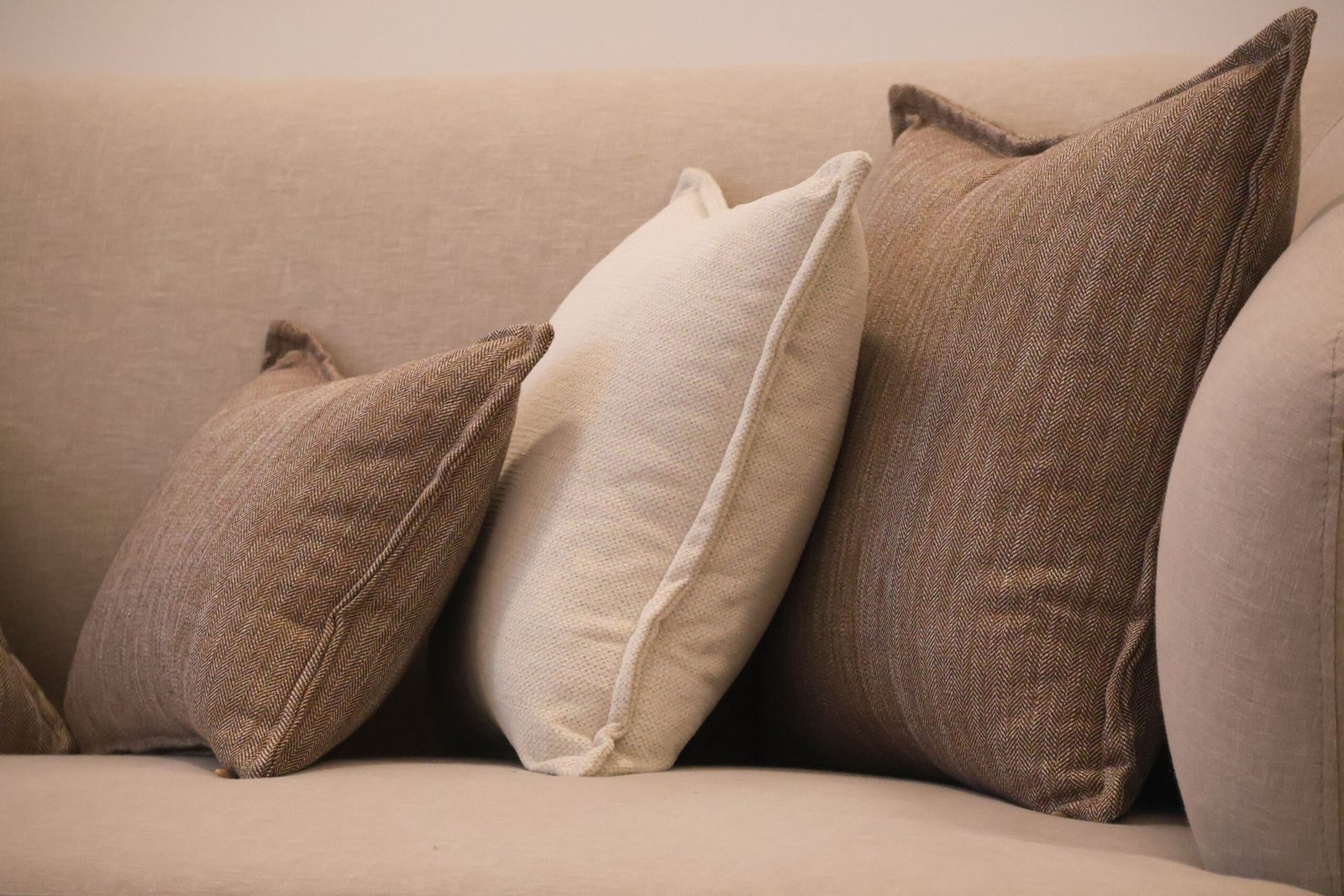
Sage, dusty rose, clay, and deep blue can all work as quiet accents in a neutral palette. Choose one that suits the room and repeat it lightly in art or textiles.
8. Make artwork the personal element
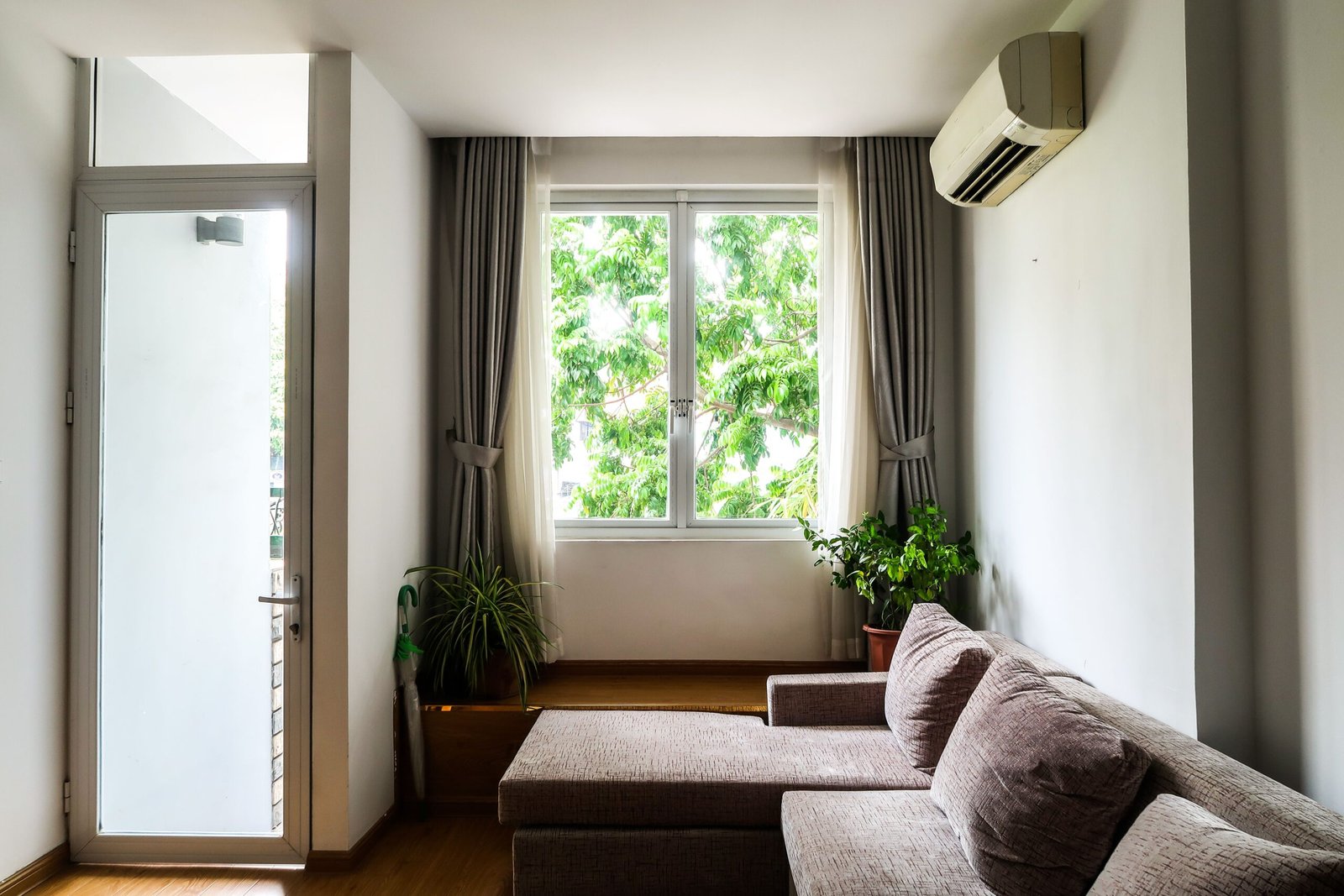
Neutral spaces benefit from art that means something to the people living there. A family photograph, print, or local landscape brings more character than a generic quote sign.
9. Keep surfaces edited, not empty
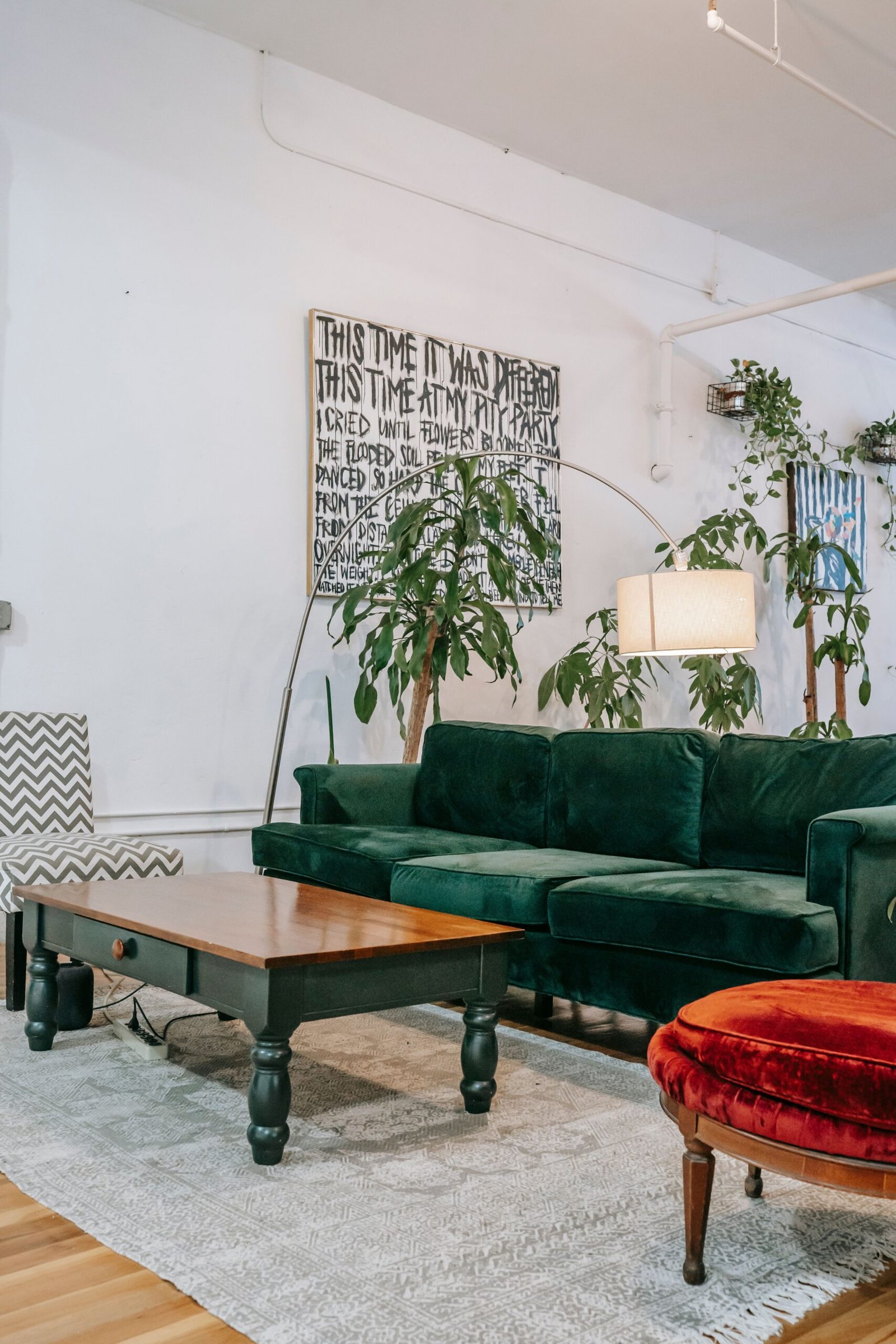
A lamp, favorite book, and one vase may be enough for a console. Aim for a few varied heights and leave room to actually use the surface.
10. Soften hard corners with greenery
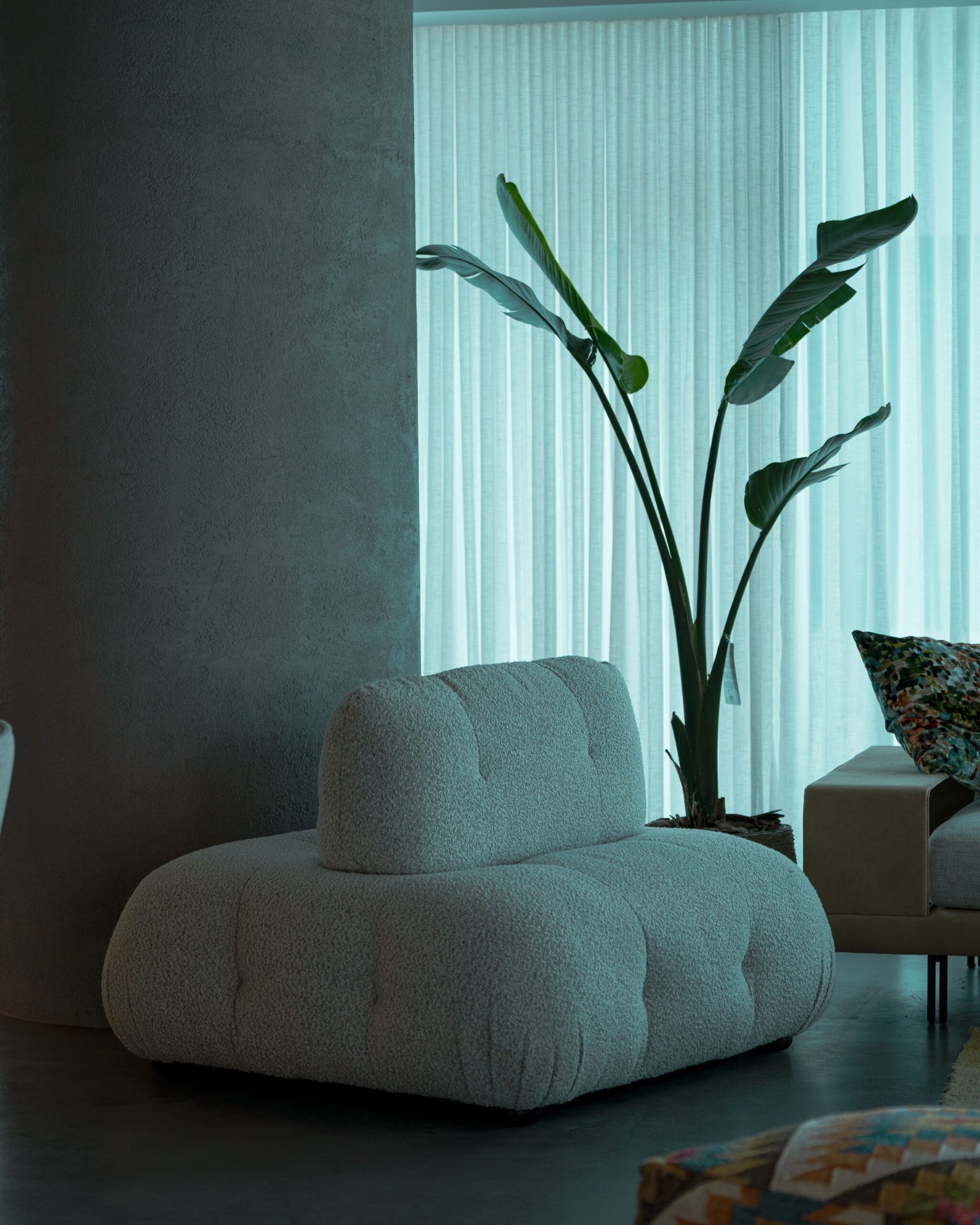
Plants can break up straight lines and introduce organic shape. Choose plants suitable for available light and check pet safety when relevant.
11. Balance warm and cool lighting
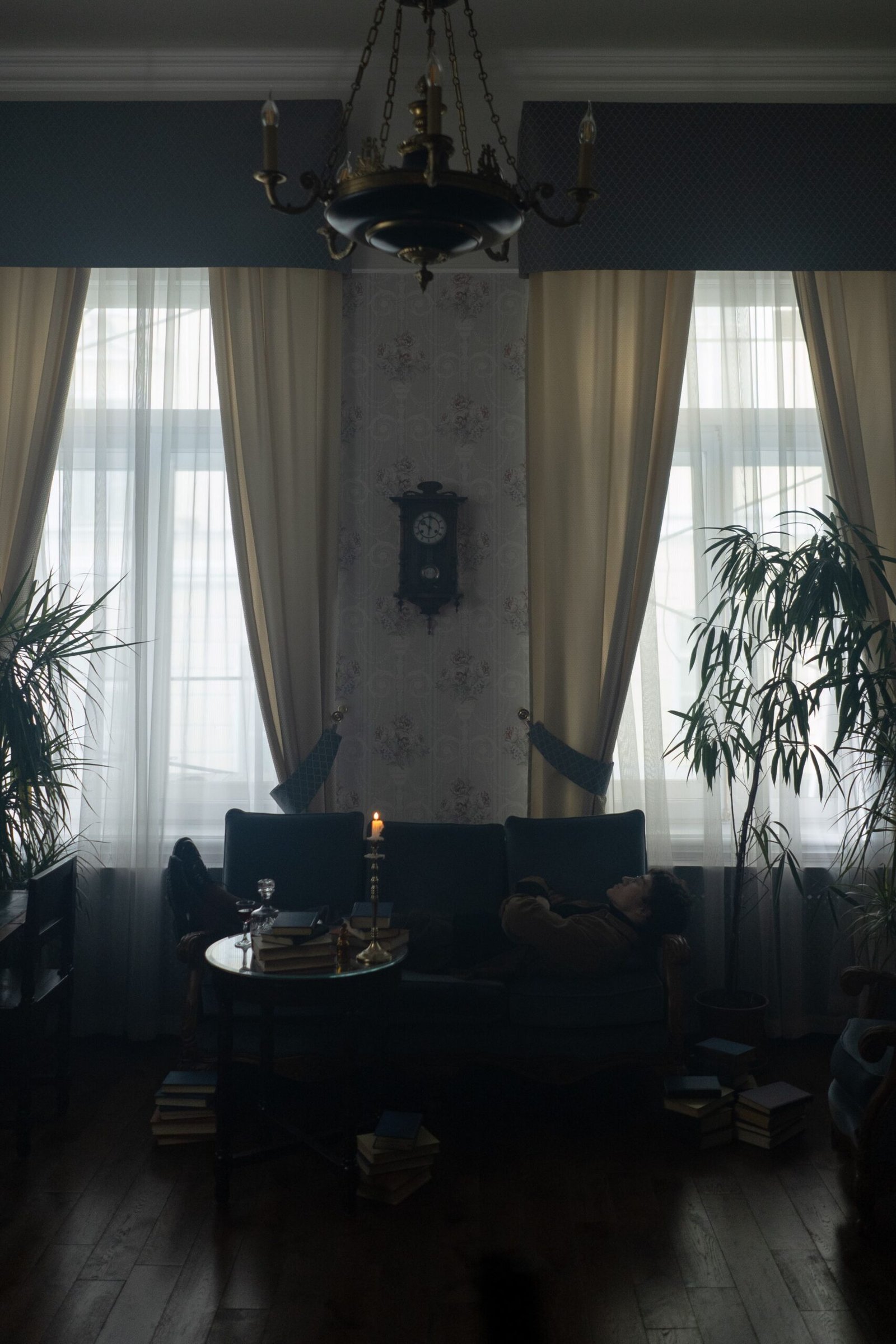
A neutral palette can look flat under harsh overhead lighting. Use layered lamps and consistent warm bulbs to create depth without changing paint colors.
12. Try a small refresh before repainting
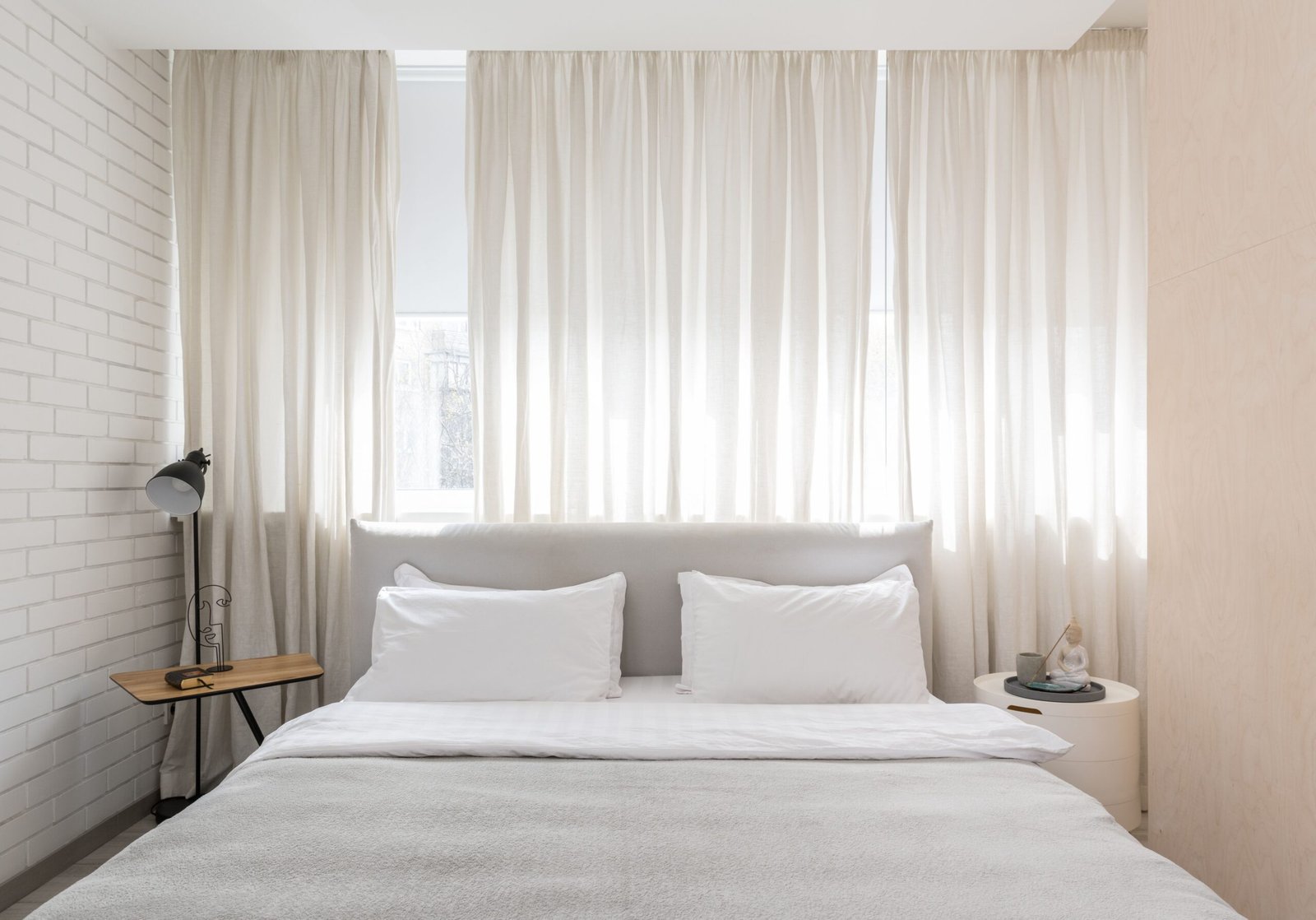
Swap pillow covers, shift furniture, or move a piece of art from another room. Live with the changes before deciding whether to invest in new paint or furnishings.
Start small
A warm neutral room should reflect your habits, not just a color chart. Choose one texture, one dark accent, and one personal detail to test first.