
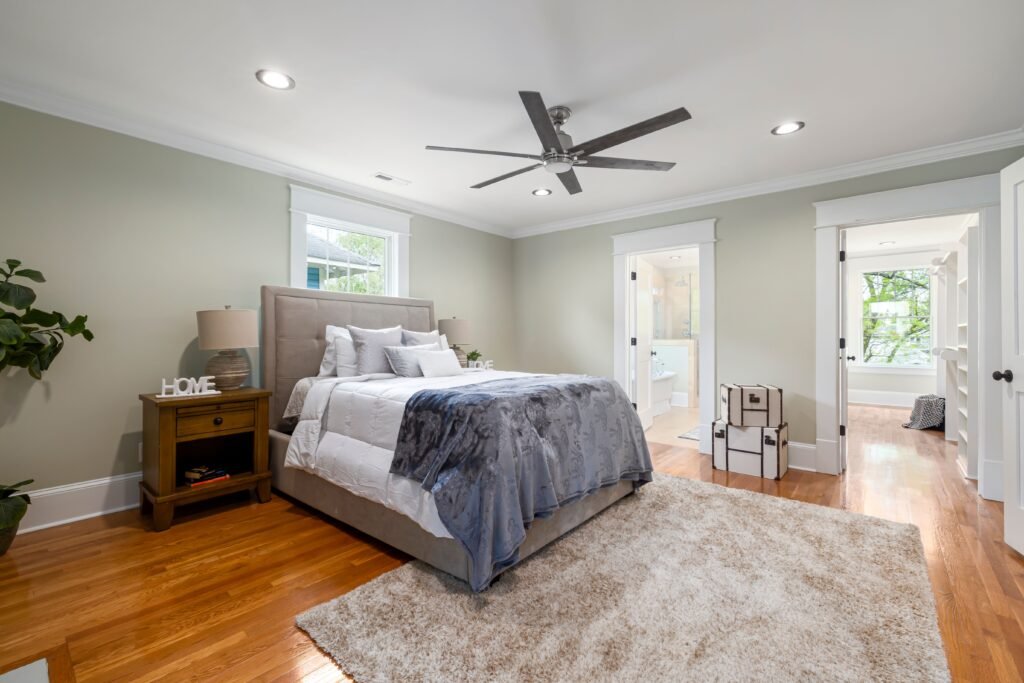
Seasonal decorating can be simple and flexible. You do not need to replace your home’s entire style four times a year: a few thoughtfully chosen details can suggest the season while keeping the rooms functional.
A useful approach is to keep your everyday furniture and foundation pieces in place, then rotate accents that are compact, durable, and easy to store.
Simple ideas to try
1. Choose one seasonal focal point
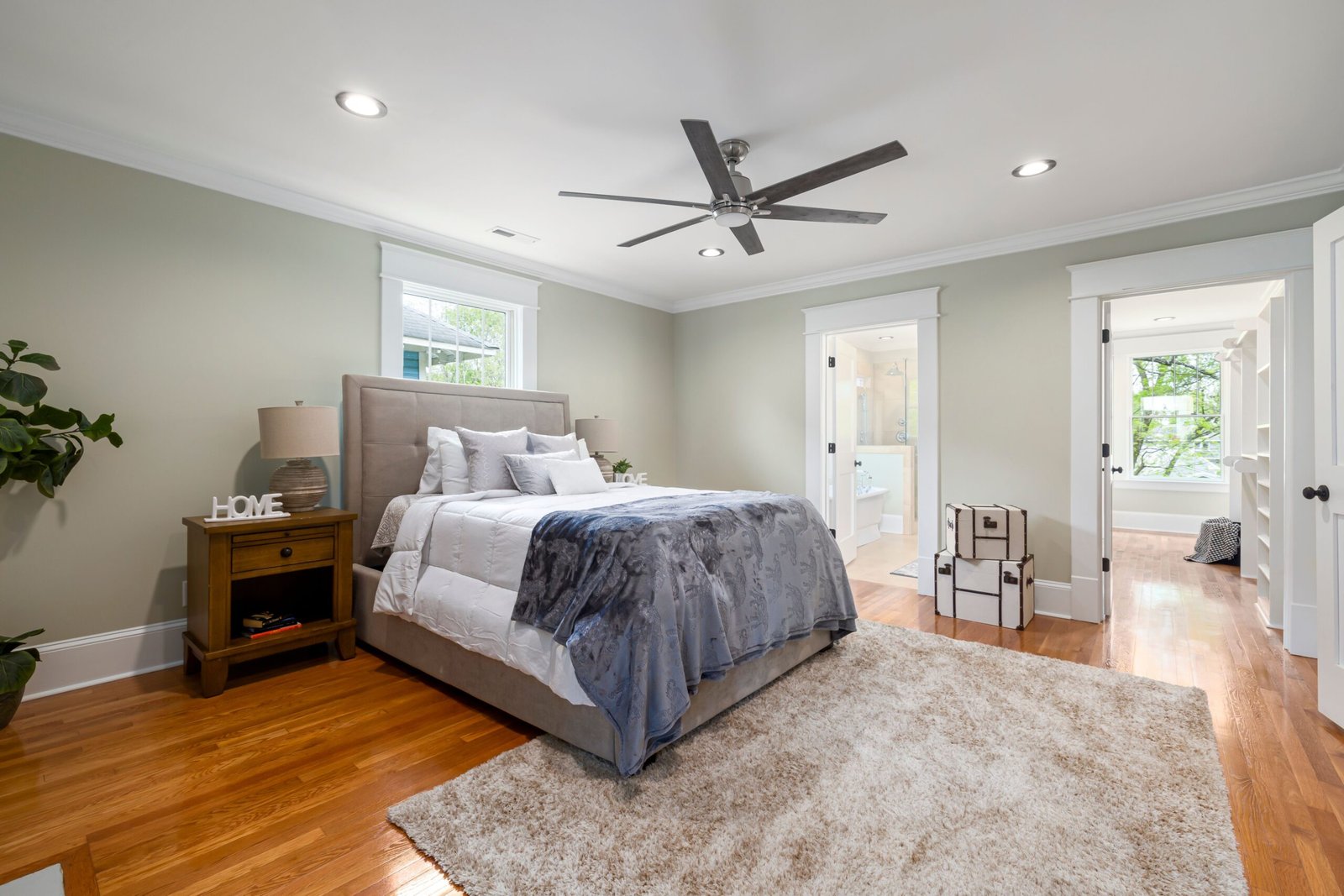
Start with an entryway shelf, dining table, or living room mantel rather than decorating every surface. A focused display often feels more intentional than small decorations scattered everywhere.
2. Rotate cushion covers instead of cushions

Covers take less space than whole pillows. Choose washable materials and use cushion inserts that already fit your sofa.
3. Change the texture of a throw

Try lighter woven cotton in warm months and a heavier textured blanket in cooler weather. Climate and personal comfort matter more than a strict decorating calendar.
4. Use branches and foliage thoughtfully

Fresh or dried foliage can reflect the season. Avoid poisonous plants around pets and children, and keep dried stems away from flames and heat sources.
5. Refresh the dining table centerpiece

A simple bowl of seasonal fruit or a reusable vase can make meals feel special. Keep the centerpiece low enough that people can see each other across the table.
6. Swap a small piece of wall art

Store a few inexpensive prints flat and rotate them when you want a different mood. Reuse the same frame to avoid extra storage and expense.
7. Adjust lighting as daylight changes

Longer evenings may call for softer table lamps, while brighter months may benefit from light-filtering curtains. Make practical changes to match how you use the space.
8. Create a small entryway display
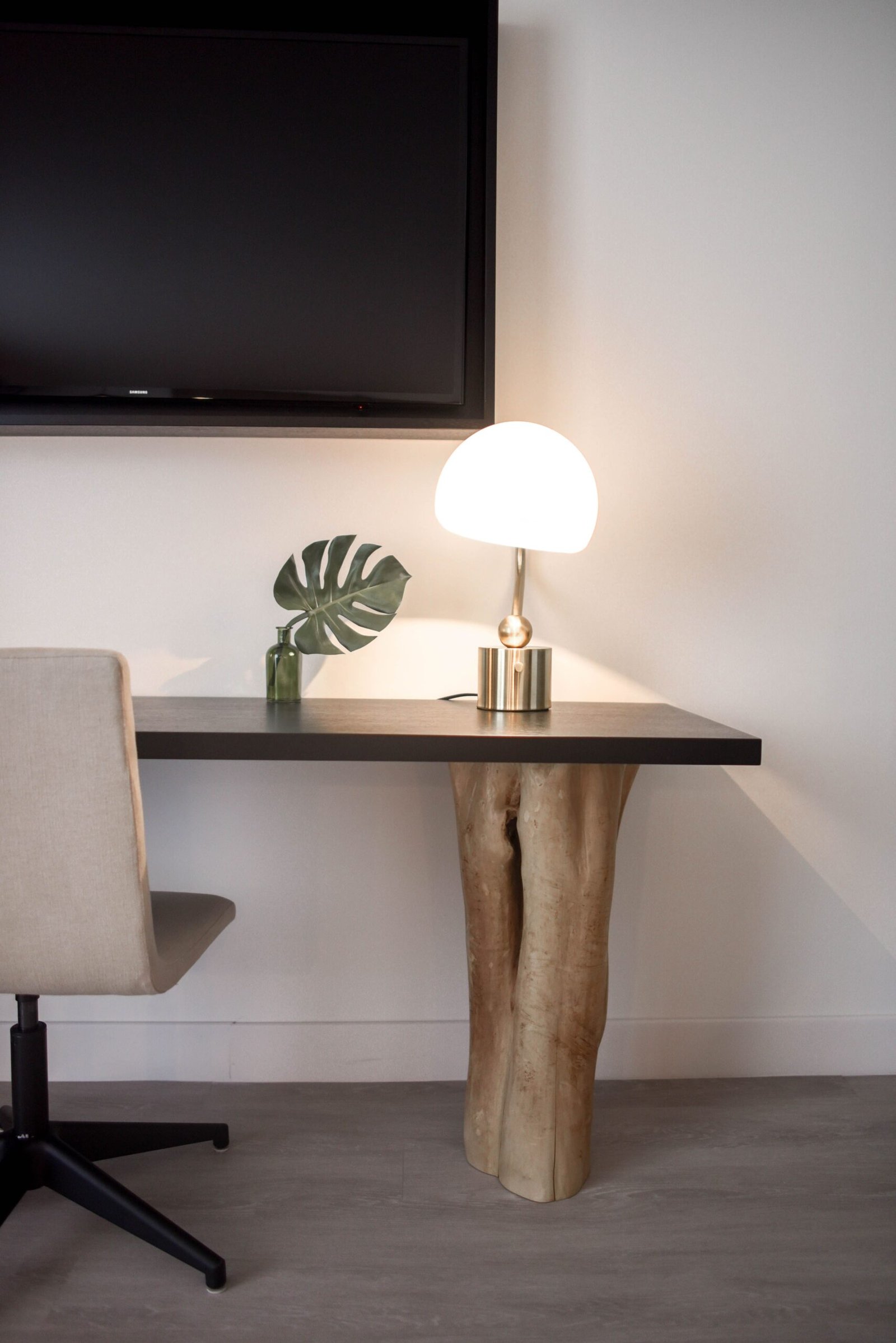
A tray, bowl, or simple vase near the door creates a welcoming touch. Leave enough space for keys and daily essentials so the display does not become clutter.
9. Keep a compact seasonal storage box
Group decorations by season in clearly labeled containers. Avoid buying pieces you cannot easily store, and inspect delicate items before putting them away.
10. Repeat a subtle seasonal color

A little green in spring, sun-washed terracotta in summer, copper in autumn, or deep evergreen in winter can feel seasonal without overpowering your usual palette.
11. Decorate for your climate and traditions

Choose details that suit your actual weather, celebrations, and household. A tropical home does not have to imitate a snowy winter scene to feel festive.
Start small
Begin by choosing one surface and one seasonal color. If the room already feels welcoming, that’s enough; seasonal decorating should be enjoyable, not another chore.