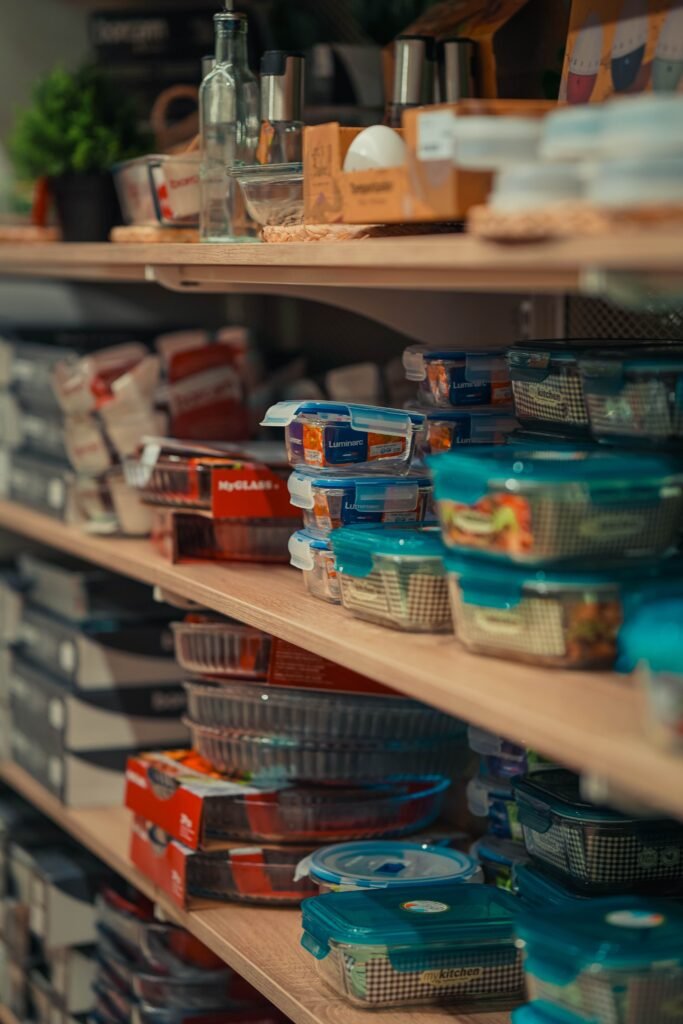
An organized kitchen is one where the things you reach for most are easy to find, use, and put away. You don’t need identical containers or a large pantry to make that happen.
Before buying organizers, watch how you use the kitchen for a few days. Notice what gets left on the counter, which cabinets are awkward, and where you lose time while cooking.
Ideas to try in your home
1. Create zones based on what you do
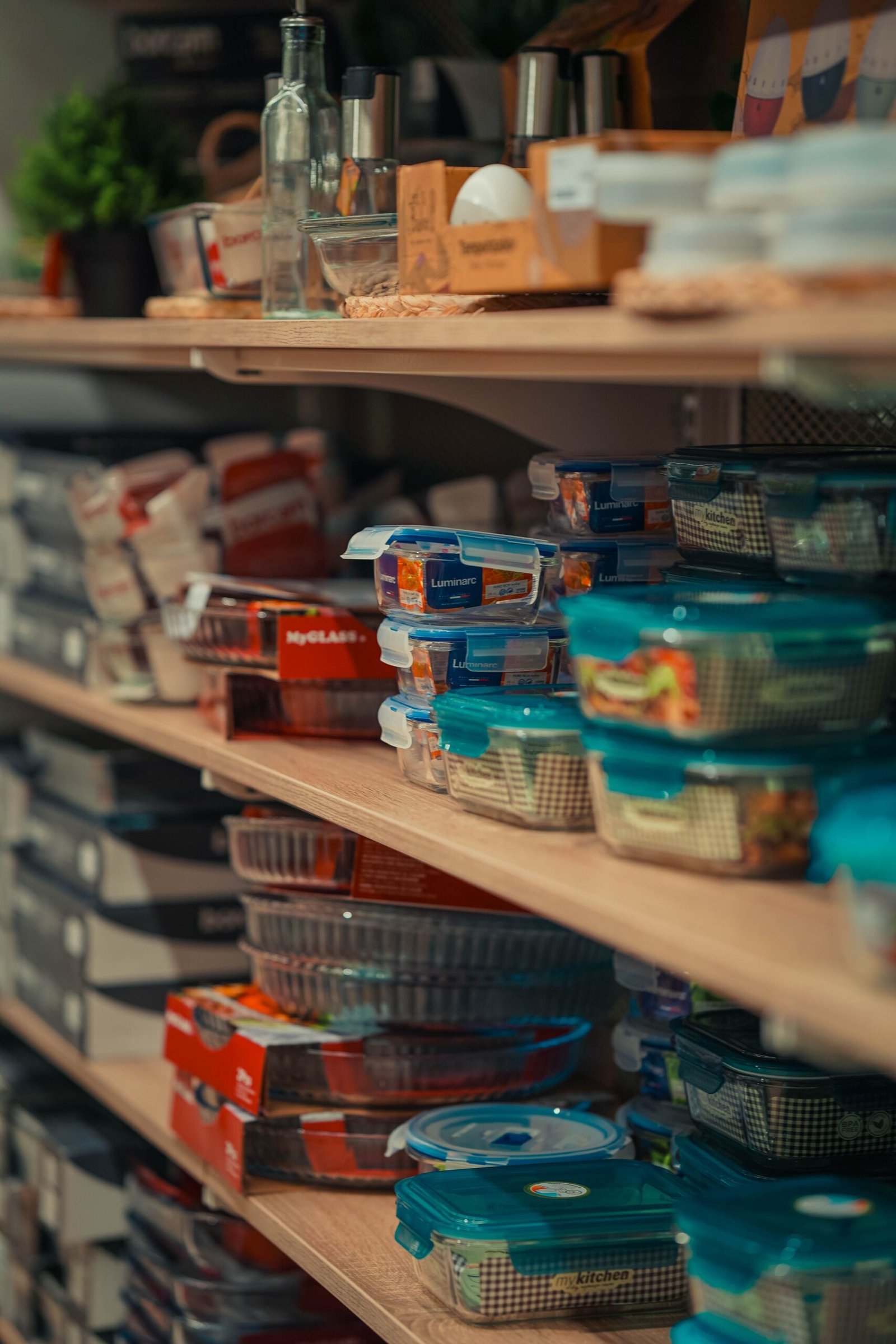
Keep cooking tools near the stove, mugs near coffee supplies, and food storage containers near the place you pack leftovers. Grouping by task saves steps and makes putting things back intuitive.
2. Move frequently used items to easy-reach shelves
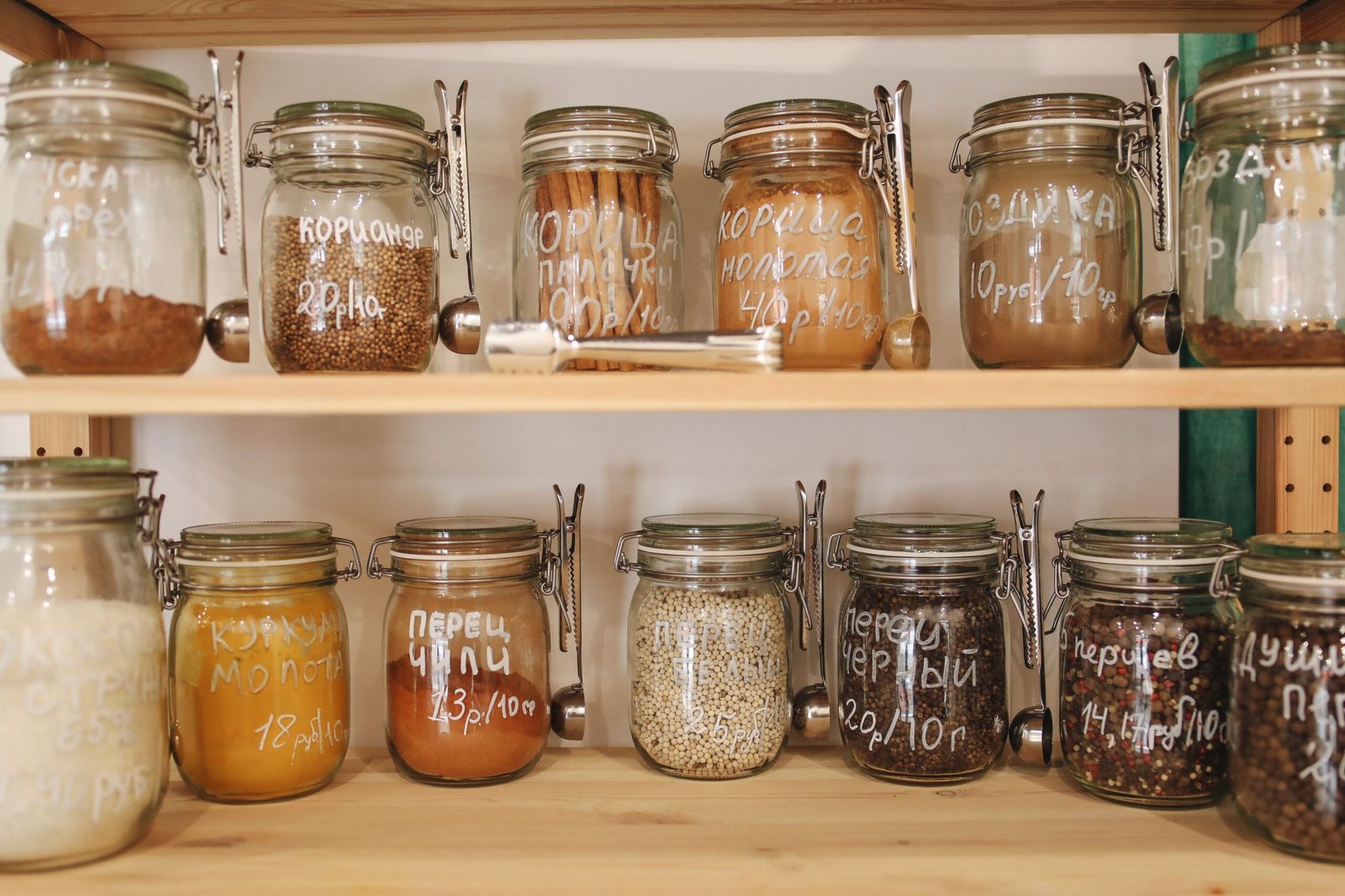
Reserve waist-to-eye-level cabinets for daily dishes and ingredients. Less-used serving platters and seasonal bakeware can go higher, provided you can retrieve them safely.
3. Measure drawers before buying dividers
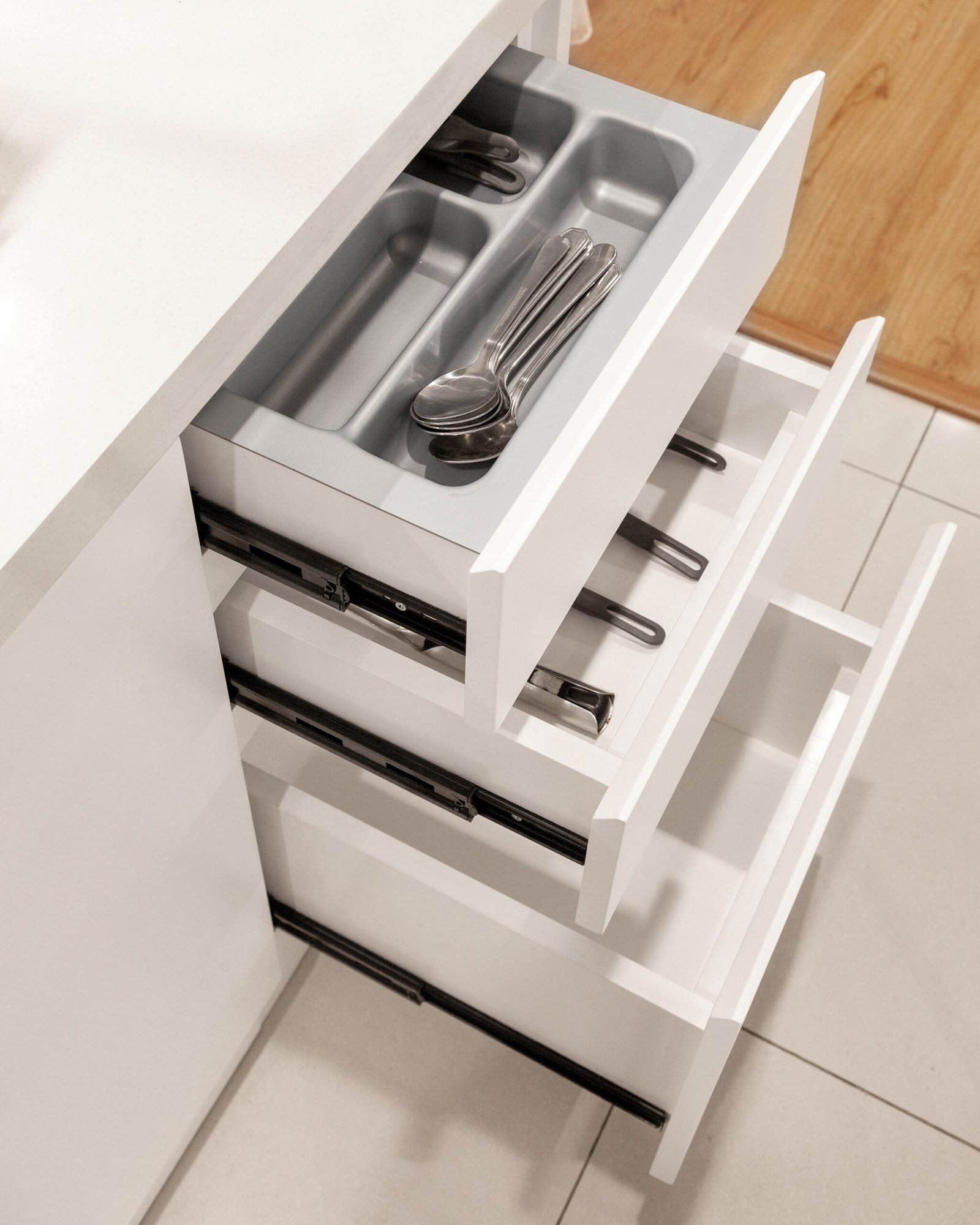
Measure usable width, depth, and height, accounting for hinges and drawer sides. Adjustable dividers can work well, but only if they fit when the drawer closes.
4. Sort utensils by actual use
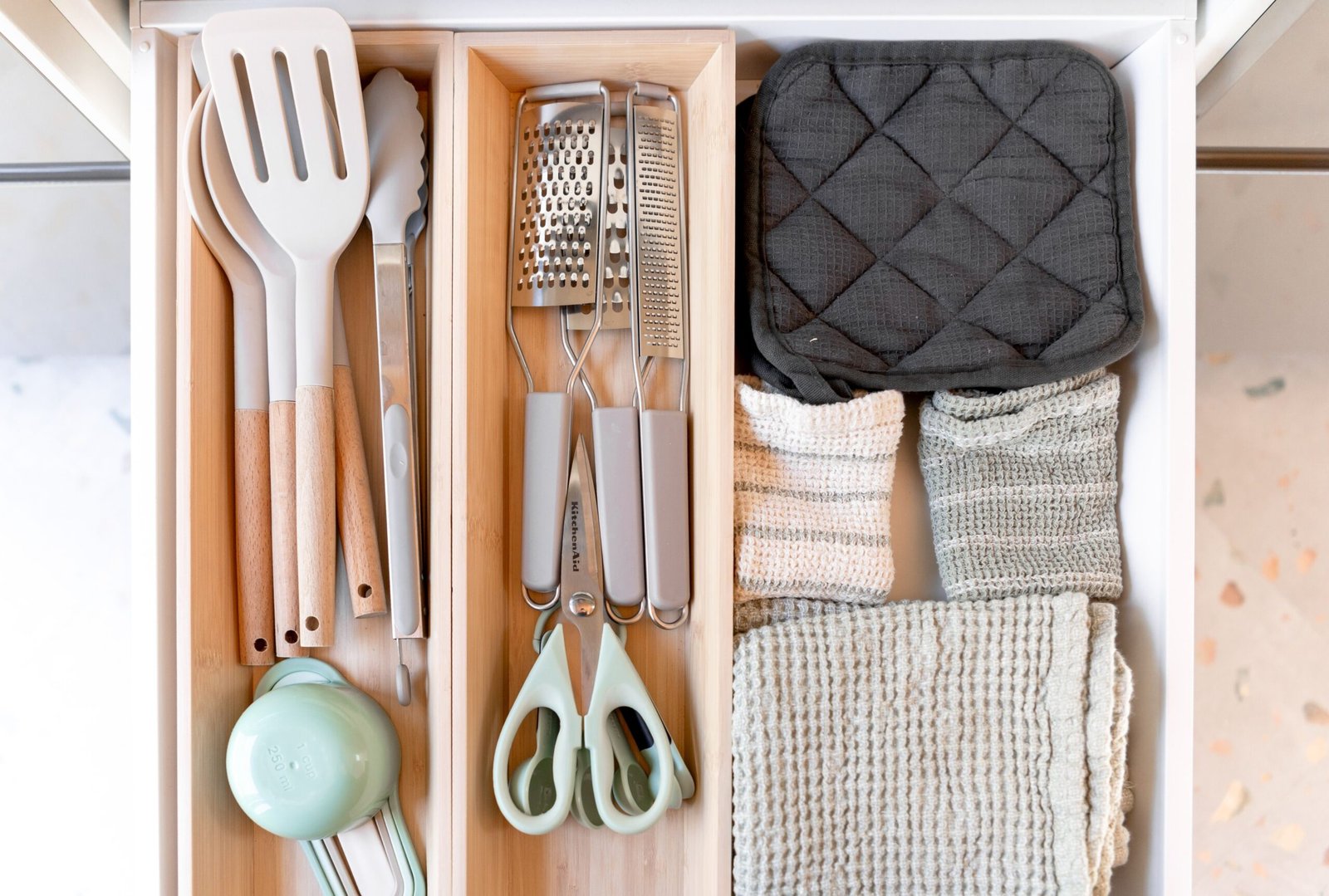
Pull everything from one drawer and keep the tools you reach for regularly. Store duplicates or occasional gadgets elsewhere. Leave a little empty space so utensils do not jam together.
5. Store pan lids vertically
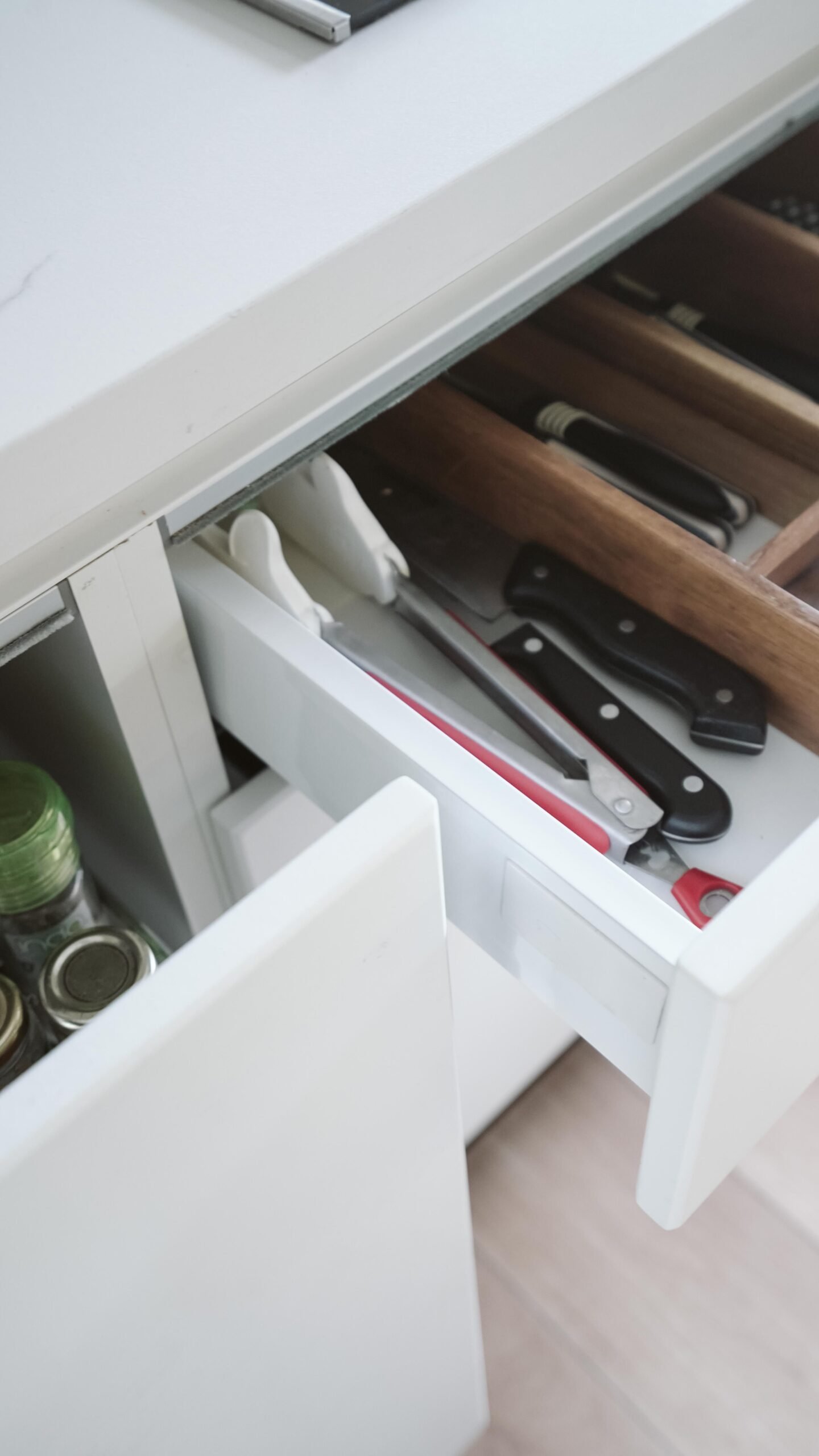
A sturdy rack or divider can make lids easier to see than a loose stack. Test the cabinet depth and the weight of the lids before choosing a holder.
6. Put baking ingredients together
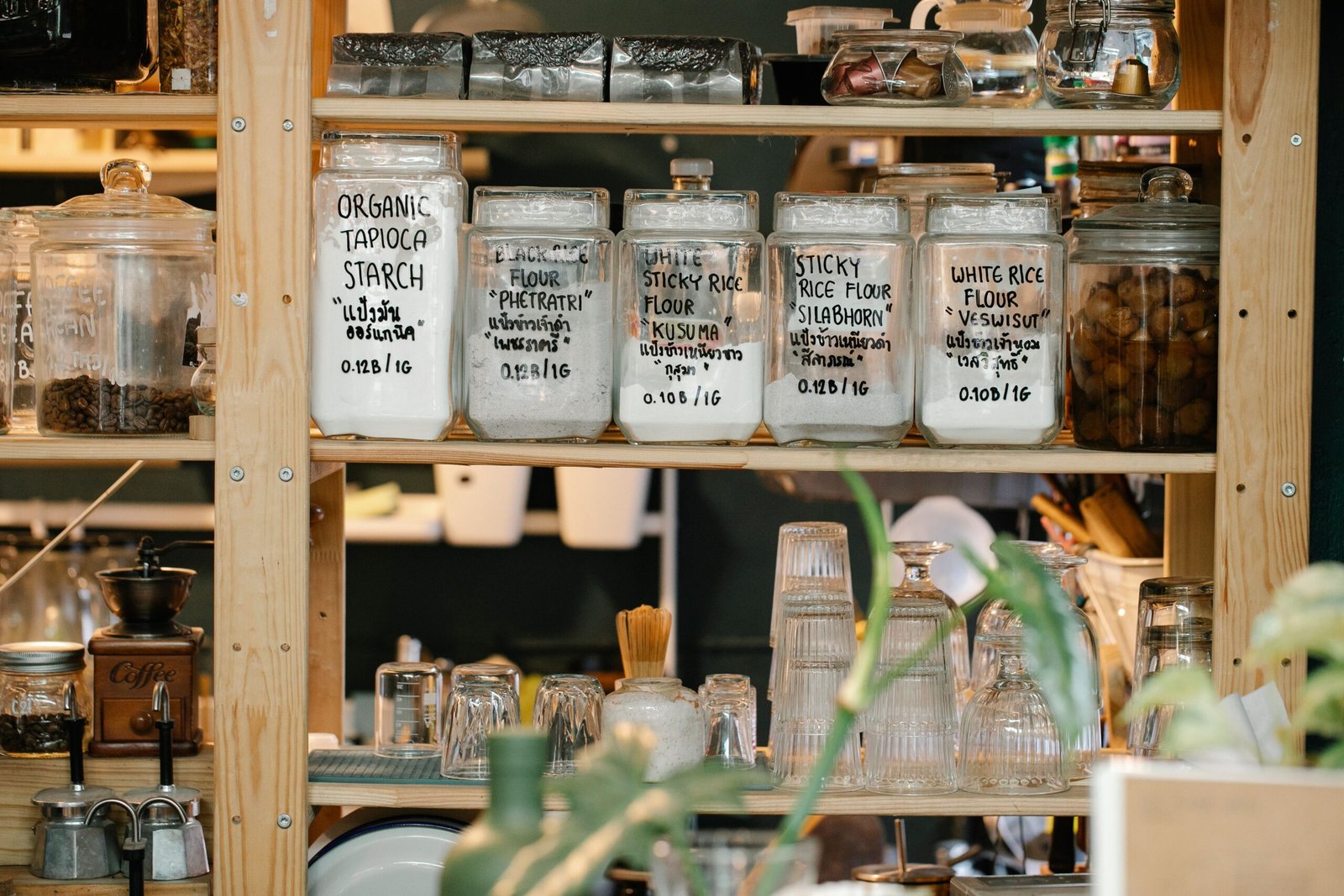
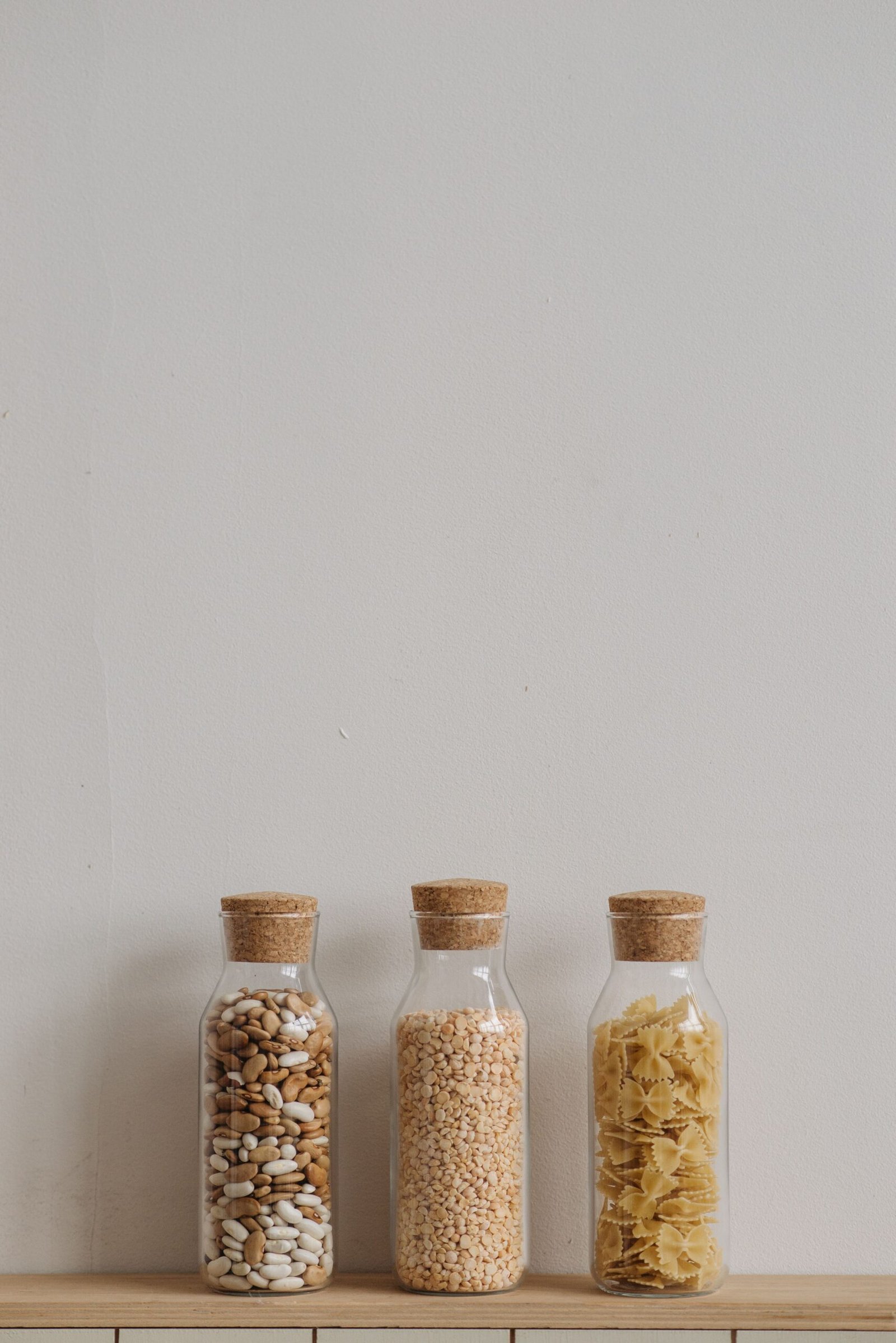
Keeping flour, sugar, measuring tools, and baking powder in one area makes baking easier. Label opened ingredients clearly and follow the package’s storage instructions rather than assuming every food belongs in an airtight jar.
7. Use clear bins where visibility helps
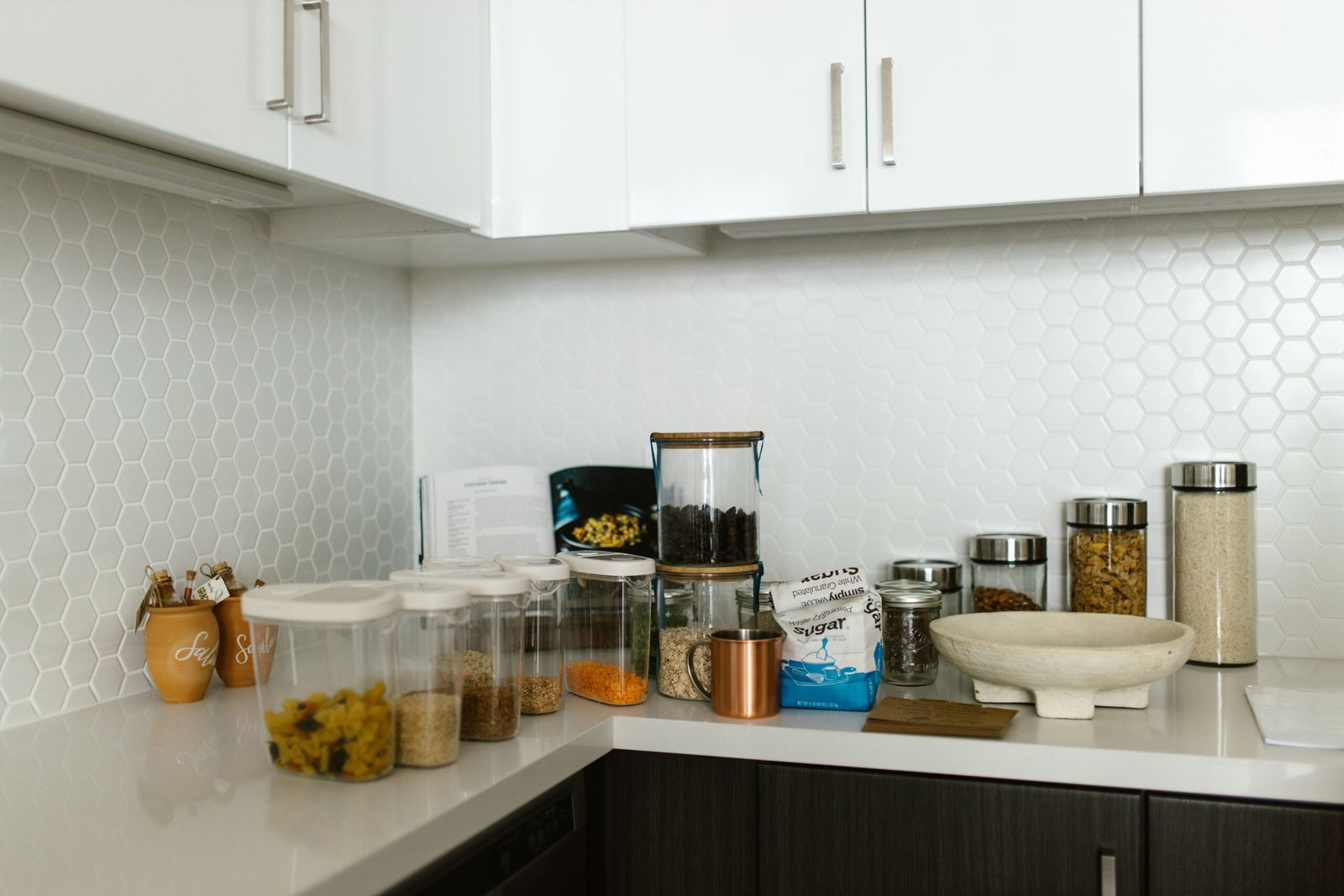
Clear bins are useful for packaged snacks or small packets. Avoid decanting everything simply for appearances; original packaging often contains important expiration, allergen, and preparation information.
8. Label shelves or bins rather than every object
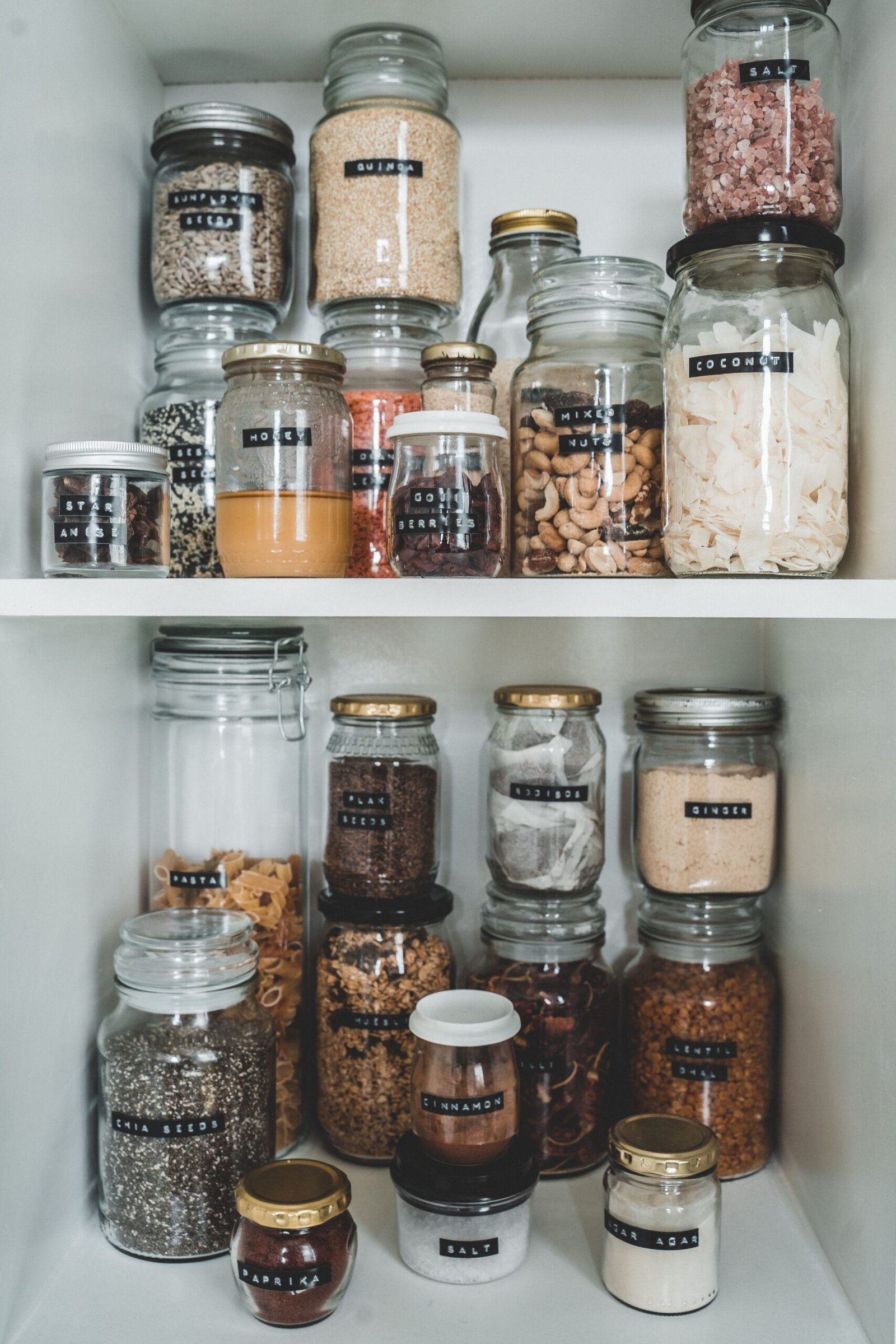
A few labels such as ‘breakfast’, ‘snacks’, or ‘baking’ can help the whole household return items to the right place. Choose labels that reflect real habits, not an idealized system.
9. Keep the countertop for daily essentials
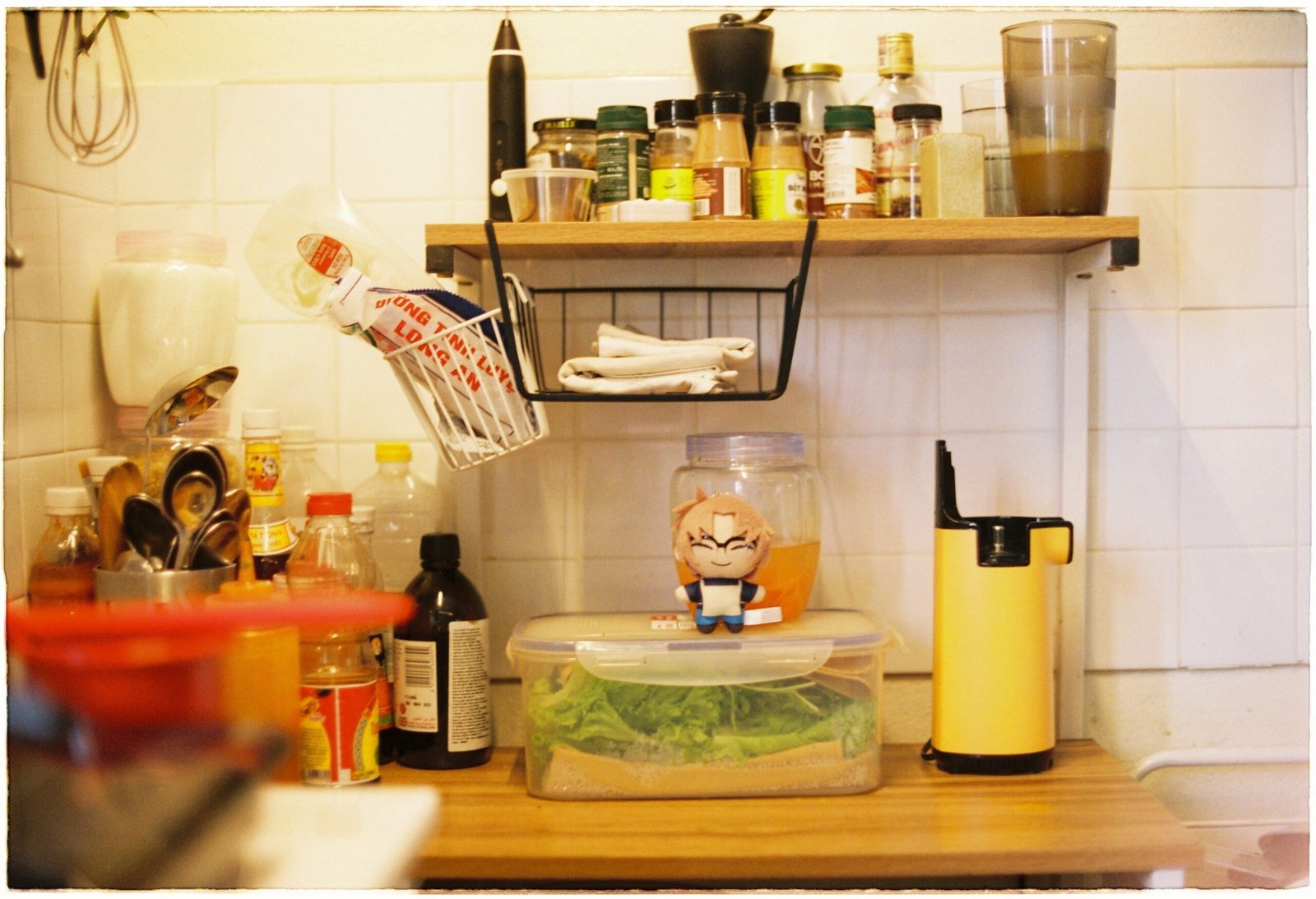
A coffee machine or frequently used kettle may deserve counter space. Put infrequently used appliances away if you have accessible storage, but keep clearance around hot equipment according to its instructions.
10. Give reusable bags a designated spot
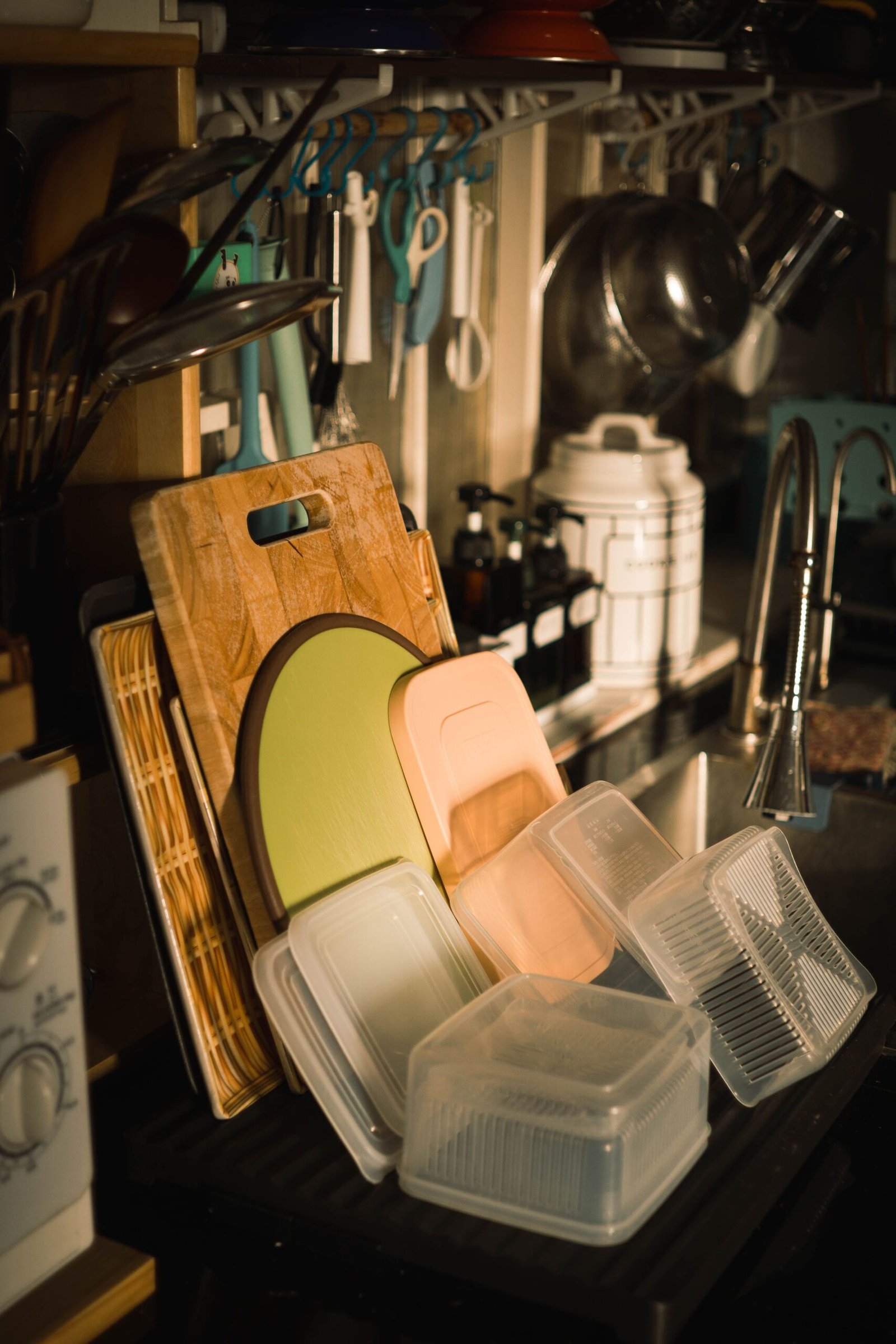
Fold bags into one larger bag or place them in a small basket near the door or pantry. This prevents a drawer from becoming a tangle of handles.
11. Store food containers with their lids
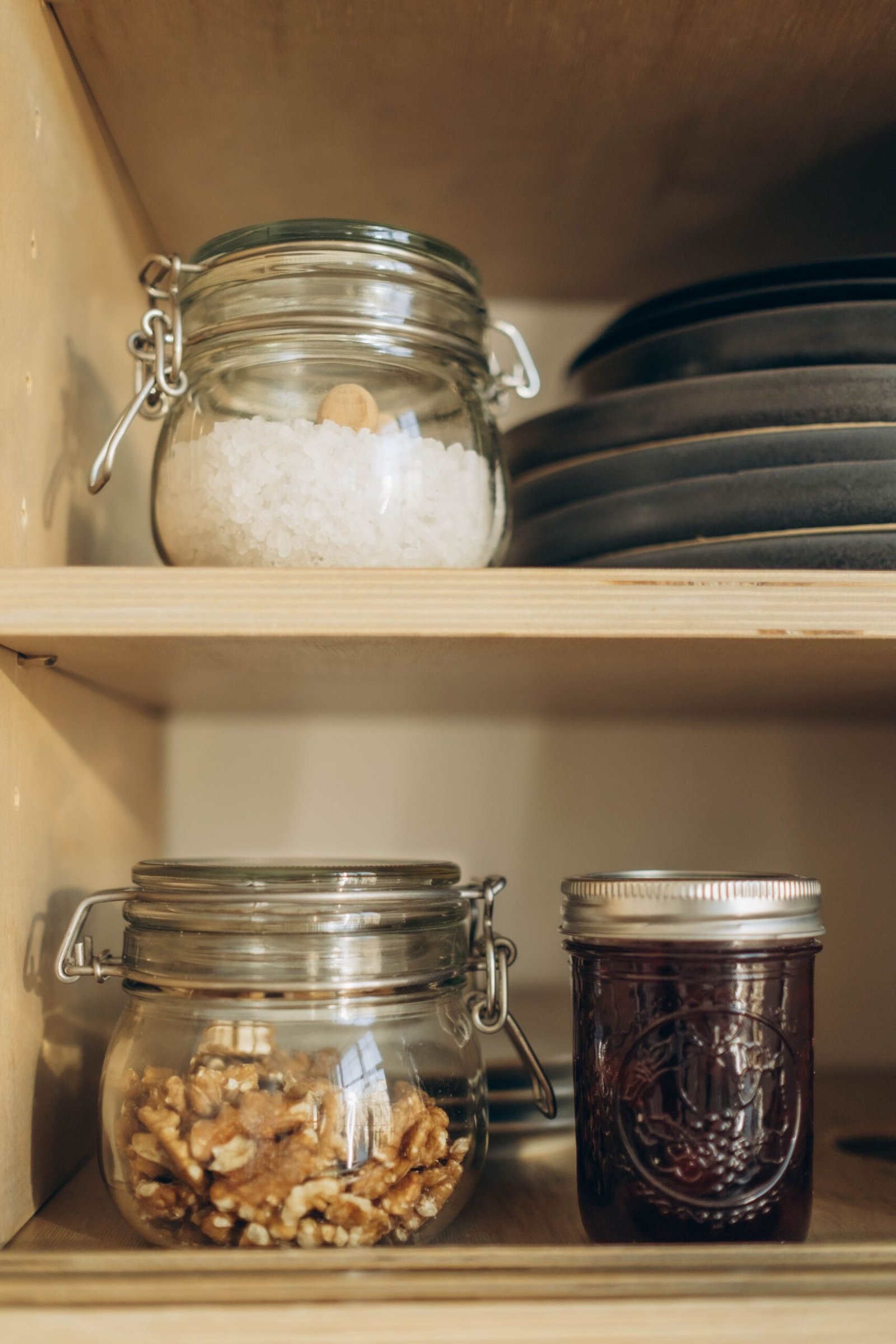
Match lids to bases and recycle or replace damaged pieces. Nest similarly sized containers and keep compatible lids upright in a divider instead of making one unstable tower.
12. Use the inside of cabinet doors carefully
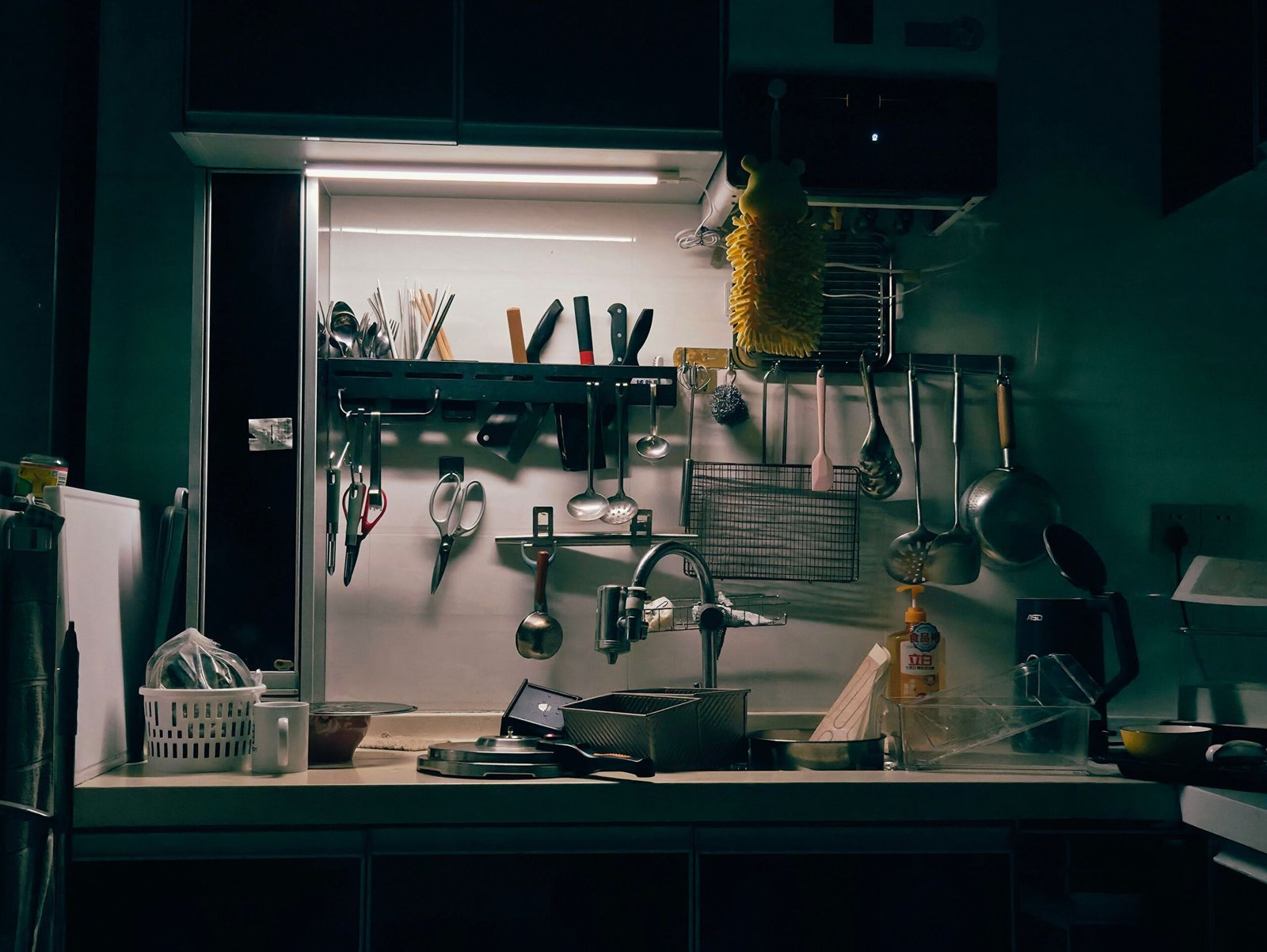
Lightweight hooks or holders can make room for small items, but check the door’s clearance and weight limit. Avoid obstructing hinges or putting heavy objects on thin cabinet panels.
13. Create a simple under-sink cleaning zone
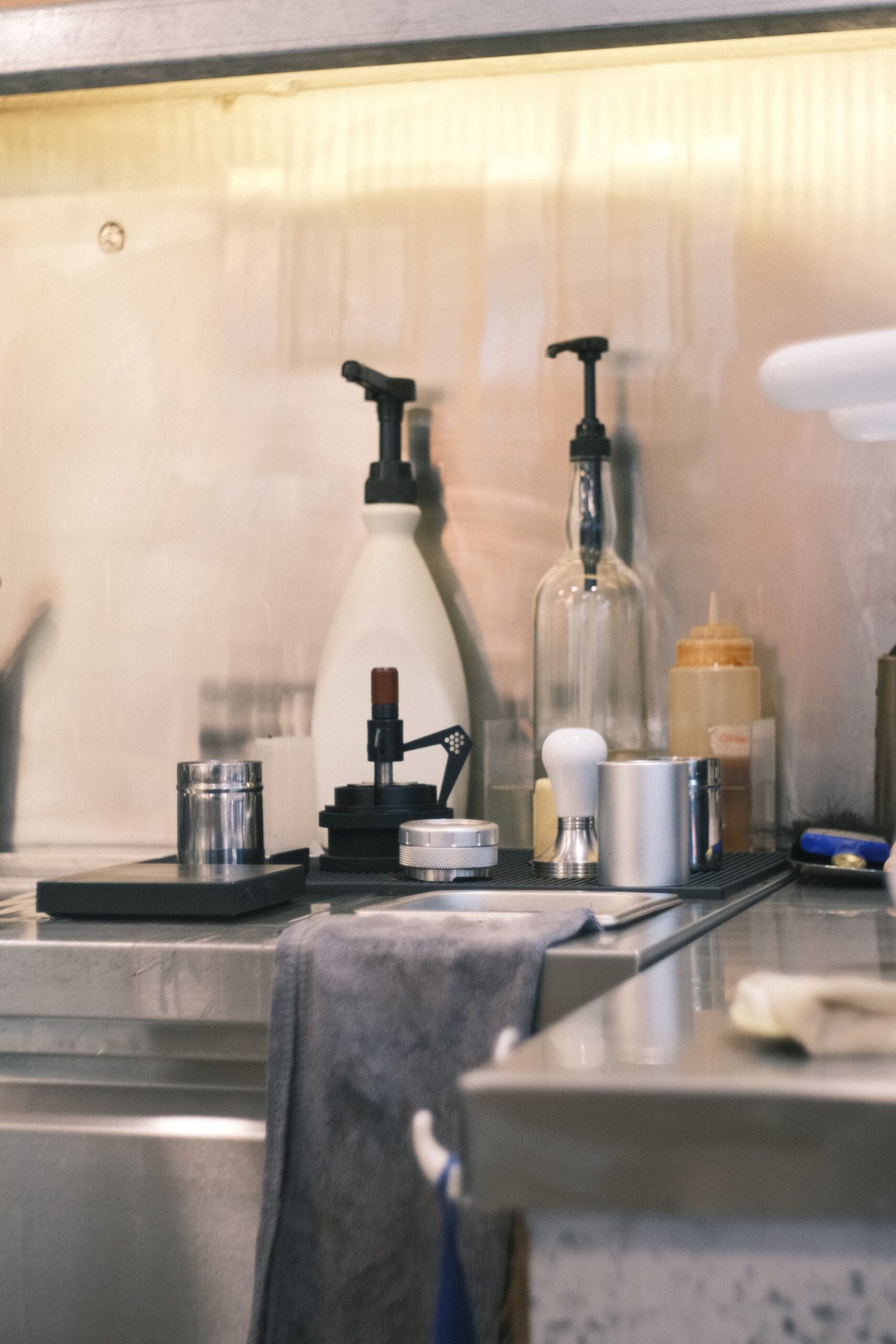
Keep cleaners in original labeled containers, separate incompatible chemicals, and use child-resistant storage when needed. Check for leaks and avoid storing food in this area.
14. Rotate pantry food by date
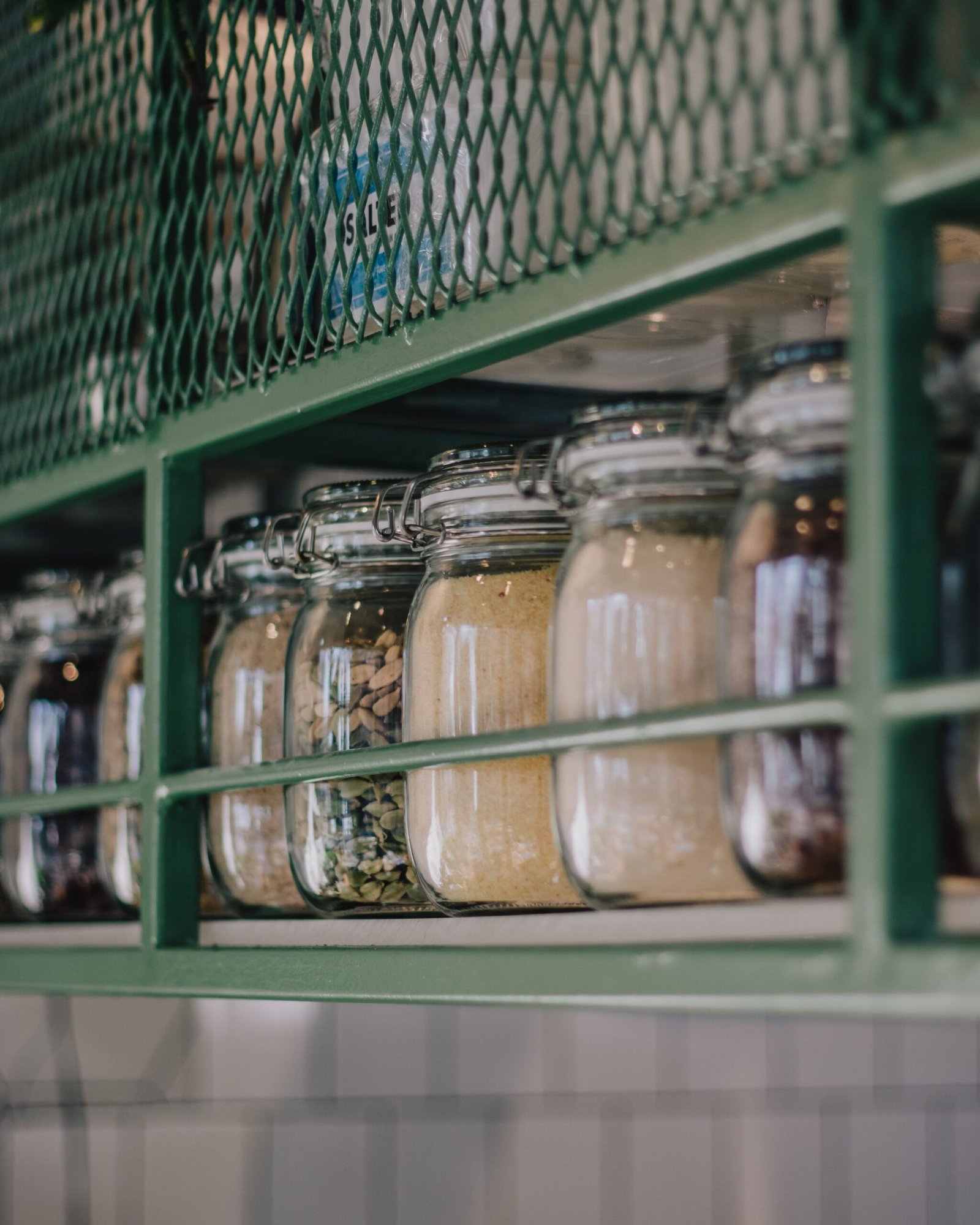
Put newer packages behind older ones and check labels as you restock. This helps prevent forgotten food from expiring at the back of a shelf.
15. Contain small refrigerator items
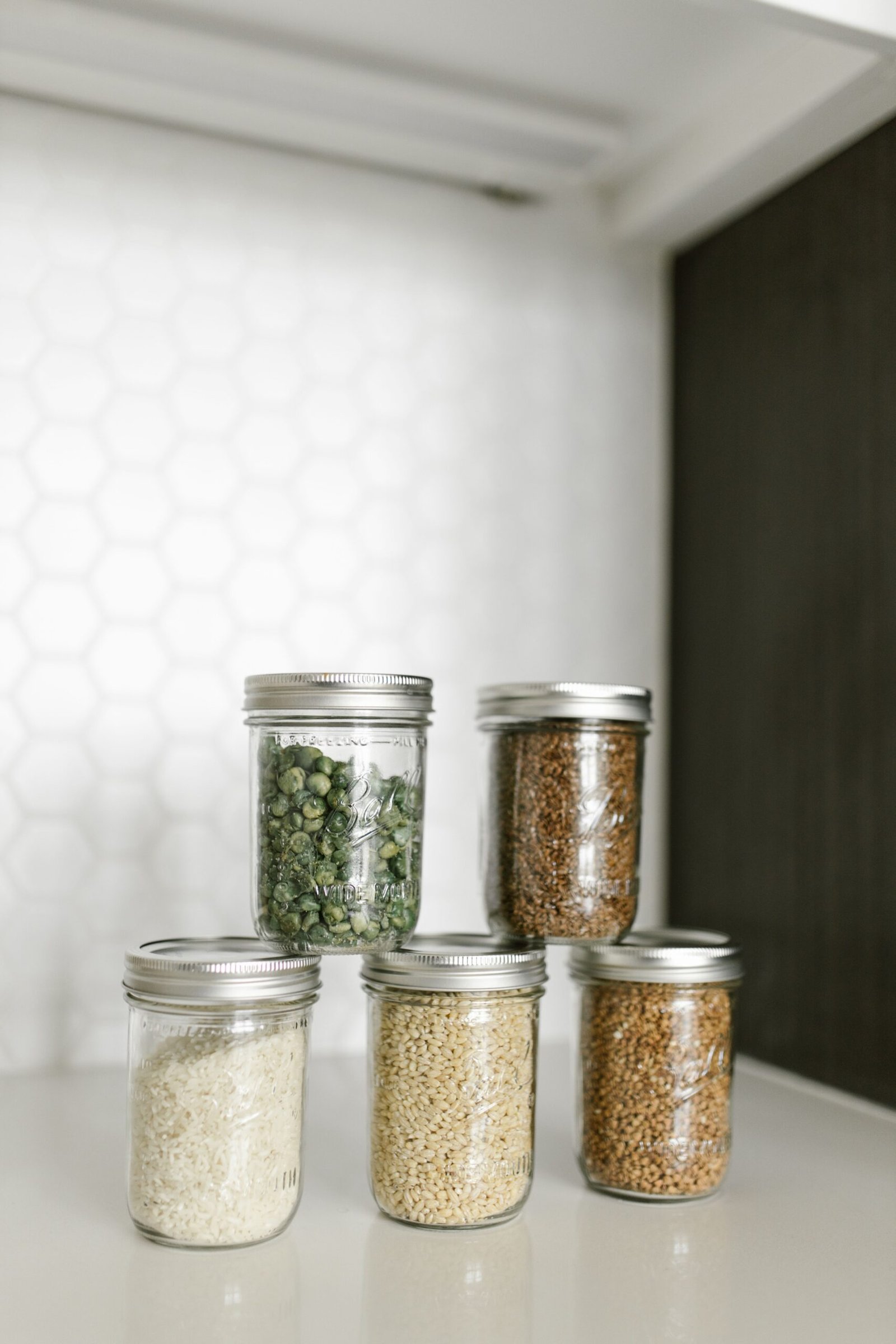
One washable bin for yogurts or condiments can make items easier to retrieve. Don’t block air circulation, and follow refrigerator food-safety guidance for temperature and storage.
16. Set up an everyday breakfast station
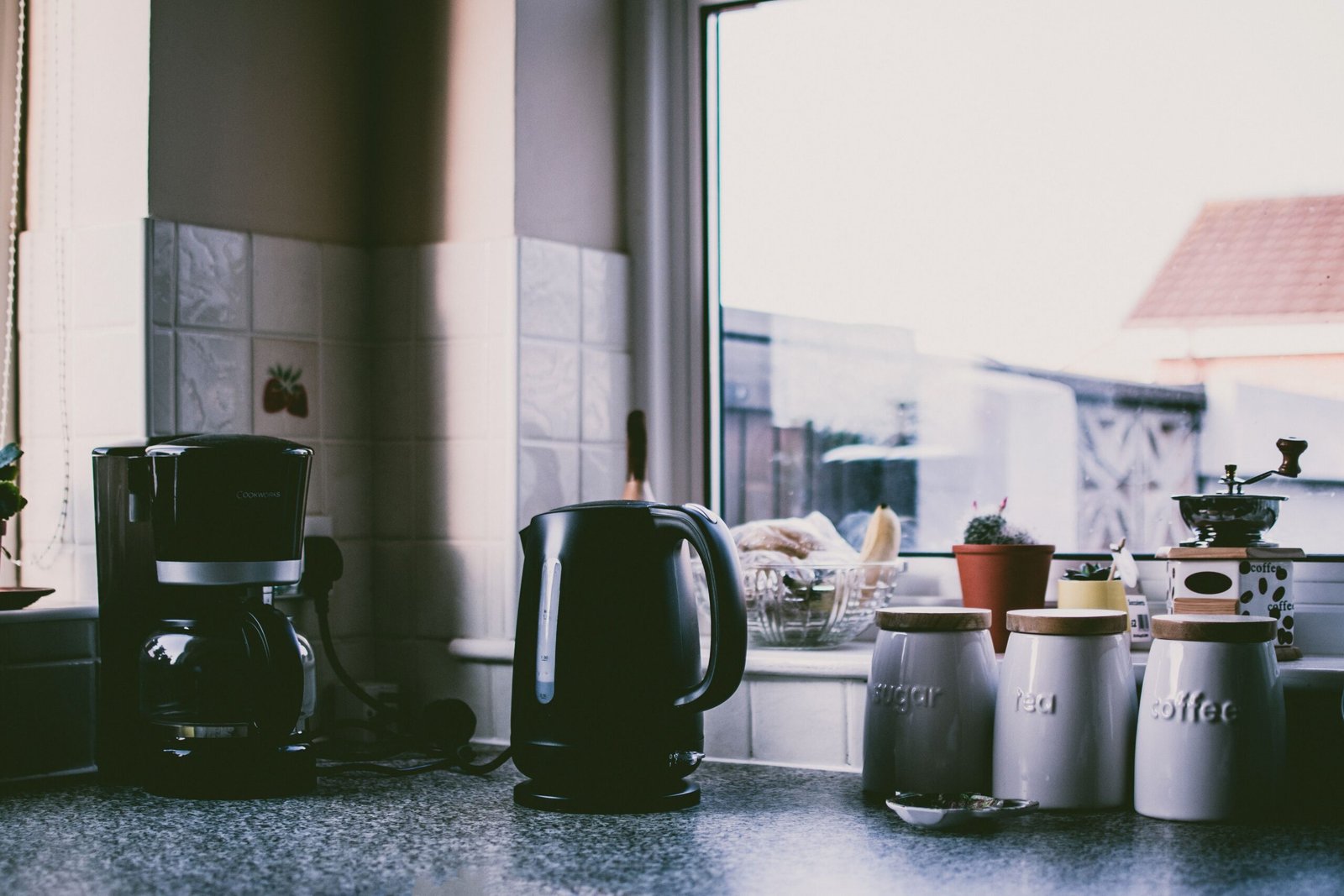
If mornings feel rushed, group cereals, bowls, and other essentials where they can be reached together. The right placement depends on who uses the kitchen; keep sharp or hot items away from children.
17. Schedule a ten-minute weekly reset
Choose one repeatable task: wipe the most-used shelf, check leftovers, or reset the snack bin. Small regular maintenance is usually more sustainable than a major reorganizing session every few months.
Where to begin
Start with the zone that frustrates you most. Empty it, remove what does not belong, return the essentials, and only then decide whether a bin or divider would genuinely help.