
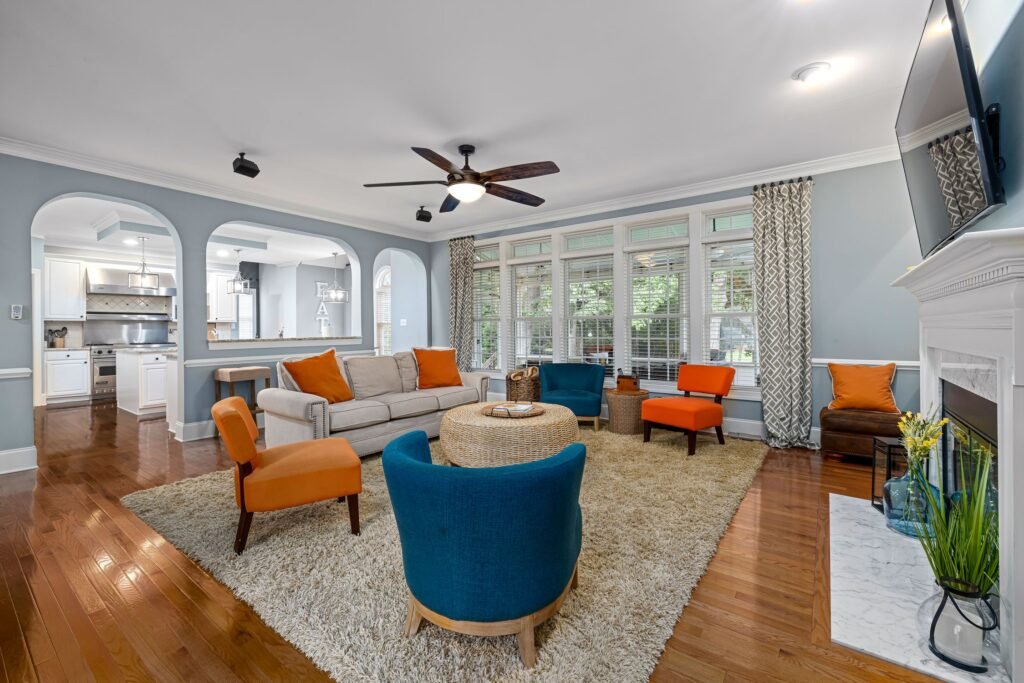
A finished room does not have to be filled with new furniture. Often, it is the small details that make the pieces you own feel connected. A better lamp position, a clear table, or a well-sized picture can change how the room looks and works. These budget living room ideas focus on choices you can test before spending much. Each one shows a clear scene and explains where to begin. There are no fixed prices or promises of a luxury result. Use your own space as the guide, keep comfort in mind, and change one part at a time.
1. A Clear Coffee Table with One Tray
Gather the small items on your coffee table onto one tray. Keep the rest of the surface open for drinks and everyday use. A short stack of books or one small bowl can be enough inside the tray.
Start with a tray you already have, if it suits the surface. Check that it does not wobble or take up most of the table. Do not add extra objects just to make the tray look full. The useful change is the clear space around it. Put items that belong elsewhere away instead of treating the tray as permanent storage for everything.

2. A Sofa with Two Well-Chosen Cushion Colors
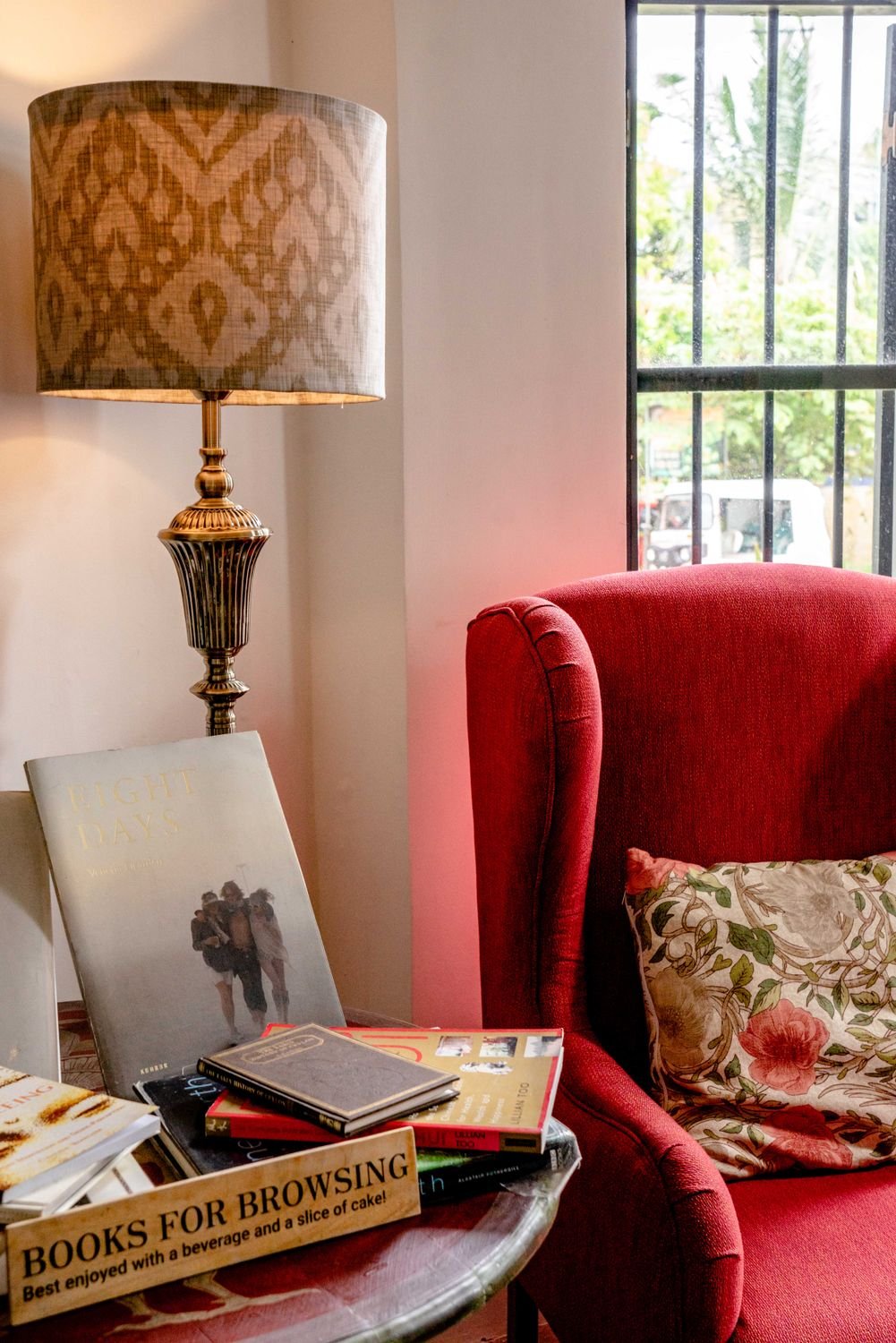
Choose two cushion colors that work with the sofa and repeat them in a small way. One could link to the rug and the other to a picture. Keep the mix simple rather than buying a full set of new patterns.
Try covers from other rooms before shopping. Check that the cushions remain comfortable when someone sits down. Too many extras can make a large sofa feel cramped. You can keep spare covers in a drawer and change the look later. A clear color plan often helps more than adding another layer of decor.
3. A Reading Chair with a Lamp at Its Side
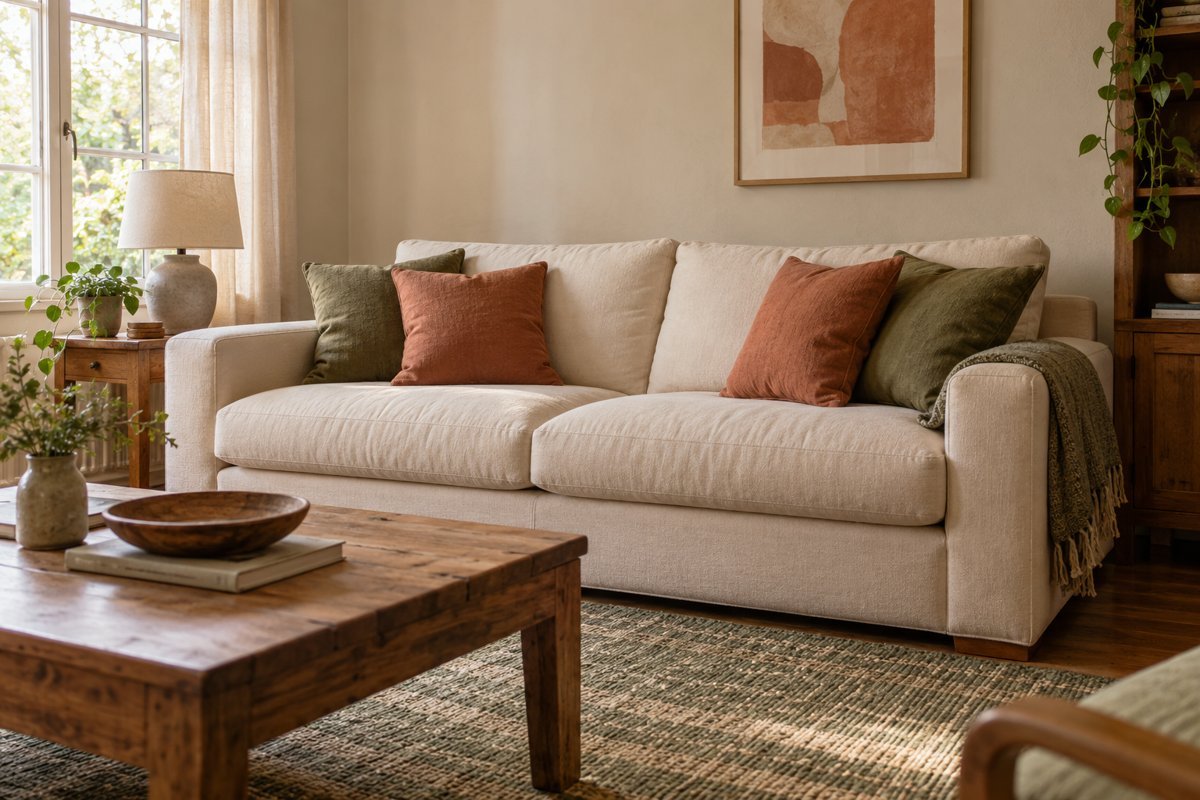
Move a useful lamp beside a chair so the corner has a clear purpose. A small table for a book and drink can finish the group. Keep the lamp base stable and the shade out of the way.
Test the light while sitting normally. It should reach the page without shining straight into your eyes. Use an existing lamp first and check whether a new position solves the problem. Keep the cord clear of the walkway. A corner that works well for reading can feel more finished even without any new decorative pieces.
4. A Large Print Above a Small Group of Furniture
One well-placed picture can bring a small cabinet, chair, or side table together. Choose a print you like and test its size with paper before hanging. Leave enough bare wall for the picture to stand out.
Use a piece you own or have permission to print. Check the frame and suitable fixings rather than judging by appearance alone. A picture that is too small may look lost, but several tiny pieces are not always the answer. Try moving an existing larger frame from another room before deciding what the wall needs.

5. A Neat Curtain Pair Framing a Window
Arrange an existing curtain pair so the window looks clear and balanced. Straighten the folds and check that both sides hang as intended. A plain curtain can look settled without extra ties or decorative layers.
Follow the fabric’s care label before washing or pressing it. Check the track, pole, and fixings if anything seems loose. Keep curtains away from heat sources and ensure windows remain usable. If you rent, ask before changing fittings. Start by improving the way the curtains you own hang; the problem may be the arrangement rather than the fabric.

6. A Bookcase with Open Space Between Groups
Take a few items off the bookcase and make clear groups of books and objects. Leave some empty space rather than filling every shelf edge. Repeat one finish, such as wood or white ceramic, in a few places.
Keep the books easy to take out and return. Put heavy pieces where the furniture guidance allows, and follow anchoring instructions. A styled shelf should not become less stable or useful. Store the objects you remove carefully and see whether you miss them. You can bring one back later without returning to the crowded layout.

7. A Plain Sofa Beside a Warm Wood Table
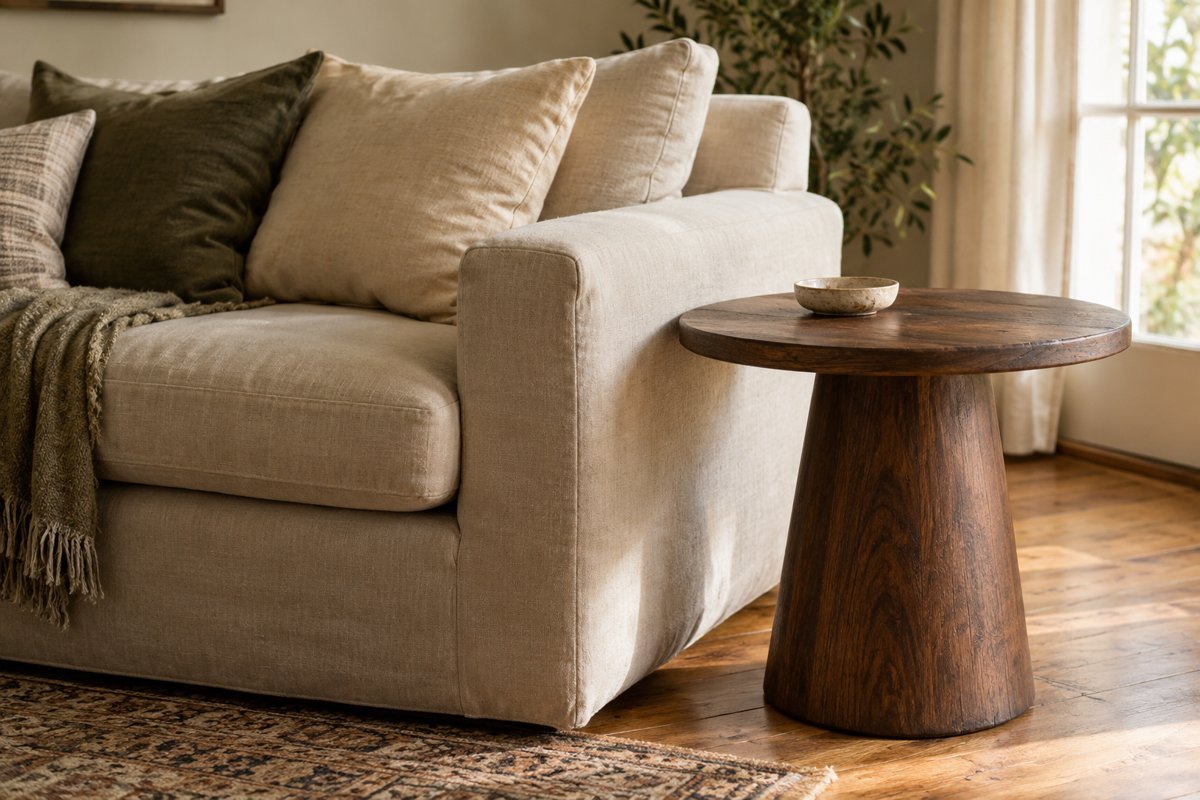
Pair a simple sofa with a wood side table and leave the top mostly clear. The contrast between fabric and wood can give the corner enough interest on its own. A useful lamp or small dish may be all it needs.
Check the height from the seat so the table is easy to reach. An inherited or secondhand piece can work if it is sound and suited to the space. Avoid buying a table solely because the finish matches. A useful shape and stable base matter more than an exact wood-color match.
8. A Rug That Connects the Seating Group
Use a rug to bring the sofa and chairs into one clear area. Check the furniture arrangement and measure before buying. A rug that relates to the group can look more settled than a small mat floating between the seats.
Try marking the size on the floor first. Leave doors clear and deal with edges that could catch a foot. Follow the rug and pad instructions for your floor type. If your current rug is too small for the main group, it may work beside a chair elsewhere. Reusing it in a better place can save an unnecessary replacement.

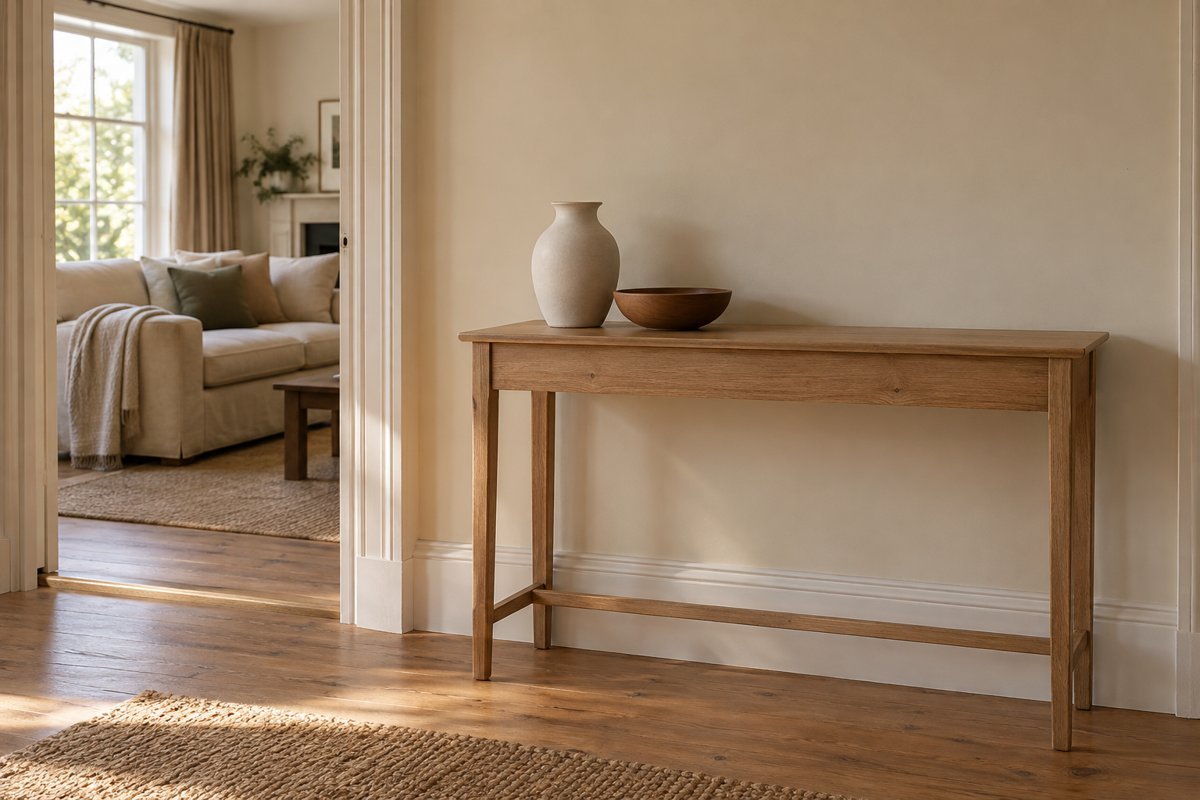
9. A Small Console Display with One Vase
Choose one vase for a console, with a low bowl or a short stack of books beside it. Keep enough surface free for the way you use the furniture. The vase does not need flowers to show its shape.
Try the display from the doorway. If several objects blend together, remove one and check again. Choose a stable piece and keep fragile items away from busy edges. You can move a vase from a bedroom or shelf rather than buy another. A simple arrangement can give an old object a more useful role.
10. A Living Room with a Clear Main Walkway
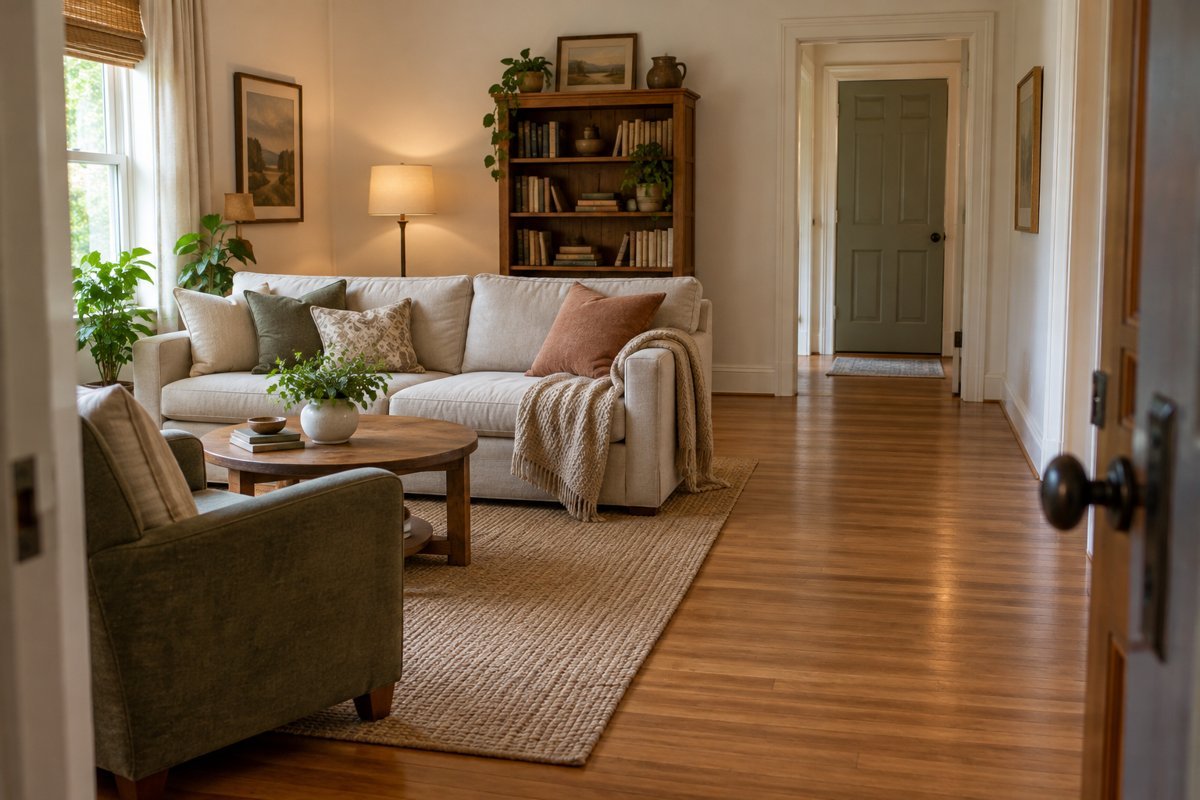
Move small stools, baskets, and side tables out of the route people use most. Keep the main path obvious from the doorway. The seating group can stay cozy without spilling into every open gap.
Walk through carrying a laundry basket or tray to test the change. Open nearby doors and drawers as well. Store the items you remove only if you still use them elsewhere. Do not create a second cluttered corner to improve the first. A room often feels more finished when its layout is easier to understand and use.
Spend on the Problem You Actually Have
Make a short list of what feels unfinished before buying anything. Be specific. A dark chair corner needs useful light, while a wall that feels bare may need one well-sized picture. A pile of remotes needs a storage spot, not a new sofa.
Try a free change first. Move a lamp, clear a table, swap cushion covers, or group books differently. Use the room for a few days and notice what still bothers you. This gives you a clearer reason for a purchase if you decide one is needed.
For secondhand finds, check condition as well as style. Look at stability, damage, and whether the piece suits its intended use. Allow for the work and cost of repairs rather than assuming a cheap item will stay cheap. Do not take on electrical repairs or other work beyond your skills.
Finish one small area before starting another. A chair with a lamp and a useful table is a complete task. Once that corner works, move to the next. You do not need every surface to match or every wall to be full. A comfortable room with clear uses can feel finished long before it looks like a staged photograph.